Alpine Immersion
The benefits of swimming in cold water.
It’s a particularly warm morning, but you’ve already committed: you and a few friends are going for a hike. You hit the trail, loaded up with everything needed for a picnic at the end. The incline is steady, and as the sun climbs higher, you begin to sweat. Your pack feels heavier with every step, but you keep going—anxiously anticipating what’s waiting at the top.
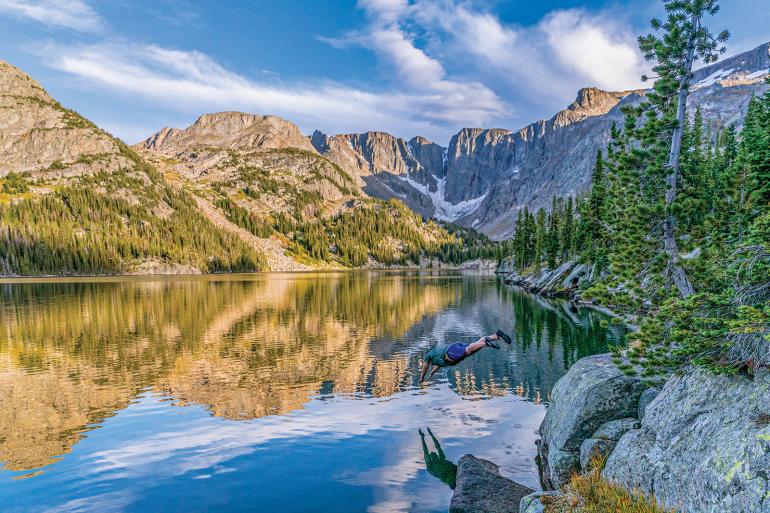
When you finally arrive, the lake appears like something out of a painting. The glistening turquoise basin is perfectly still, tucked beneath jagged peaks and patches of lingering snow. It looks as refreshing as the cold beer you packed for this exact moment. For a second, you hesitate. Then you decide: jump first, beer second.
The cold hits instantly, and it’s shocking at first. Your breath quickens, your body tenses—but within moments, something shifts. You steady your breathing, swim back to shore, and climb out feeling reborn.
As the sun warms your body, you realize that the sluggishness you felt on the way up has disappeared. Maybe there is something to this cold-plunge trend after all, you admit.
Luckily, one of your friends is a frequent bro-cast listener—and is happy to fill you in on the numerous benefits of “cold water immersion.”
Most people report a noticeable boost in mood after a plunge, thanks to the release of endorphins and perhaps a sense of accomplishment.
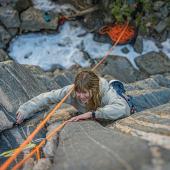
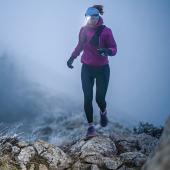
Ice baths have long been used by athletes to reduce inflammation and speed up muscle recovery. This is because cold water helps flush metabolic waste, like lactic acid, from muscles. Alpine lakes, often fed by snowmelt, offer a natural version of this same therapy. So, for hikers, bikers, climbers, runners, and others who enjoy pushing themselves outdoors, jumping in is a rewarding way to recover.
Cold plunging also supports circulation. When you enter cold water, your blood vessels constrict to focus on keeping your core and vital organs warm. Once you’re out, those vessels dilate, returning bloodflow throughout the entire body. It’s believed that over time, this process improves cardiovascular function and helps your body regulate temperate more efficiently. Some research also suggests that regular cold exposure may strengthen the immune system by increasing white-blood-cell production.
But the benefits go beyond physical effects. While cold, dark months can take a toll on mood, brief and controlled exposure to cold water has been linked to improved mental wellbeing. Most people report a noticeable boost in mood after a plunge, thanks to the release of endorphins and perhaps a sense of accomplishment. Exercising “mental toughness” and learning to stay calm and control your breathing may also benefit you in training for other activities.
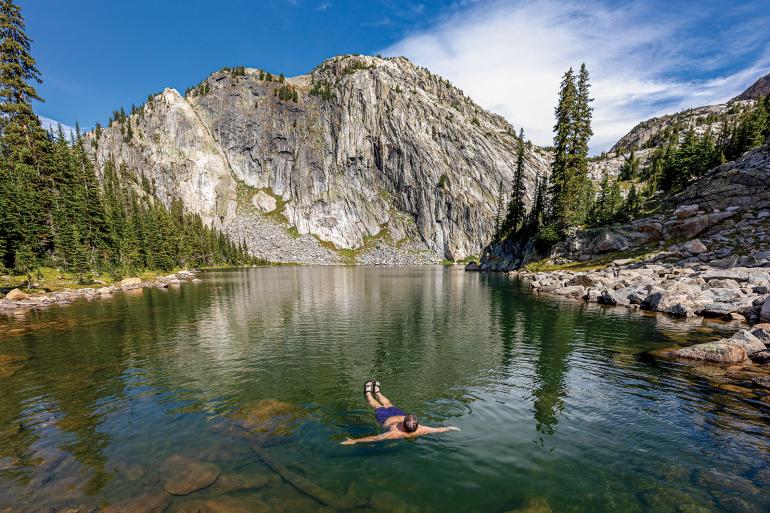
But before you test your limits, there are a few things to keep in mind. Because alpine lakes are extremely cold, prolonged exposure can lead to hypothermia. It’s best to keep plunges short, especially if you’re new to them. Always pay attention to how your body feels. Cold water can cause muscle cramping, so it’s best to have a buddy nearby in case you need help.
Preparation matters, too. Bring a towel and extra layers to warm up afterward. Even on a hot day, mountain temps can shift quickly, and being able to dry off and retain heat could be essential.
Southwest Montana has numerous alpine lakes worth exploring—but start by choosing your destinations carefully. Plan hikes that match your fitness level, and time your day so that you reach the lake when it’s warm enough to comfortably get in, dry off, and hike back down.
Eventually, you’ll grow accustomed to the cold and learn to master your breathing. From there you can pause, admire the landscape, and savor every icy, unforgettable second of summer in the mountains.