Morel Compass
A beginner’s guide to foraging morel mushrooms.
In the last decade that I’ve spent in the Rocky Mountains, I’ve come to love spring—the feeling of laying in wet musky grass surrounded by wildflowers, the tacky texture of freshly thawed trails. But what to do on those warm, rainy days when I can neither ski corn nor frolic in the sun?
I didn’t grow up wandering the woods as I do now. I didn’t know how to forage, and I didn’t use every feasible part of an animal. But now, in adulthood, I am learning to do both.
Mushroom hunting has become my solution for drizzly spring days, and a new obsession. I’d heard of people going to burned-out hillsides or the islands on local rivers to gather morels by the bucket-load. So I did some research and gave it a go. Here’s what I’ve learned.
Timing
Morels don’t typically pop up in the low-lying regions in our area until Mother’s Day, but nature cares not for our arbitrary dates. We must watch the weather. After a few rains above 50 degrees, start to plan for success and carry a large bag.
Location
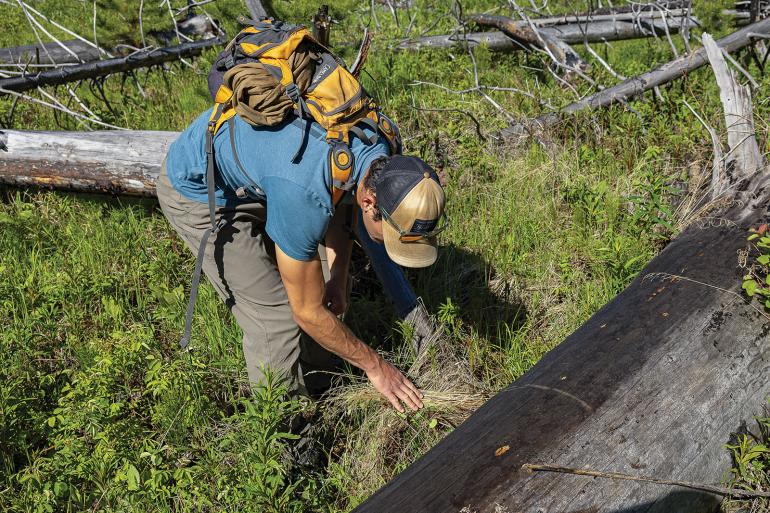
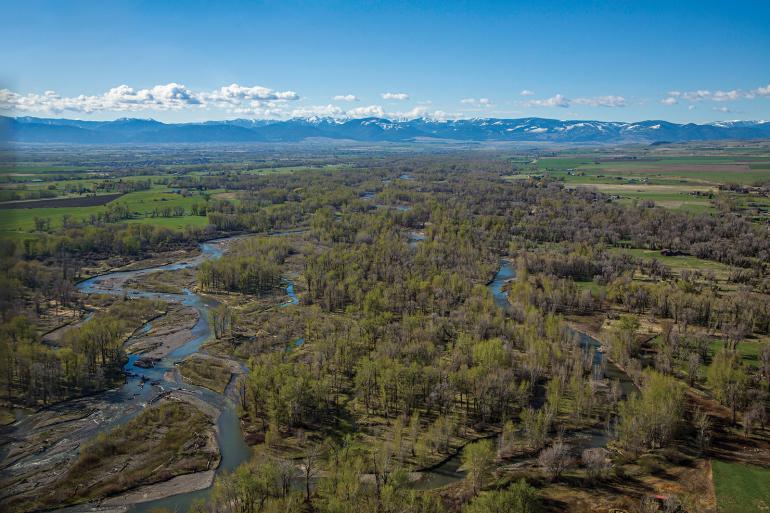
I morel-hunt in riparian zones that have a mix of live cottonwoods, standing dead trees, and deadfall. Learn to identify cottonwood trees in the spring, long before the fluffy blooms they’re known for. The telltale red buds are an early-season giveaway.
Start scouting before the peak of the season. Even on my early outings, when the weather hasn’t been quite right, I’ve managed to stumble into a few morels.
Gear
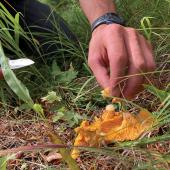
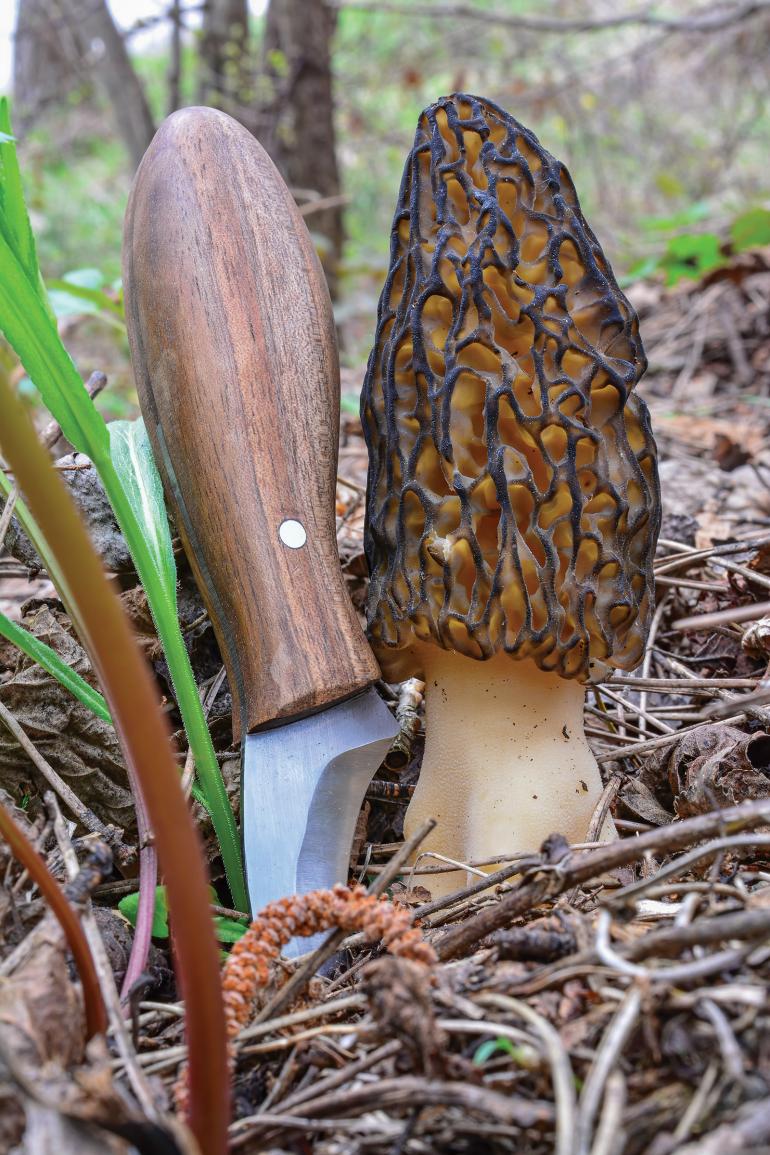
It’s spring in the mountains, so plan accordingly. My only recommended piece of equipment is a large, closeable mesh bag for carrying mushrooms. Although, a sharp knife helps cut the morel clean, versus plucking it from the ground and potentially harming the mycelium below.
Safety
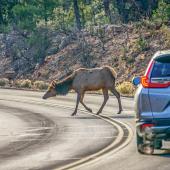
Aside from exposure, drowning, falls, and twisted knees, there are many animals hungrier than you wandering the woods. Don’t let them detour you. All my encounters have been benign. But, be prepared.
Identification
Do your research, and if possible, go with someone who has proven experience. Morels are not exceedingly difficult to identify, though, so don’t be too nervous.
Preparation & Storage
First, I cut my morels in half lengthwise, then I clean them in a bucket of cold water. I either enjoy them fresh, dry them on a miniature clothesline, or parboil and then freeze them on parchment paper.
Research Material
The internet is full of handy tips, all of which say roughly the same thing: go out and try it for yourself. However, I recommend reading Foraging the Mountain West, which contains a couple of pages on the subject, and always keep handy the field edition of Mushrooms Demystified. With some luck and many miles afoot, perhaps you, too, will find a new obsession.