Hang in There
Taking it slow this spring.
Spring in Bozeman arrives quietly at first, and then all at once. The snowpack rots from the ground up, the sidewalks dry into grit, and people who’ve paced the house all winter decide it’s time. Not time for epic objectives or clean alpine lines, but time to move again. Shoulder season is when injuries spike, not in a dramatic helicopter fashion, but in small, annoying ways that can derail the summer before it begins.
It starts with preparation. A hike that begins at low elevation in the sunshine ends near the summit, thigh-deep in isothermal snow. Winter gear that felt unnecessary at the trailhead becomes essential a mile later when you’re post-holing and cold water is seeping into your shoes. Nothing catastrophic happens, but a knee twists wrong, a hip flexor strains, or you fall hard enough to bruise your confidence. Spring’s deception is that it looks forgiving.
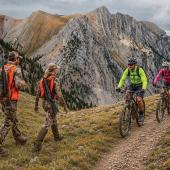
Accept that the first ride, climb, or run of the year is a reintroduction, not a performance.
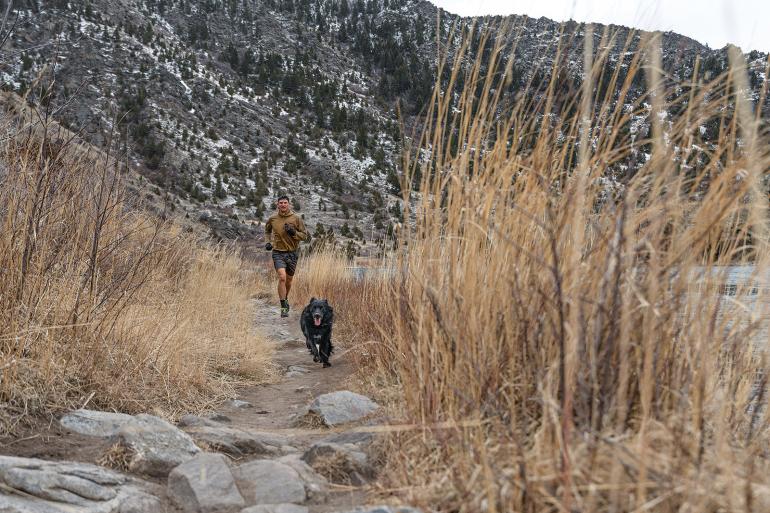
Trail runners feel it too. The urge to stack early mileage is strong after months on treadmills or skis, but half-frozen ground doesn’t absorb impact the way dirt does. Tendons and calves take the hit, and by May, many runners are nursing Achilles flare-ups or stubborn tendonitis, confused about how fitness could feel so fragile.
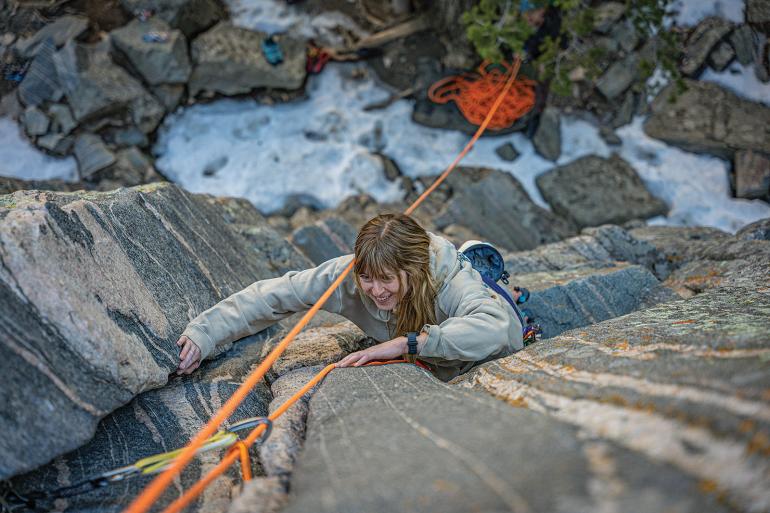
Climbers emerge from a winter of gym training with swollen forearms and inflated confidence. After all, if you’ve been sending 5.11 inside, the same number should feel casual outside, right? The first real day on rock says otherwise. Feet skate, draws feel far away, and suddenly there’s a big whipper, ten feet of freefall, and a sharp reminder that plastic doesn’t hit back like granite does.
Then there are the dog walkers. As the snow melts, several months’ worth of frozen poop reappears, dotting trails like some cruel archaeological scat record. But the show must go on. Dogs run hard on icy sidehills, owners slip while laughing, and suddenly someone’s on the ground wondering how a casual walk turned into a sprained wrist.
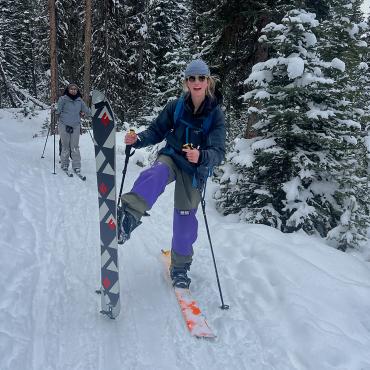
Skiers face their own existential reckoning. Letting go of winter is hard, especially when the high peaks are still glowing in white. Chasing those last turns often means refrozen crust, sun cups, and variable snow that punishes tired legs. Crashes come fast, and “just one more lap” ends with tomahawking down a hard-earned line. Spring skiing humbles even the faithful.
And then there’s yardwork, the most underestimated culprit of all. After months of snow shoveling, the first warm weekend sends people lunging for rakes, chainsaws, and fencepost drivers. Muscles that haven’t twisted or lifted uneven weight since October are suddenly asked to do so for hours. The result is slipped discs, pulled shoulders, and the special misery of a back that goes out while hauling winter’s debris to the curb. No one wants to admit they hurt themselves loading mulch or pulling weeds, but physical therapy clinics are full of exactly those injuries. Spring productivity has a price.
So what’s the alternative? It’s not staying inside. It’s starting slower. Choosing routes and objectives that leave room for mistakes. Strength training that includes rotation and balance, not just endurance. Letting dogs run, but maybe not on icy sidehills. Accepting that the first ride, climb, or run of the year is a reintroduction, not a performance.
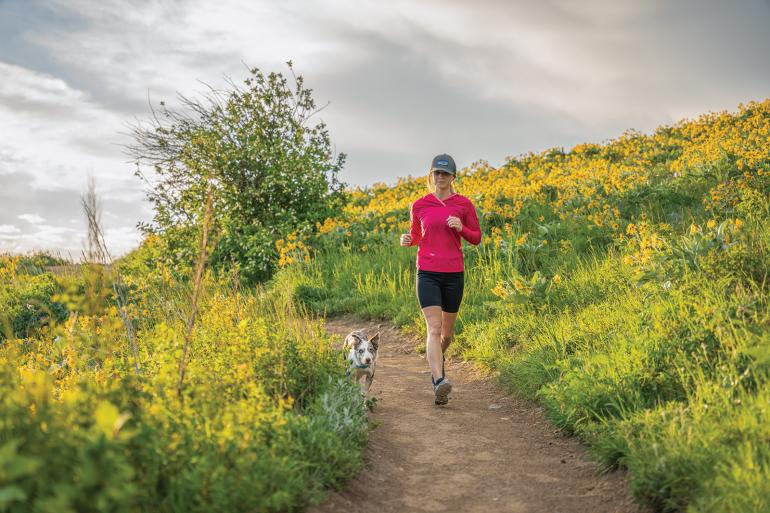
Spring will always test impatience. It rewards those who notice subtle warnings: aching tendons, changing snow texture, the way light lies about temperature. These signals aren’t obstacles but instructions. Listen closely and the season offers movement and freedom. Miss the signs, however, and it could be lost to long days on the couch with ice-packs on every joint.
In a place like Bozeman, where movement is a form of identity, it’s tempting to treat spring like a starting gun. But shoulder season asks for something different: attention. The injuries it brings are small enough to ignore and common enough to normalize, yet disruptive enough to derail the entire season. Paying respect to spring, its half-frozen ground, and its deceptive warmth isn’t about fear. It’s about longevity. Because the real goal isn’t just to get back outside. It’s to stay there.