Op-Ed: Access Success
Collaboration over conflict on the Dearborn River.
In Montana, we are fortunate to have incredible access to our world-class waterways. This hard-fought public access is the result of decades of conflict, compromise and old-fashioned Montana values. In addition to having some of the best stream access laws in the West, Montana is exponentially privileged that thousands of landowners across the state allow public access for hunting and fishing. A huge thanks to the countless Montana families that have established generational public access on or across private lands because they believe it’s the right thing to do. In a rapidly changing state, it’s more important now than ever before to give credit and thanks to Montana’s unsung access champions.
A recent stream access debacle on the Dearborn has resulted in conflicting narratives about stream access and pitted an access amenable family against armchair commenters online. As this issue has spiraled, we are hoping to help set the record straight. Our nonprofit organization (PLWA) has been protecting and defending access to Montana’s public lands and waters for over 40 years. Several of PLWA’s instigators helped craft and shepherd Montana’s stream access laws, and we work collaboratively to resolve stream access issues every year.
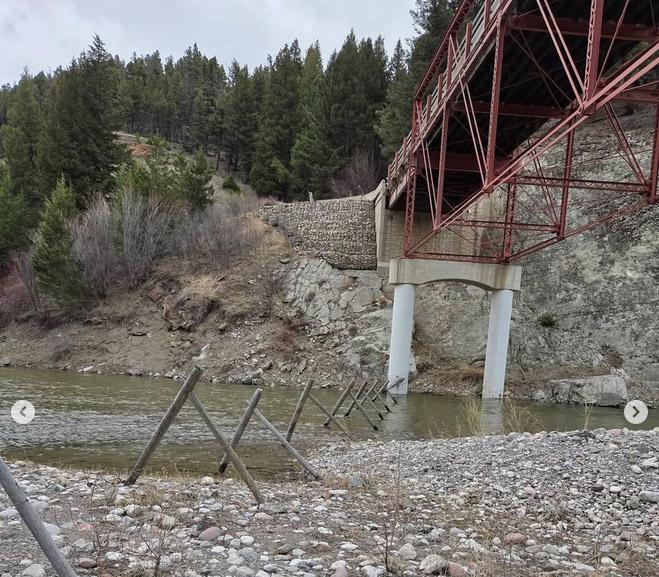
After encountering a recently installed fence across the Dearborn River below a bridge along Highway 435 earlier this month, a floater used social media to alert the public to the obstruction. As the tenor escalated online, the reality of the situation became equally distorted. Historically, a float gate existed under the bridge crossing, designed to contain livestock while also allowing watercraft and recreationists to pass through. However, during periods of low water, which the Dearborn is prone to, such designs can become ineffective for livestock control. The multigenerational Montana landowners abutting the bridge lease some of their ground. The lessee determined a new fence was needed and installed a new jackleg-style barbed-wire fence in mid 2025 to manage livestock, not restrict public access.
To their credit, MT Fish, Wildlife & Parks (FWP) leadership responded to the situation promptly after being notified. The local game warden visited with the landowners and worked with them to install a temporary access-friendly solution within days. PLWA and the landowners are now working together to construct a permanent fencing solution later this summer that respects public and private property rights.
After 40 years on the books, and several deep pocketed challenges, Montana’s stream access laws remain robust and respected. Over those same four decades, we’ve seen a massive turnover in landowner incentives and demographics across this state. To maintain and defend the public access landscape that we have built collectively will require compromise, collaboration and communication. Let’s lower the tenor and work together to maintain what makes Montana, Montana.
Alex Leone
Executive Director, Public Land & Water Access Association