Beat the Freeze

Tips for backcountry overnighters.
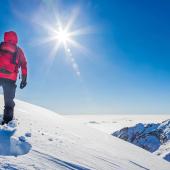
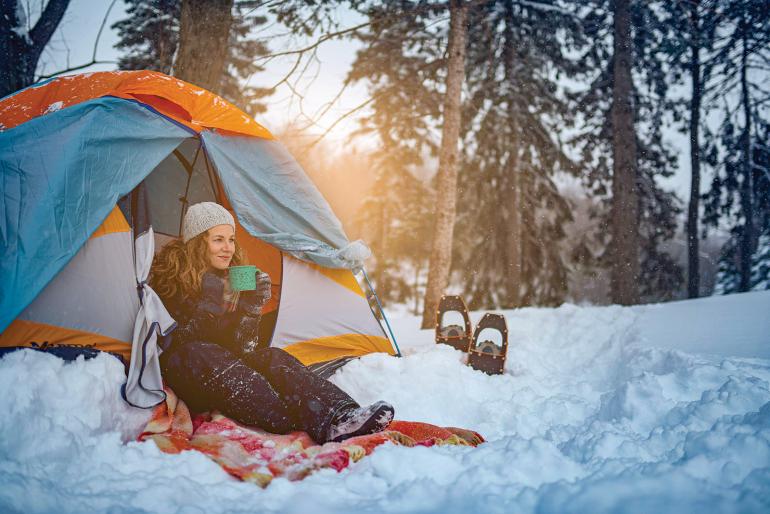
For most folks, camping season ends with the arrival of the first snow. But around here, winter doesn’t have to mean putting the tent away. With the right gear and a little ingenuity, winter camping offers quiet forests, crisp mornings, and snow-covered views without another tent in sight. It’s not for everyone, but for the brave few, here are some tricks of the trade.
Stay Warm & Dry
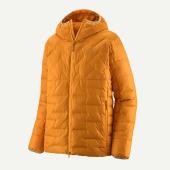
Layer so you can move from cool to warm throughout the day without getting hot enough to soak your clothes. Keep a predictable system: a base layer, a light mid-layer, and a warmer outer layer that you can add or shed before you start sweating. Once moisture gets into your coat, tent, or sleeping bag, you’re toast.
Speaking of sleeping bags, that 30-degree bag you use in July probably isn’t going to cut it. Choose one rated comfortably below the temperatures you expect, and don’t overlook what’s underneath you. In winter, a layer below you is worth two on top. A good, insulated sleeping pad, or even two pads stacked together, keeps the frozen ground from pulling heat out of you all night.
Get Creative with Camp
Pack down your tent site with skis or snowshoes before setting up. Flat is fortunate in winter. Tent stakes can become nearly useless in deep snow, so creativity counts. I’ve used halved Wiffle balls tied to paracord and buried in packed snow. Plastic plates, scraps of cutting board, or anything broad and lightweight can work the same way. The idea is simple: give the snow something to grab onto.
Cook Comfort Food
It’s the centerpiece of a camp trip, and hot meals play especially well into cold weather. Chili, stew, ramen, soup, instant mashed potatoes, oatmeal—anything hearty, that you can heat in one pot, is hard to beat. Just don’t cook inside your tent. Between the fire risk, carbon monoxide, and all the moisture cooking produces, it’s not worth the temptation. Dig yourself a kitchen in the snow and fire up the stove. Where fires are legal and conditions allow, a small fire away from camp can make a long winter evening cozy.
Finally, embrace the little tricks. Put tomorrow’s clothes in your sleeping bag so you aren’t pulling on frozen pants in the morning. Keep your boot liners warm. Bring more stove fuel than you think you’ll need. Before bed, fill a bottle with hot water and toss it down by your feet.
Winter camping takes a little more work. But do it right, and you’ll wake up somewhere silent, snowy, and spectacular, while everyone else is waiting for June.