Ice-Cold Campin'
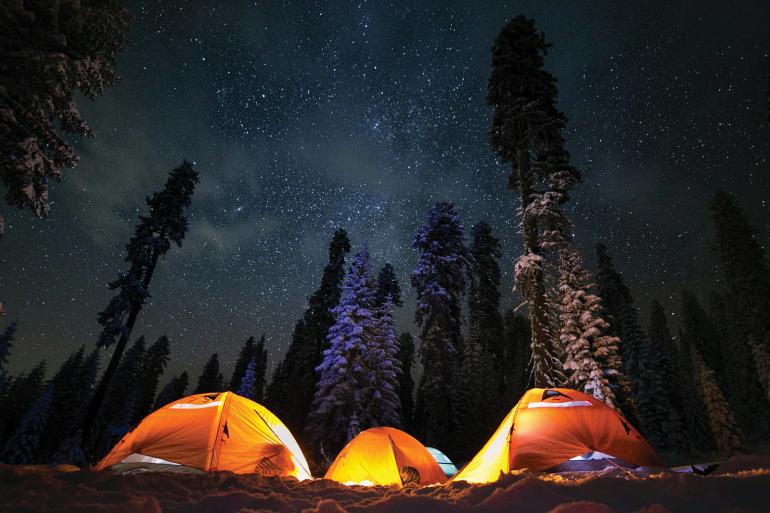
Staying warm in the cold.
“Winter changes into stone the water of heaven and the heart of man.” —Victor Hugo
When the first snow falls, many of us shelve the camping gear and retreat indoors until spring. The thought of crawling into a frozen sleeping bag, fiddling with stove fuel with numb hands, or trudging to the “bathroom” through knee-deep snow is enough to scare off even the diehards. But what if the outdoor festivities didn’t have to end just because the weather is changing?
Winter Car Camping
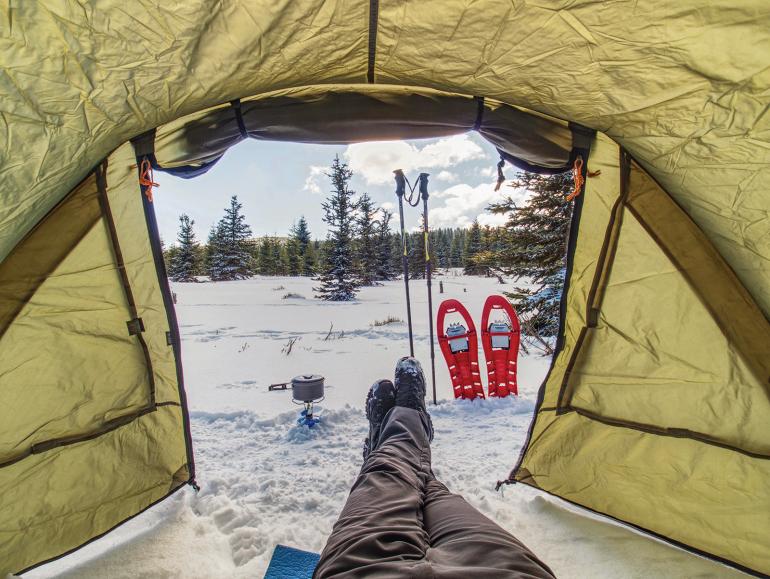
You don’t need to be an alpine expert to enjoy winter camping. You just need to be proactive enough to pack a few extra layers. Car camping is a solid place to start when venturing out in the winter. You have quick access to gear, a sturdy vehicle for warmth or emergency backup, and easier routes in and out. Many public lands and national forest roads remain accessible through late fall and early winter—and some plowed areas even allow year-round vehicle access.
Where to Go
• Hyalite Canyon — Plowed to the reservoir in winter; multiple pull-offs and dispersed camping areas.
• Gallatin Canyon — Scenic, with proximity to the river and good sun exposure.
• Lower Madison (Bear Trap Canyon) — Often less snow, with wide-open sites along the river.
• Paradise Valley (Mill Creek, Suce Creek) — Lower elevations with forested campsites and mountain views.
*Before heading out, check road closures and conditions. Bring a snow shovel to dig out parking spots and avoid soft shoulders or unplowed side-roads.
Dos & Don’ts
DO:
• Bring more insulation than you think you’ll need—especially for under your sleeping bag.
• Use your car as a backup shelter, not your primary heat source.
• Eat hearty, high-fat meals to help your body stay warm overnight.
• Keep electronics and water bottles inside your sleeping bag to prevent freezing.
• Pack a reliable light source and extra batteries.
• Test your stove and gear before you head out.
DON’T:
• Rely on propane canisters alone—they underperform in cold temps.
• Sleep in cotton—it holds moisture and sucks heat.
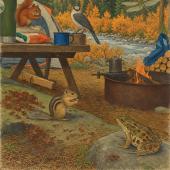
• Leave food or trash out—critters are still very active.
• Forget to check the weather (and road closures) before you leave town.
• Underestimate how cold it can get, even at low elevation.
• Camp too close to plowed roads—you could get plowed in.
Gear Recommendations
Sleep Setup
• Sleeping bag — Bring one rated at least 0°F. Note that when damp, synthetic-fill stays warmer than goose down.
• Insulated sleeping pad — Use one rated for winter or double up (foam pad & inflatable).
• Wool blanket or quilt — Toss over your bag for extra warmth.
• Tent-safe heater (optional, with caution) — Small propane heaters like the Mr. Buddy can work in well-ventilated spaces, but always follow safety guidelines.
Camp Kitchen
• Liquid-fuel stove (like white gas or isobutane mix with a cold-weather regulator) — Works better in the cold than propane.
• Metal pot & windscreen — Melting snow takes time. Boil water in batches and store it in insulated bottles.
• Cooler (yes, even in winter) — It keeps water from freezing overnight and food away from wildlife.
Clothing
• Merino or synthetic base layers—avoid cotton.
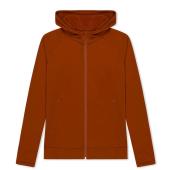
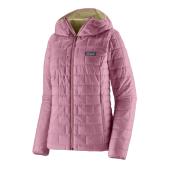
• Insulated puffy jacket & waterproof shell.
• Warm hat, mittens, dry socks, insulated boots (hand- and foot-warmers come in handy here as well).
Extras
• Headlamp & extra batteries (cold drains power fast).
• Folding shovel (for snow management or bathroom needs).
• Hot water bottle (Nalgene-in-a-sock trick—make sure it’s closed tight!).
• Camp chairs with foam padding or closed-cell sit pads.
Winter camping might mean frozen boots or a stubborn stove—but it also means unplugging from screens, replacing them with crisp air and the kind of quiet you just can’t get in July. Don’t wait for summer. Montana’s still open—and your campsite’s probably wide-open, too.