Cowboys & Aliens
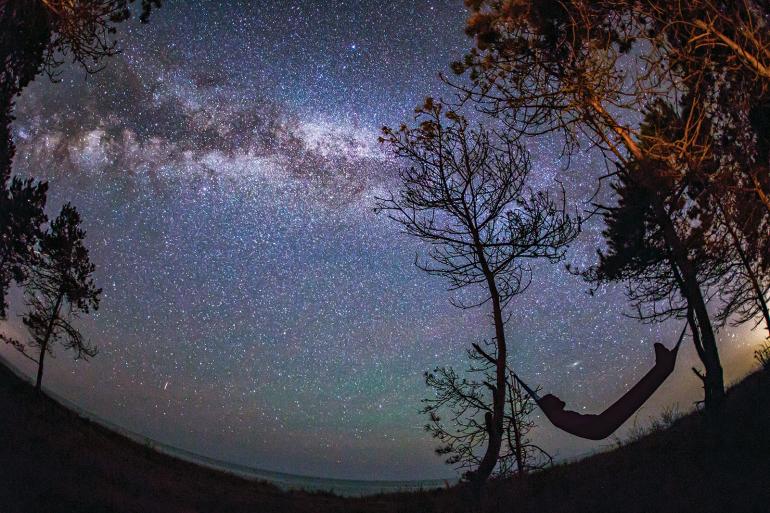
Sleeping under the night sky.
For my part I know nothing with any certainty, but the sight of the stars makes me want to dream. —Vincent Van Gogh
Cowboy camping gives a whole new meaning to sleeping outside. No nylon walls, no zippers, no barriers. Temperature drops feel sharper, sounds carry farther, and even a light breeze catches your attention. On clear nights, the stars burn bright above, letting the imagination soar. It’s a more direct experience of the outdoors, one that trades the false security of tent walls for the raw elements of nature. On some occasions, you may find yourself shivering through biting winds, waking to headlights shining in your eyes, or struggling to reach true REM sleep through the rustling and cracking of branches. But c’mon, Montana can’t ever let you get too comfortable. And the stars! Stare up into the night sky just once, let your eyes peruse the heavens as you drift off, and you’ll never want to blind yourself in a tent again. Here are a few tips to get you started.
Sleep Systems
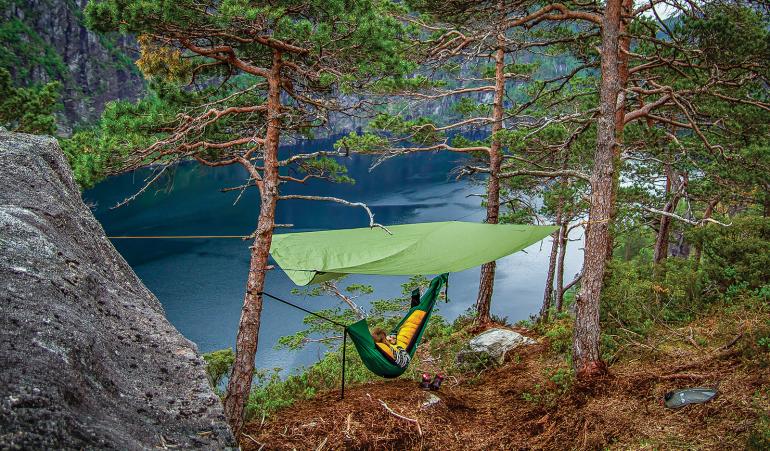
- Hammock: Ideal in forested areas. Gets you off uneven ground and away from crawling things, but requires trees. Make sure you have a good rainfly setup and insulation to put under you.
- Bedroll: Heavy-duty, waterproof canvas or Cordura, designed to accommodate a sleeping bag, pillow, and a mattress pad. It’s simple, durable, and works best in dry, predictable weather.
- Bivy Sack: Think of it as a lightweight waterproof shell for your sleeping bag: low profile, weather-resistant, and just enough protection from dew or a surprise shower.
- Ground Setup: Toss your sleeping pad & bag on the ground, and there you have it. Putting a tarp underneath is helpful with bugs, dirt, sharp objects, and in case of sudden rainfall.
General Considerations
- Weather: Clear skies at dusk don’t guarantee a dry night. Have a plan if the weather shifts: a tarp, nearby tree or cave, or if you’re car camping, some space in the vehicle.
- Critters: From mice to bears, this is their home, too. Store food properly, keep a clean camp, and don’t sleep where you cook. Most animals want nothing to do with you. Give them no reason to change their minds. Keep your bear spray and headlamp nearby.
- Dew: Even on clear nights, condensation can soak you and your gear by morning. A bivy or water-resistant shell goes a long way. Or at least some dry clothes for the morning.
- Wind: It cuts warmth, rattles gear, and finds its way into every gap. Look for natural windbreaks: bushes, a dense section of trees, boulders, or the lee side of a hill.
- Ground: Flat is good. Dry is better. Avoid low spots where cold air and moisture settle. A few extra minutes scouting can save you a long, damp night.
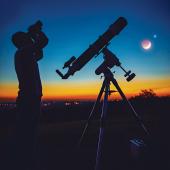
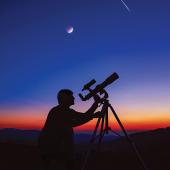
Stargazing
- The Milky Way: Visible best from dark areas.
- Ursa Major, Minor (Big & Little Dipper); Orion’s Belt. Classics we’re used to seeing in this part of the world. Expand your horizons by using these as a baseline to find neighboring constellations.
- The Summer Triangle: Lyra (the Harp), Cygnus (the Swan), Aquila (the Eagle). Starts in the eastern sky in June and makes its way overhead in August.
- Planets on Parade: Jupiter and Saturn are usually visible (and brighter than other stars) in the evening, with Mars and Venus visible right after sunset or before sunrise.
- Perseid Meteor Shower: Peaks mid-August, proposedly August 12-13 this year
- Full Moon: You may not be able to see the surrounding constellations as clearly, but you can see nearly everything else. Shut the headlamp off and let your eyes adjust.
Do’s & Don’ts
Do:
- Check the forecast. Then, check it again.
- Bring a light tarp or shell, regardless of weather.
- Ditch the gadgets and let your eyes adjust.
- The ol’ hot-water-bottle trick on a chilly evening (make sure the lid is tight!).
- Scout out the landscape to avoid ant hills, gopher holes, etc.
Don’t:
- Trust the forecast.
- Camp in washes or low spots prone to collecting water.
- Leave food out.
- Assume warm days equal warm nights. Temperatures drop fast.
- Overpack. The whole point is less.