Nature's Holiday

Honoring the winter solstice.
Come December, people tend to fall into two camps: those enchanted by the magic of the holidays—twinkling lights, family gatherings, festive chaos—and those who grit their teeth through cold weather, dark nights, social pressure, and financial strain. As a warm-weather junkie and introvert, I’m typically in the latter camp, secretly annoyed by people who throw themselves into the world of shiny ornaments, colorful cookies, and cheesy Hallmark movies.
That was until I discovered that nature offers its own holiday at this time of year—one that offers meaning and asks nothing of us in return.
The winter solstice, arriving around December 21 in the northern hemisphere, marks the shortest day and longest night of the year—also known as the hopeful turning point where darkness begins to recede and light slowly returns.
Long before Christmas, cultures around the world honored this day with festivals of renewal, fire, and feasting. As early as 3,000 BCE, stones were aligned to capture the solstice sun at what is now the popular tourist destination known as Stonehenge in England. The Mayans and Aztecs built temples to track the rise and fall of the sun for agricultural purposes. Norse and Germanic peoples celebrated Yule, focusing on fire and evergreen life in the dead of winter. In Asia, the Dongzhi and Japanese solstice traditions centered on family, food, and health rituals. Native American tribes welcomed the sun back with the Soyal ceremony, prayers, and dance.
Long before Christmas, cultures around the world honored this day with festivals of renewal, fire, and feasting.
By the 4th century, the Christian churches set December 25 as Christ’s birthday—not because of historical evidence, but because it aligned with existing solstice festivals and therefore made it easier to convert Germanic peoples who valued their beloved traditions. Evergreens, feasts, and gift-giving practices were collected from various cultures and repurposed under a new name. Fast-forward to today: Christmas is a nearly trillion-dollar industry in the U.S. alone. And while meaningful to many, the season can sometimes feel more like a marathon of obligations than a season of celebration.
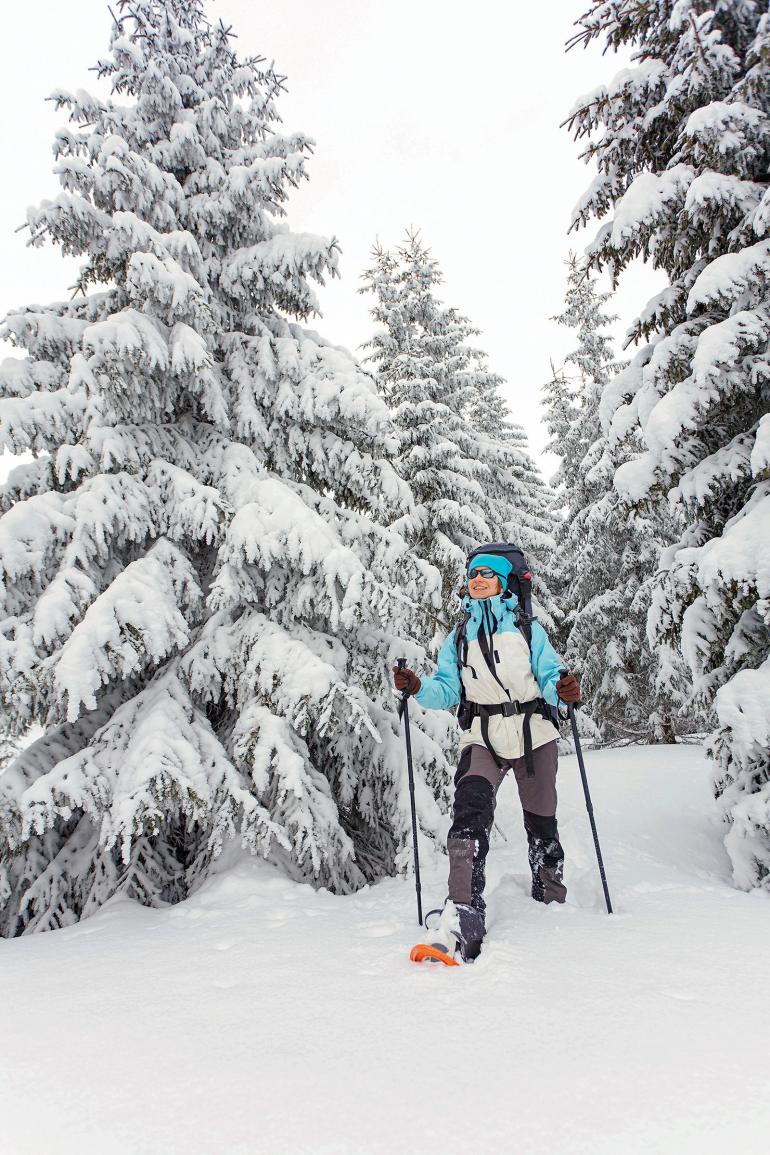
A few years back, I decided to cancel all plans, strap on my snowshoes, and head into the woods on the shortest day of the year. And in the hush of fresh snow, away from artificial lights and chaotic carols, I couldn’t help but feel a connection to my Nordic heritage, something ancient and meaningful.
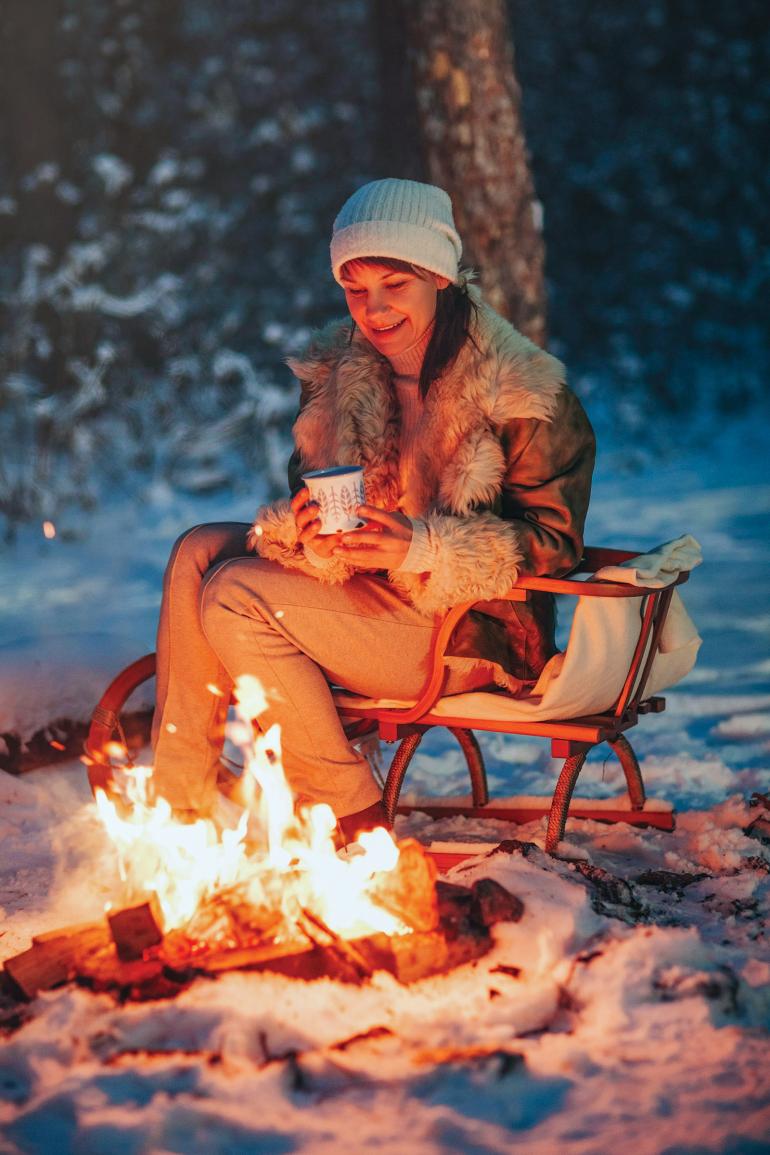
After dark, I started a fire, poured a glass of wine, and researched ways to embrace my newfound favorite holiday. Here are some of my favorite suggestions:
Breathe in Some Green
Often called forest bathing in Scandinavia, a walk through the pines offers surprising health benefits. The scent of pine has been shown to lower cortisol, reduce stress and anxiety, and even help regulate blood pressure. It sharpens focus, clears the mind, and acts as a natural decongestant for the respiratory system. The aromatic compounds released by pine trees may also give your immune system a boost by stimulating white blood cells. Plus, it always feels good to get the blood pumping when it’s cold outside.
Spend Time Reflecting or Meditating
This might mean journaling, practicing breathwork, or setting intentions for brighter days ahead. Such practices help train the mind to focus, bring clarity, and support emotional balance. Even something as simple as putting pen to paper can clear mental clutter, leading to better sleep and deeper relaxation.
Light a Yule Log or Enjoy a Winter Fire
Traditionally made from oak, ash, or birch, a yule log brings warmth and symbolism to the season. Fires and candlelit spaces create natural gathering places perfect for storytelling. Even if you’re alone, a fire invites relaxation and reflection. Candles, especially those made with natural materials like beeswax, can offer similar comfort, filling any room with warmth and light during the darker months.
Focus on Heartfelt Gestures
Give a handmade gift—ideally something drawn from nature that costs little to nothing. My personal favorites include game-tallow candles, dried-citrus ornaments, or handmade jewelry crafted from rocks or crystals found during the warmer months.
So, if you’re craving a slower pace this holiday season—or even hoping to begin a new tradition—you might find inspiration in these ancient practices and the quiet beauty of the winter solstice. Because on the darkest night of the year, nature reminds us to pause, reflect, and remember that the best gifts are often the simplest—and they aren’t sold in stores.