Great Falls, Great Parks
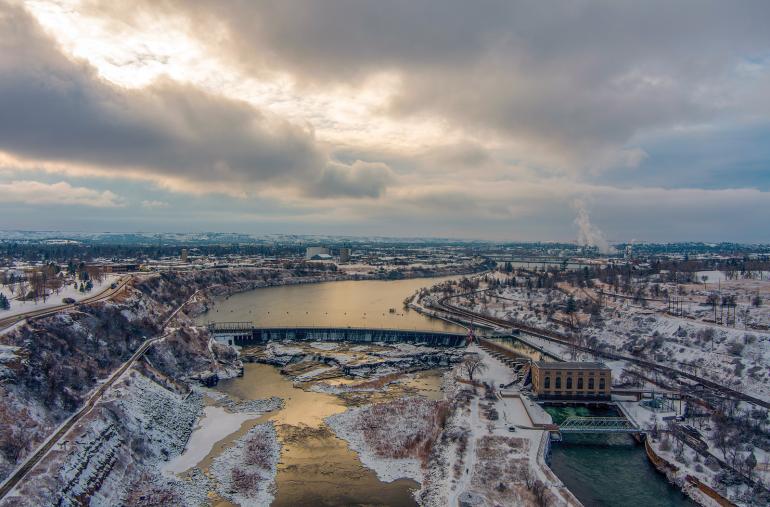
The "Great Falls" of the Missouri River and surrounding environs
One historic town, two state parks, and countless sights to see.
Great Falls is a town that’s as rich in history as just about anywhere in Montana—and really, the West as a whole. While it was formally founded during the wave of westward expansion, its story stretches back much further. Take a minute to consider the geography, and it all starts to make sense.
A major river cuts straight through town in the form of the Missouri, offering a steady source of water, wildlife, and movement across the landscape. Beyond that, the surrounding plains provides open ground, fertile soil, and clear sightlines, making this area both livable and strategic long before roads or rail lines arrived.
The deeper history of Great Falls is preserved in two nearby state parks, First Peoples Buffalo Jump and Giant Springs, both of which protect pieces of a landscape shaped by bison, seasonal movement, and a close relationship between people and place.
For thousands of years, Indigenous peoples understood this landscape intimately. The river wasn’t just water—it was a travel corridor, a food source, and a gathering place. The plains supported vast bison herds, and the sandstone cliffs west of town became a critical tool for communal hunts that sustained entire communities. When you stand here today, it doesn’t take much imagination to see why this place mattered, and why it still does. That deeper history is preserved in two nearby state parks, First Peoples Buffalo Jump and Giant Springs, both of which protect pieces of a landscape shaped by bison, seasonal movement, and a close relationship between people and place.
In winter, Giant Springs State Park offers one of the most straightforward examples of that connection. While much of the surrounding landscape freezes, the springs continue to flow at a steady temperature year-round, sending clear, cold water into the Missouri River. Snow along the riverbanks makes the contrast even more noticeable, and the park’s paved paths remain accessible for walking and wildlife viewing.

A cold day at Giant Springs
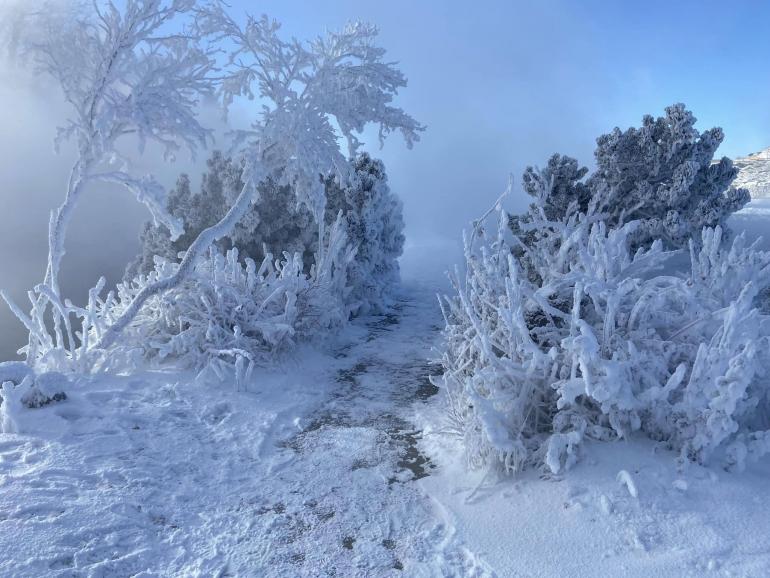
The frosty effects of steam in winter
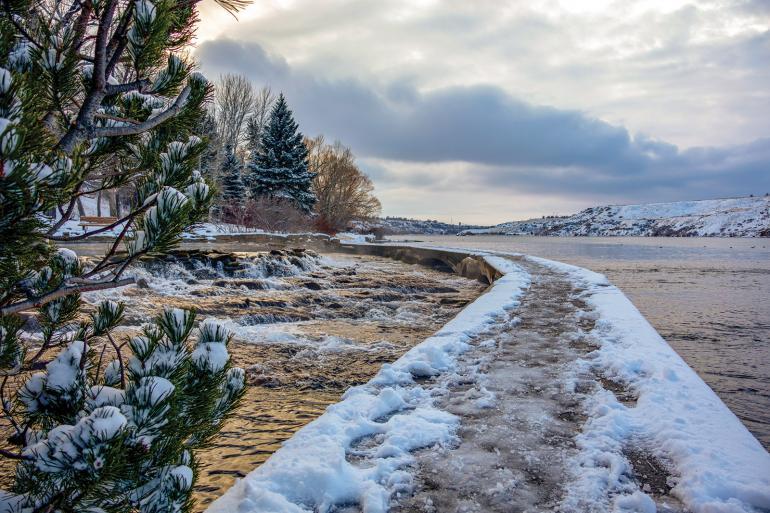
The riverfront boardwalk at Giant Springs
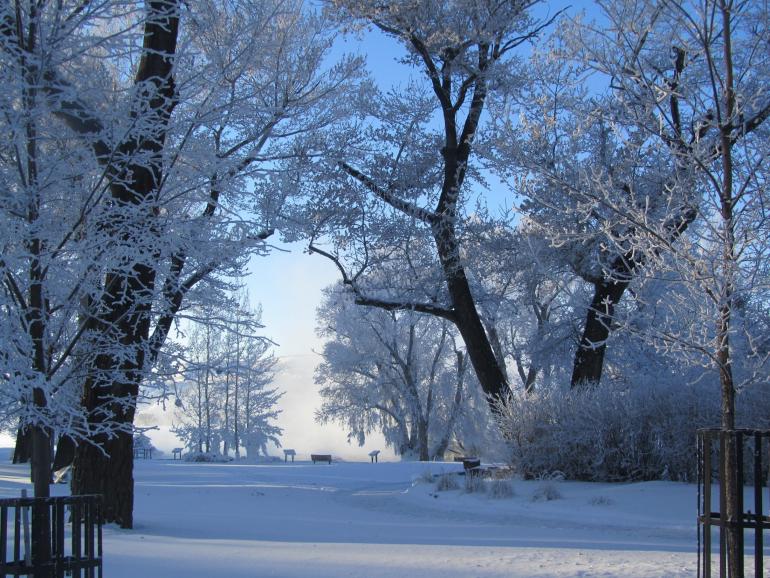
Snow and solitude at Giant Springs
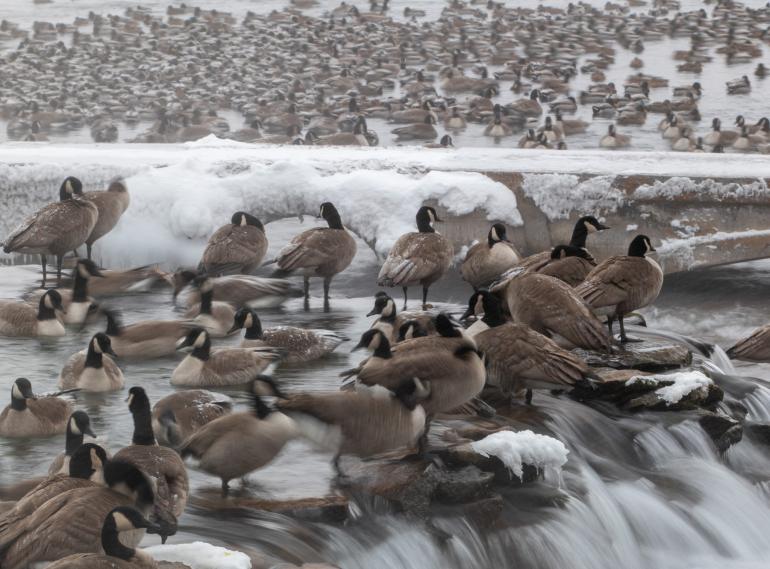
Geese keeping warm at Giant Springs
Winter also brings fewer crowds, making it easier to take your time with the interpretive signs and to watch waterfowl that linger along the open water. It’s a simple stop, but one that stands out this time of year, when the springs remain a reliable natural feature in an otherwise frozen landscape.
Similarly, First Peoples Buffalo Jump State Park takes on a different character in winter. Snow highlights the contours of the plains and throws off the scale of the landscape. With the earth covered, the sea of grass is replaced by an endless arctic expanse. Visitors can better understand how bison once moved across this country and how the sandstone cliff functioned as part of a larger hunting system.
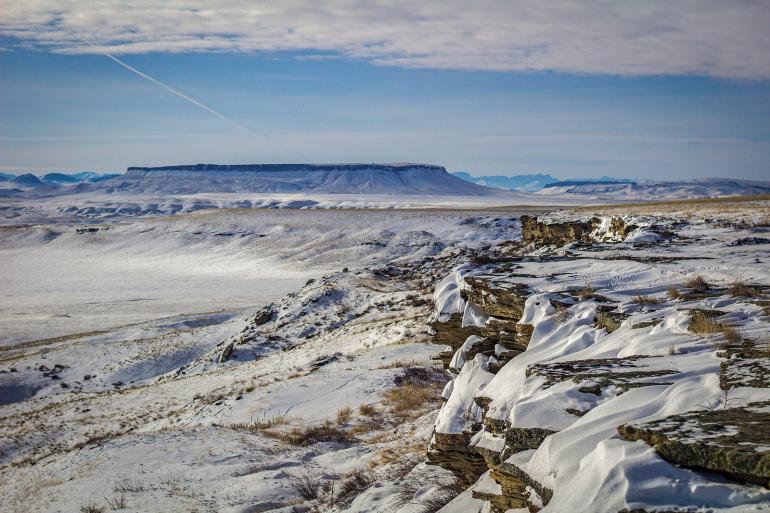
First Peoples Buffalo Jump State Park
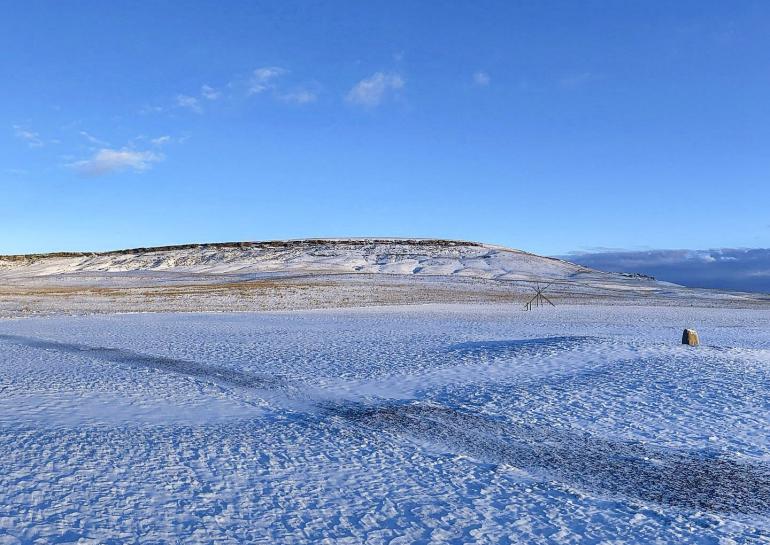
The wide-open winter landscape at First Peoples
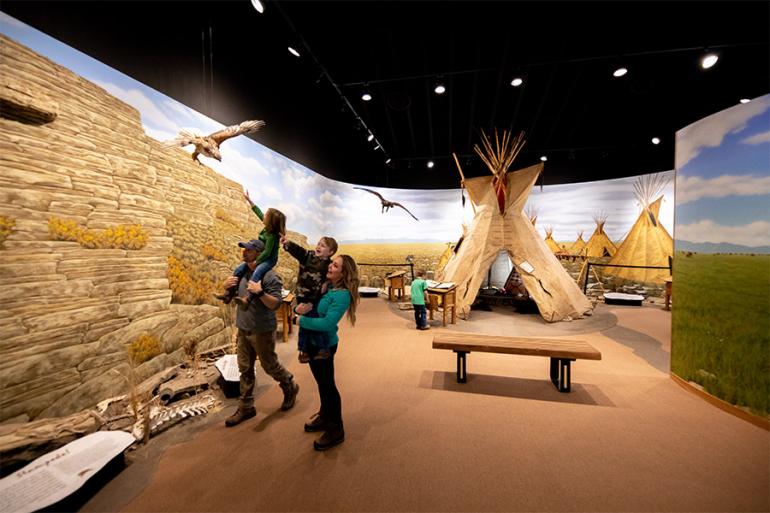
Family-friendly exhibits at the First Peoples interpretive center
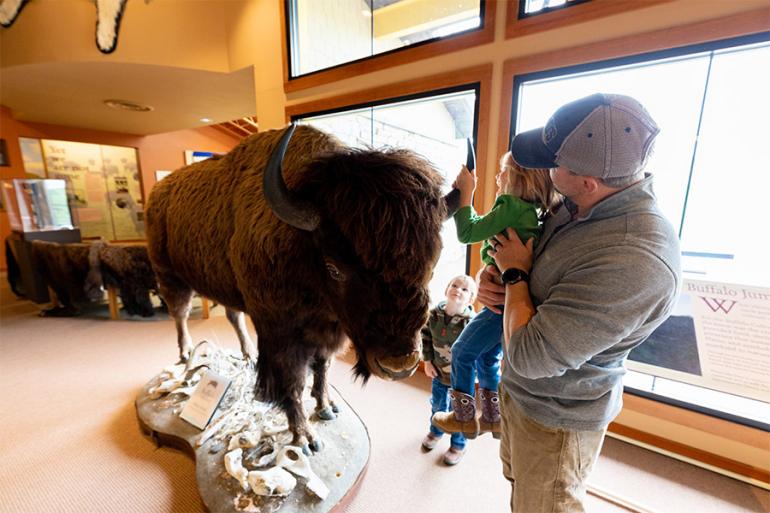
Life-sized mounts inside the First Peoples interpretive center
The interpretive center remains an important stop during the colder months, offering visitors historical context before heading out onto the trails. Winter conditions tend to keep visitation lower, providing a quieter experience and wide, unobstructed views from atop the cliff on clear days.
Winter also makes the town of Great Falls an appealing place to explore. The city’s compact downtown, riverfront trails, and museums are easy to access, and the slower pace of the season eases movement between outdoor stops and indoor breaks. Local breweries, coffee shops, and restaurants offer natural places to warm up without having to travel far.
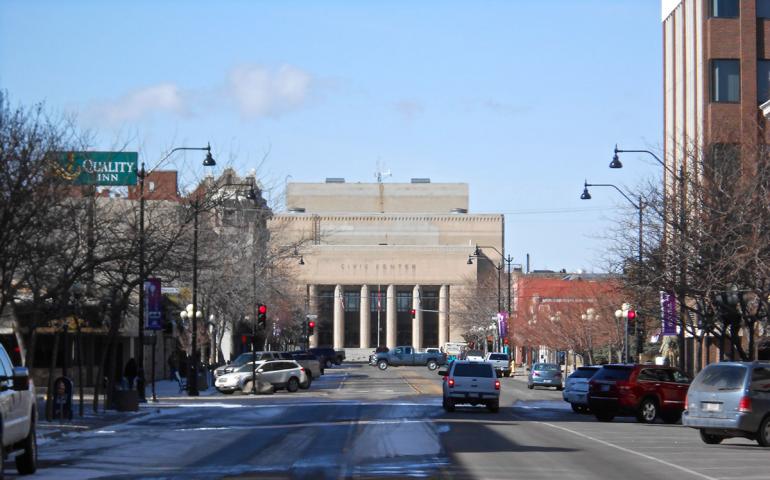
The Civic Center in downtown Great Falls
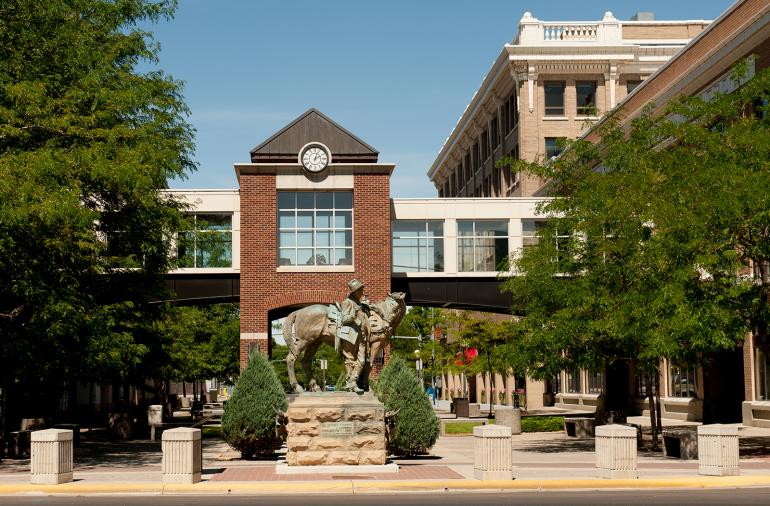
One of the sights to see in downtown Great Falls
Paired with nearby state parks that remain open year-round, Great Falls works well as a winter destination—one where history, landscape, and modern amenities come together, all without the crowds of peak summer season.
This state-park highlight is brought to you by the Montana State Parks Foundation — “Preserving and enhancing Montana's State Parks for today and tomorrow’s State Parks for today and tomorrow."