Dog Day Afternoon
Keeping canines safe while outdoors.
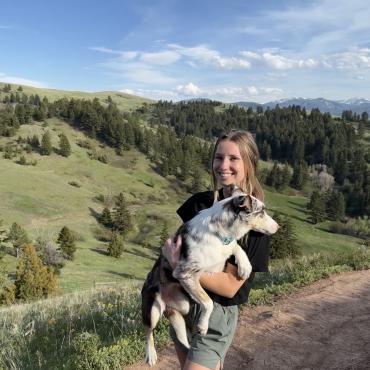
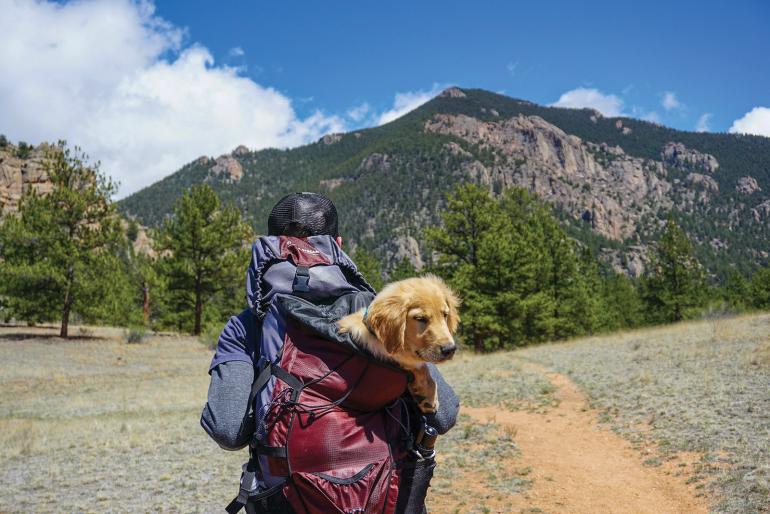
If you live in Montana, you surely enjoy being outdoors with your dog—whether hiking, floating, hunting, or working in remote areas. And while these activities can be rewarding, they also expose dogs to risk like rough terrain, wildlife, traps, and extreme weather. In situations where veterinary care may be hours away, dog owners should be prepared to act quickly. While emergency skills are not a replacement for professional veterinary care, they can make a lifesaving difference in stabilizing your dog and buying valuable time.
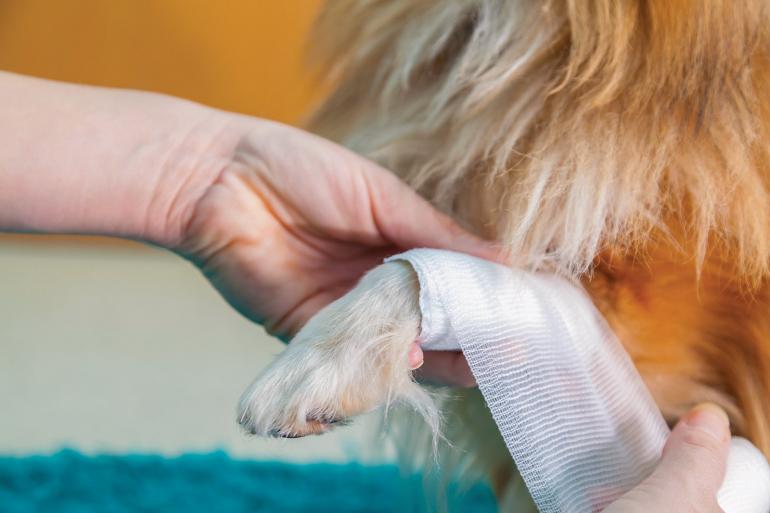
According to Montana K9 Safety, which offers first-aid and emergency training for dog owners, one of the most important steps to take is building a well-thought-out first-aid kit. This includes a paw- or pad-injury kit, as rough trails can easily cause cuts, abrasions, or torn pads. These injuries, while common, can become serious if not treated quickly.
In addition to basic first-aid supplies, dog owners recreating on public land should consider carrying a trap-and-snare release kit, or at least keep one in the vehicle. A proper kit includes wire cutters, vice grips, and gloves, among other trap-release items.
Even gentle and well-trained dogs can get defensive when they’re in pain, so it’s essential to understand how to safely muzzle your dog in an emergency. Even more important is desensitizing your pup to a muzzle before you ever need to use one. A dog that is already comfortable wearing a muzzle will be far easier—and safer—to handle in a stressful situation.
A little planning, training, and having the right gear on hand can turn a stressful situation into something you can handle with confidence.
Training plays a major role in prevention. A dog that is responsive to commands is much less likely to get into perilous situations. Around here, most people enjoy letting their furry friends run off-leash, but it’s important to recognize the risks and realize that good dog ownership needs to be balanced with safety. Wide-ranging dogs are more likely to encounter traps, dangerous wildlife, and hazardous terrain—so it’s important to consider when and where you allow your dog to run free.
Environmental conditions can also pose serious threats. Heat stroke, for example, often begins with dehydration. Dogs can overheat quickly, especially during strenuous activity or in warm weather, so make sure they’re hydrated before heading out. Carrying enough water, taking breaks, and watching for early signs of distress—such as excessive panting or lethargy—can prevent a life-threatening situation.

Wildlife encounters are another concern in Montana. Snakebites, while relatively rare, require immediate action. Clean the wound gently with soap and water (a solution that you can carry in your emergency kit), contact a vet right away, and begin transporting your dog as soon as possible. Having a plan in place before you head out, and knowing where the nearest veterinary clinic is, can save precious time.
Dog owners should think through emergency scenarios in advance. How will you carry your dog if it’s injured and unable to walk? Do you know how to use the tools in your kit? Hands-on experience is one of the best ways to build confidence in these situations, as learning how to respond to real-world scenarios can help you stay calm and effective under pressure. Thankfully, there are several resources and classes provided by organizations like Montana Fish, Wildlife & Parks and Montana K9 Safety to give you the tools you need.
At the end of the day, being prepared is just part of being a responsible dog owner. A little planning, training, and having the right gear on hand can turn a stressful situation into something you can handle with confidence. And when you know you’re ready to protect your pup, it makes the fun experiences you share together that much better.
This approach to canine safety is championed by Racheal Vargas, owner of Montana K9 Safety, which focuses on equipping pet owners with essential, hands-on emergency skills—especially for those who live, work, and recreate in remote environments.