A Man for All Seasons
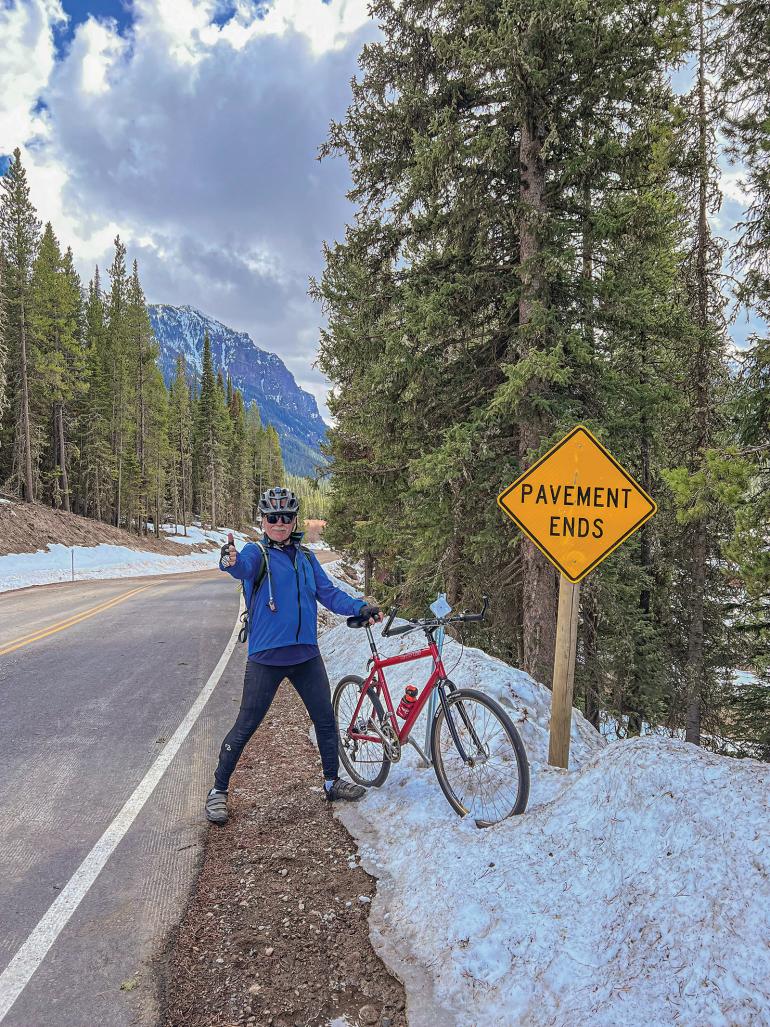
How Steve White—outdoorsman, adventurer, businessman, and civil servant—has helped shape the Gallatin Valley, in both seen and unseen ways.
Bozeman has its share of notable outdoorsmen. Many have been featured in this magazine, many are internationally famous, and some can boast of being in both categories. Ever since Jim Bridger trudged through our region, mountain-lovers from near and far have been drawn to the Gallatin Valley. They set out hoping to master our rugged landscape, to settle it, and to simply bask in the glory of the Absarokas, the Bridgers, the Tobacco Roots.
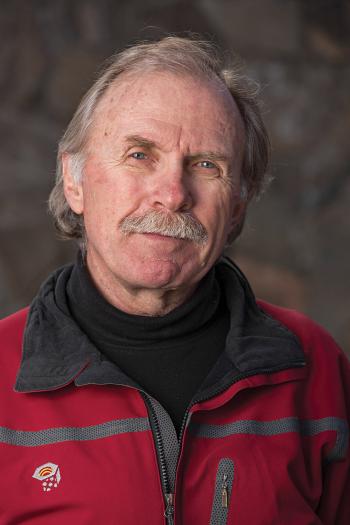
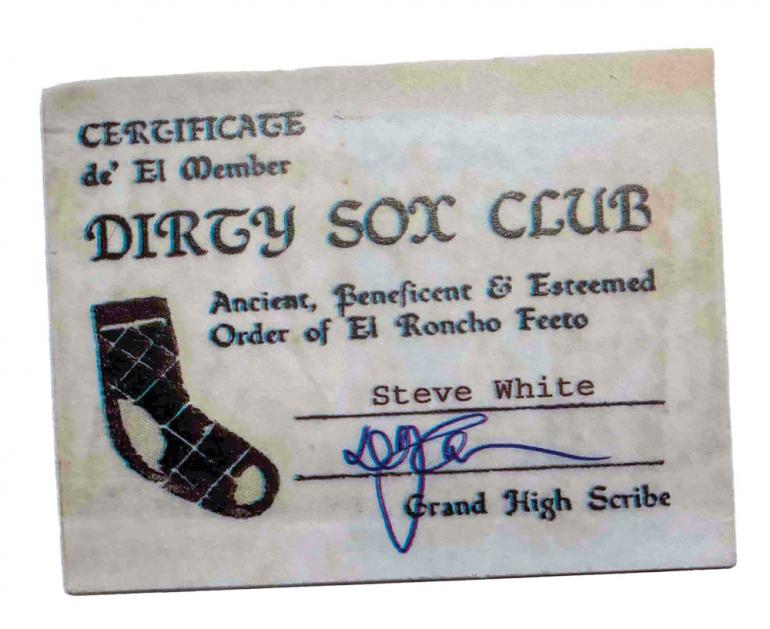
But some of our pioneering adventurers fly under the radar, and Steve White is one of them. Founding member of the Dirty Sox Club (see “Dirty Socks & Tight Lips,” Fall 2025), Steve is a longtime outdoorsman and born-and-raised Bozemanite who has been quietly improving our community for the last several decades. He’s a genuinely humble and amiable soul, and he’s pretty much done it all, from discovering ice in Hyalite in the ’60s to guiding in Lewis & Clark Caverns to improving some of our most maddening traffic conundrums. But his story starts well before the valley was crawling with Tacomas and cybertrucks.
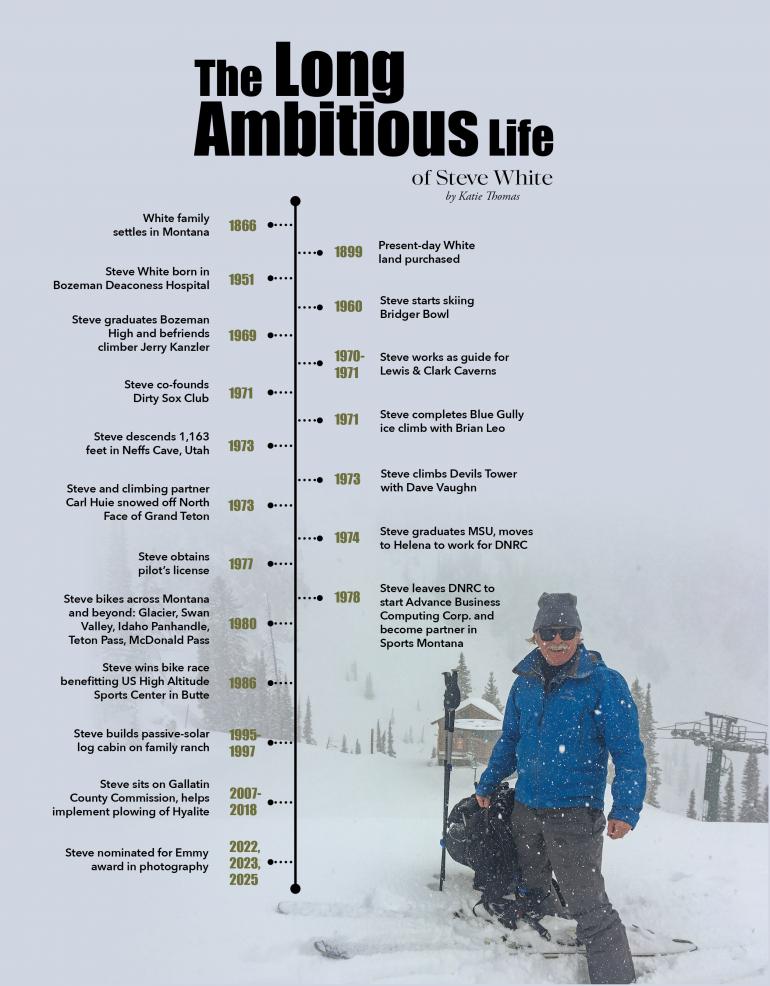
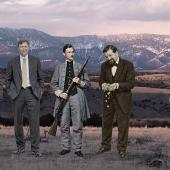
Picture this: Montana Territory, 1866. A covered wagon full of orphaned brothers arrives from Scales Mound, Illinois to chase gold, eventually settling south of present-day Three Forks. One of these brothers was Steve’s great-grandfather, also named Steven, then 12 years old. In 1899, he purchased a homestead property west of Bozeman from the original settlers, where the White family remains to this day. “I built our current log house there myself,” says Steve. “It took a year and a half, but we got it done. Our land has been in the family since 1899 and it’s still in ag production.”
A group of plucky alpinists needs a title, and thus the Dirty Sox Club was formed in 1971.
Steve graduated from Bozeman High School in 1969. Around this time, he became good friends with a young man named Jerry Kanzler, who had moved from Butte to attend MSU. Jerry and his brother, Jim, introduced Steve to rock climbing, and together they amassed a group of fellow rock jocks who paved the way for much of today’s climbing around Bozeman. “Jerry was extremely talented,” Steve says. “We did a lot of skiing and we had a lot of adventures together.”
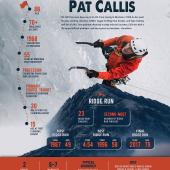
A group of plucky alpinists needs a title, and thus the Dirty Sox Club was formed in 1971. “I was running around with Dougal McCarty, Dave Vaughan, Brian Leo, and Pat Callis, who I consider the original Dirty Sox members,” says Steve. “We spent a lot of time south of Bozeman and in the Humbugs by Butte. We didn’t have the shoes or equipment of today; we were on braided Goldline ropes.” Not to mention the itchy wool apparel he and his friends had to wear in the 1960s.
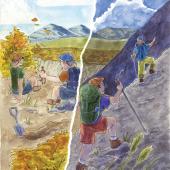
But Steve, who went on to study geology at MSU, describes a pretty idyllic mountain life: pursuing his academic interests by day and hitting the road for Hyalite every afternoon with his crew. They bonded as only a group of intrepid young explorers can, as they bushwhacked past the Hyalite reservoir and eventually started “messing around on the ice,” as Steve puts it. “We didn’t even know there was ice up there,” he says, until they stumbled upon it one day. They didn’t know there was ice anywhere else, either—there were no maps for this purpose to speak of. So they started looking for more, and found plenty. And it was much bigger—Blue Gully and Green Gully in Paradise Valley were favorite climbs. “In those days, there was nobody else around. It was so cool,” Steve remembers. “And we were never chemically impaired. Your life was at stake, and you had to depend on the guy who was with you. It was something we took seriously.”
In 1969, Jerry Kanzler and a few other climbers invited Steve to join them in scaling the north face of Mount Cleveland, the tallest peak in Glacier National Park. Steve didn’t consider himself skilled enough to attempt this climb, the summit of which is 10,448 feet, but he contemplated going with them as support, to help carry gear and such. But Steve ended up having a conflict and, along with Jim Kanzler and Pat Callis, he declined. After embarking on this climb on December 27, Jerry and the four other climbers disappeared. Their bodies were found in the late spring of 1970, and it was determined that they’d been swept away in an avalanche.
“I wanted to have a very keen understanding of avalanches when I was studying at MSU,” Steve says. “That became very personal to me—I never wanted to lose anyone to an avalanche again.” Steve got involved in the Avalanche Research Project, which was just getting up and running. He worked under the tutelage of Dr. Charles Bradley and Dr. John Montagne, two trailblazing scientists who had been in the 10th Mountain Division. The group spent a lot of time at Bridger Bowl, studying snowpack and snow dynamics. Their early work began a proud legacy of local avalanche research aimed at prediction and control.
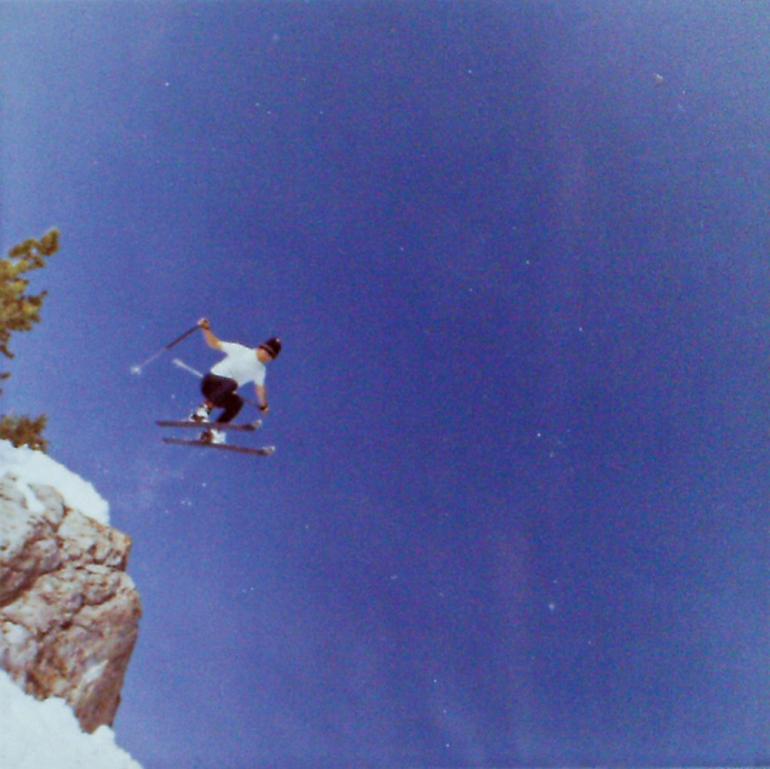
Steve at Bridger Bowl, 1970
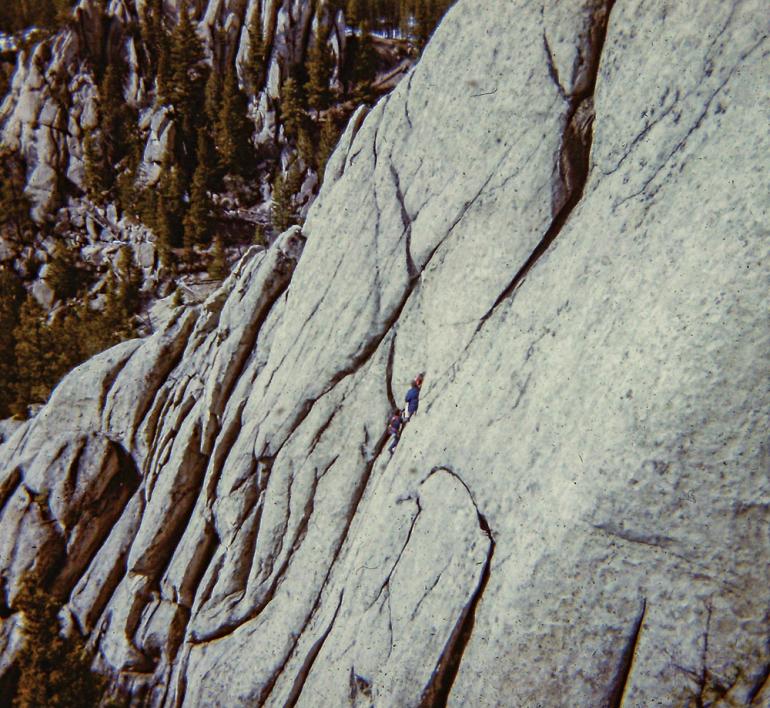
Steve climbing at Humbug, 1972
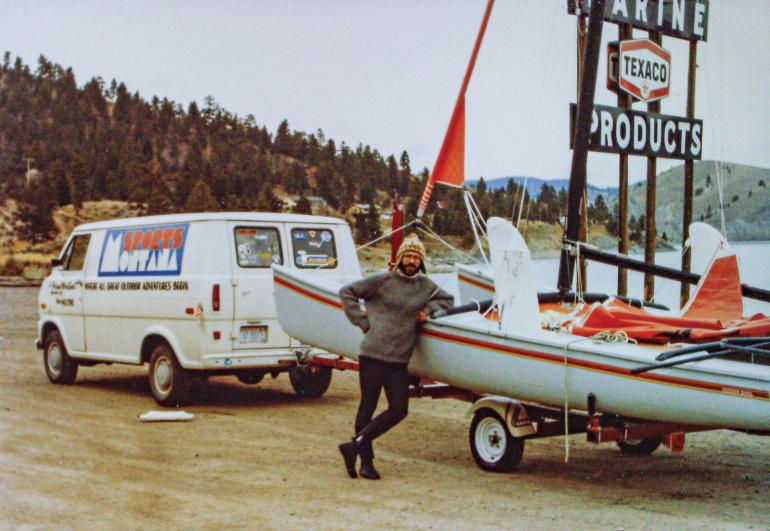
Steve sailing at Canyon Ferry, 1979
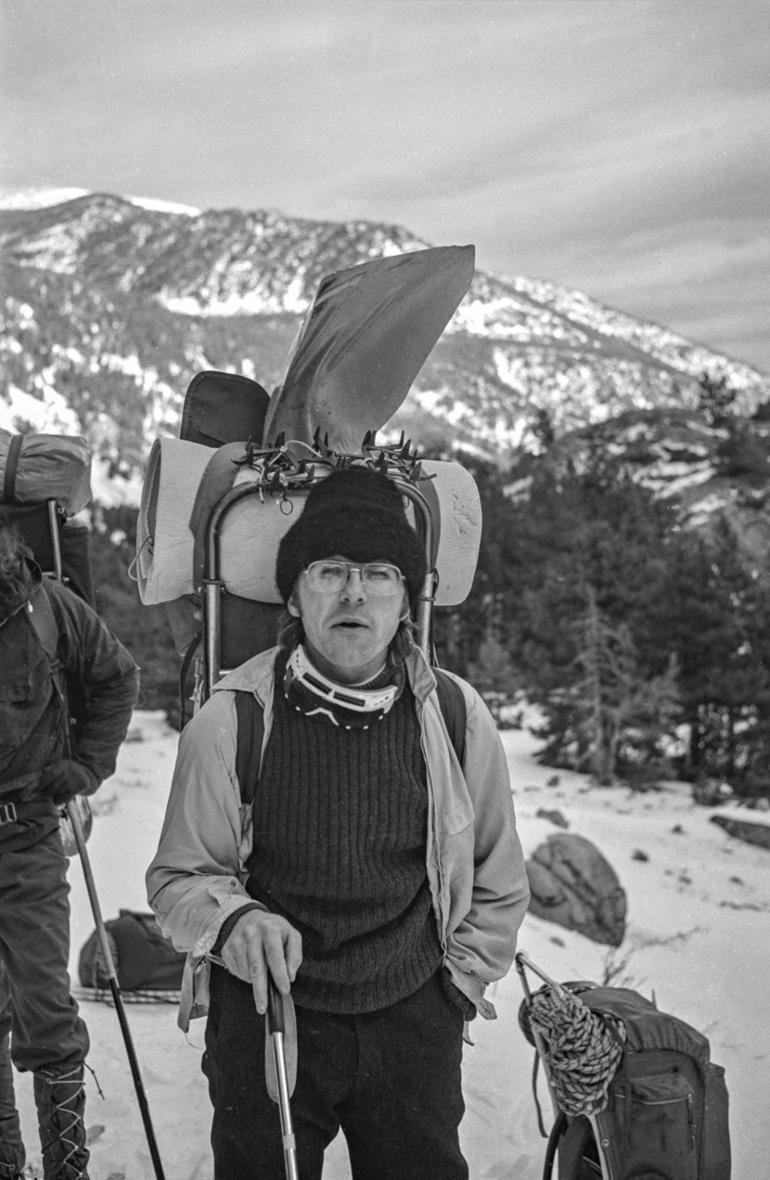
Steve climbing Granite Peak, 1972
Steve also got into caving, ultimately conquering Neffs Cave in Utah—a 1,163-foot monster. He recalls a 14-hour round-trip as a member of the de-rigging team in 39-degree temperatures. (If this is your idea of a good time, note that Neffs is closed to the public without U.S. Forest Service permits and a lot of other prerequisites.) Steve spent the summers of 1970 and 1971 guiding at Lewis & Clark Caverns, where he explored the caverns at night and got to know nooks and crannies that are now sealed off. “I would often sleep in the caves,” he says. “Sometimes I could feel the bats flying just over my head.”
After earning degrees in geology and computer science in 1974, Steve moved to Helena with his wife Pam, where he’d gotten a job with DNRC as a geohydrologist. After a few years he left to start his own software business, Advance Business Computing Corp. At the same time, Steve became a partner in a sporting-goods store called Sports Montana. He’d begun racing Hobie Cats, a brand of lightweight, high-performance catamaran, and was recruited to sell the boats for the store. While juggling work and play, Steve also owned several sandwich shops in Helena, called Sub Committee. He sold these to move back to Bozeman, but one of the neon signs still glows in Steve’s home office.
"I became a commissioner because I love Gallatin County. I wanted to serve its people."
—Steve White
By now, it should be clear that this gent isn’t satisfied with just one job or one hobby. In addition to hitting the mountains, racing boats, and running software, food, and sports businesses, Steve also happens to be a former longtime Gallatin County commissioner (2007-2018). When it’s suggested that public service is a rather thankless job, Steve replies, “I did it because I love Gallatin County. I wanted to serve its people. I think it’s good for people to surrender their private ambitions for future generations and for purposes that they would never receive benefit from.” That’s not a sentiment you hear much these days.
Steve has a suite of community-oriented improvements to his credit, not least of which is the plowing of Hyalite. Until 2007, the road to Hyalite Reservoir was not plowed in the wintertime, making the entire drainage nearly inaccessible without a snowmobile. Working with the Forest Service and the nonprofit Friends of Hyalite, Steve would often ride along in the massive Oshkosh snowplow, “an incredible workhorse with full six-wheel drive and a blade under the chassis,” says Steve. “Our committee had unanimous support from the commission, and I was really happy to be part of that.”
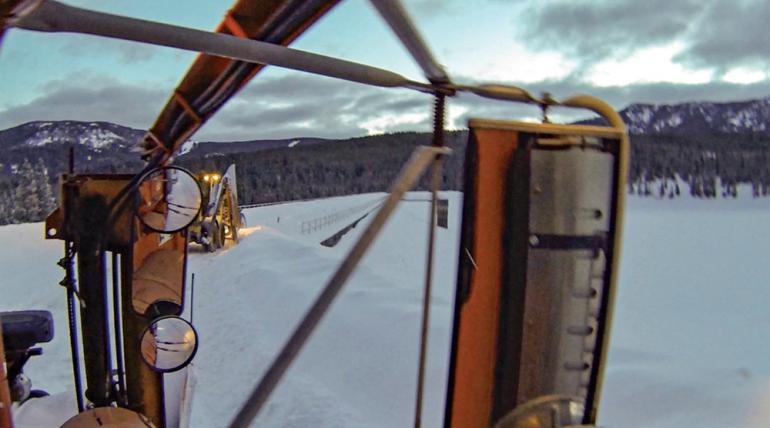
Plowing Hyalite
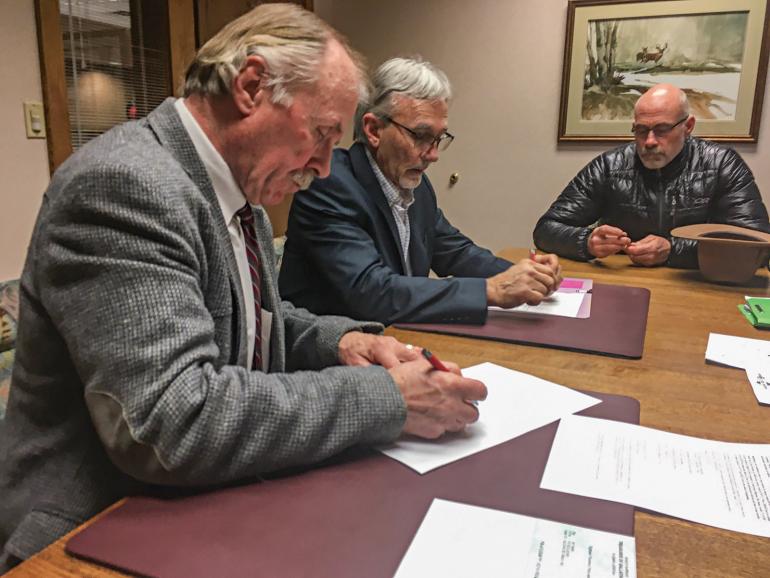
Commissioner White at work
Another thing that made him happy: getting phone calls about roads and traffic. “I actually loved getting calls where someone said, ‘Hey, our road stinks out here. What can you do about it?’ because I had the power to get something done,” Steve explains. “I wanted to be able to help people.” Well, he did that in spades: if you’ve ever entered I-90 eastbound from Amsterdam Road, you can thank Steve for the new on-ramp, complete with a left-hand turn light.
One day in 2007, he was on his way to Helena and noticed traffic backed up on Amsterdam Road as far as the eye could see. He realized the present option for entering the freeway from that direction was no longer practical, given the massive growth west of Belgrade. It didn’t sit well with Steve, so he sat down one morning with a computer program he’d written himself and counted cars for two hours. He found that 61 percent of the cars turning left from Amsterdam onto Jackrabbit were getting on I-90 east. Steve took his study to the commission and, seven years later, all east-bound Amsterdam Road traffic to Bozeman takes the new on-ramp, drastically alleviating the congestion.
“I think it's good for people to surrender their private ambitions for future generations.”
—Steve White
But all good things must come to an end, and Steve finished his term in 2018. Obviously not one to rest on his laurels, he began working with drones. He’s provided all the aerial cinematography for every CBS station in Montana for the past ten years, and his Emmy-nominated, Montana-focused projects can be seen on his website, altilux.com. Steve also taught an introductory drone class at Gallatin College as part of their aviation program, and he completed the two-year term as a supervisor of the Gallatin Conservation District to replace a member who had resigned.
As the old proverb goes, we are all many things, and truer words were never spoken with regards to Steve White. In addition to the accomplishments chronicled here, Steve has somehow also found the time to serve on the MSU Gallatin College Advisory Board while spending time with his grandchildren, skiing, mountain biking, and sailing his 23-foot sailboat (aptly named “ESC,” for that key on your keyboard).
“I’m so grateful for my many opportunities,” Steve says with his friendly smile. And we should be, too. His drive to serve, and his love and respect for the land we live on, is clear from all his contributions over the past six decades. Gallatin Valley has the heartbeat it does because of people like Steve White.