Mono a Mono
The glorious return of the monoski.
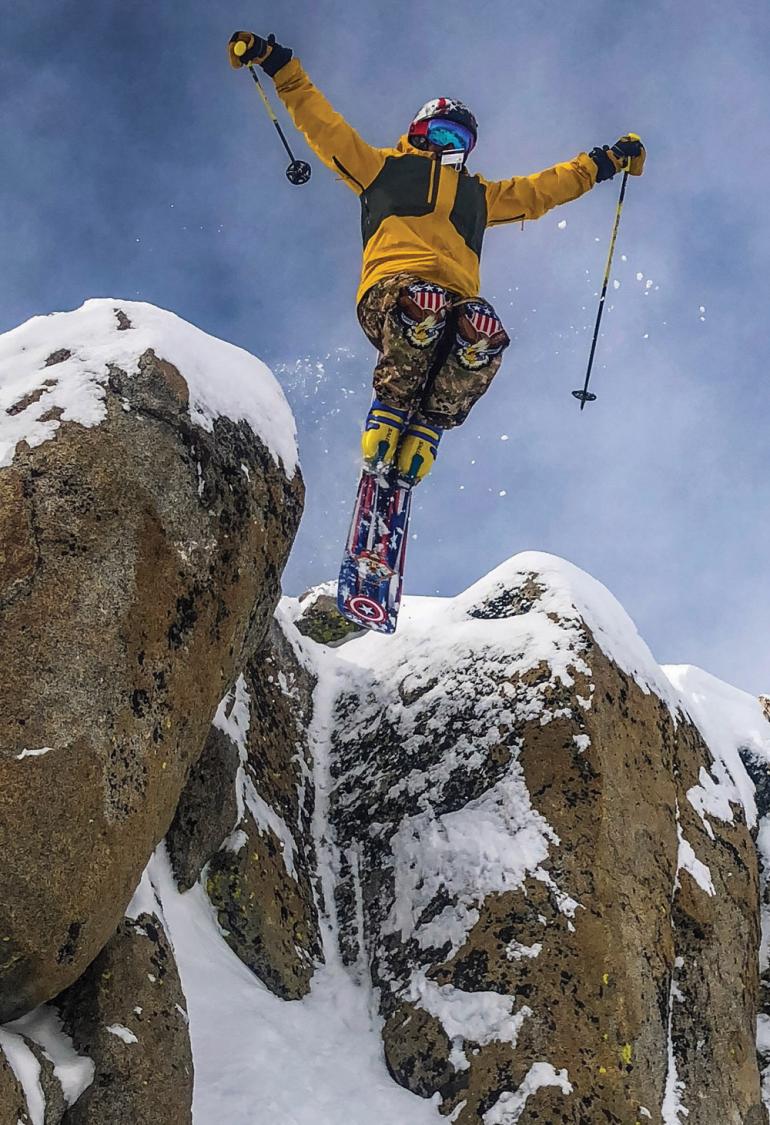
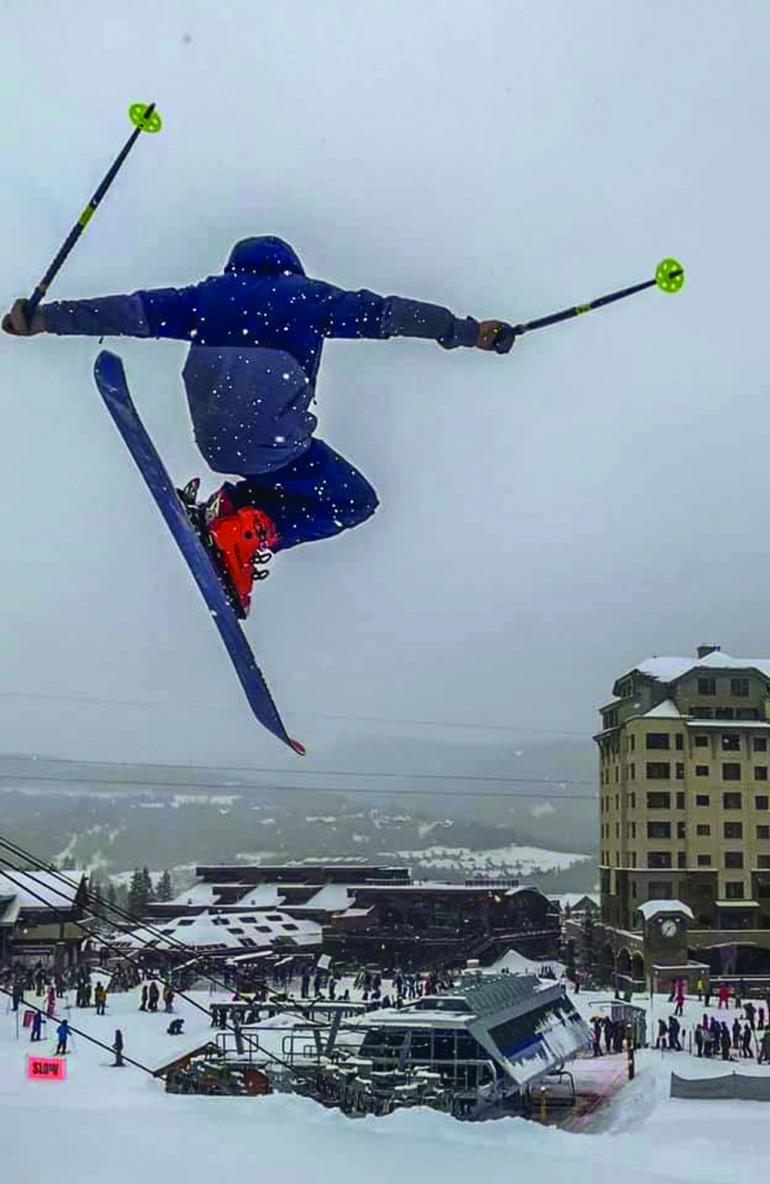
As the old adage goes, everything in life is cyclical. Take skiing in jeans, for example. O/B first covered denim’s slow resurgence back in 2020, and its popularity has blossomed since. So too with bright-colored onesies, goofy sunglasses, moustaches, and mullets—all of which are almost as prevalent now as they were in the ’80s. Keeping with this trend, it should be no surprise that another relic of a seemingly bygone era is on the rise. It’s taking the mountain by storm, turning heads, and getting whoops and hollers from the lift. They fly by on their way to steal your girl, and they’re proving that sometimes, less is more. That’s right, baby: the monoski is back.
Now, you may be wondering what all the hype is about. Disciples would say it boils down to just having the most fun you can on the mountain (and looking cool as hell). Just like riding a jetski, it’s impossible to have a bad time monoskiing. It takes all the most aesthetic parts of skiing—tight, parallel formations and banging out perfect turns with textbook body rotation—and makes it better. Plus, monoskiers are almost always the most popular folks at the tailgate afterwards.
Monoskiing radiates main-character energy. It’s an attention magnet, and people can’t help but do a double-take. Just ski a single lap with one beneath your feet and you’ll see why: shout-outs left, right, and from the lift above; folks stopping you in the lift line to get a closer look; and plenty of attention from the opposite sex. It takes a special kind of person to handle the limelight, which begs the question: does anyone ever really choose the monoski life? Or were they destined for it all along?
But monoskiing ain’t just fun and games—it’s also a great tool for improving your form and technique. When both feet are fixed to a single plank, your ability to pivot or skid turns is limited, requiring clean edge-engagement and precise pressure-control. Though it may seem counterintuitive—since you’re relying on only two edges, and primarily your uphill one—monoskiing generally comes naturally to seasoned skiers. The stance promotes proper hip angulation and upper/lower body separation while simultaneously exposing issues like backseat posture or uneven weighting. Additionally, monoskiing enhances balance by improving your ability to feel the snow’s feedback and maintain consistent turn rhythm. It doesn’t just make you look good—it also makes you a better skier.
That’s the beauty of monoskiing: not taking yourself—or skiing itself—too seriously.
At the end of the day, skiing is supposed to be fun. But some folks on the hill are way too uptight—clenched fists, full egos, their Gore-Tex in a bunch. Someone not alternating in the lift line or stopping at the “wrong spot” on a run can drive some of these yahoos to bursts of rage and possible brawls. But skiing is a sport, not a religious mission or political principle, and we’re all out here for the same reason: to have a good time. To me, that’s the beauty of monoskiing: not taking yourself—or skiing itself—too seriously. It’s about stepping out of your comfort zone and trying something new. There’s no harm in falling over a few times. You just get back up.
All said, monoskiing isn’t just a gimmick, and by now it’s proven to be more than a flash in the pan. It’s a statement—a call to get back to the roots of what made skiing great in the first place: camaraderie, purity, and having a damn good time. It’s about willingness to go against the grain, challenge the status quo, and feel like a kid again. But most importantly, it’s about just getting out there and looking really freaking cool. Viva la Mono, Amigos!