A reflective road-trip through eastern Montana’s state parks.
Every great road-trip starts with an idea and ends with a story. In this case, however, the road-trip itself is a story—one of past people, landscapes, and events. Grab your keys, because we’re heading across Montana, through time, and into the stories written all around us. This is a long one, so bring plenty of snacks.
About 800 miles of open road stretch out ahead as we point the truck east. Our first stop, just past Billings, is quite literally an example of stories reaching across time. Here at Pictograph Cave State Park, the past is right in front of you, no translations necessary. Animals like bison, elk, and turtles appear alongside drawings of people, teepees, and the old ways of life. Some of these pictographs have been dated back more than 2,000 years. The question begs: are these records of specific animals and people, or simply a way of saying “This is us, we were here?” Either answer is just as fascinating.
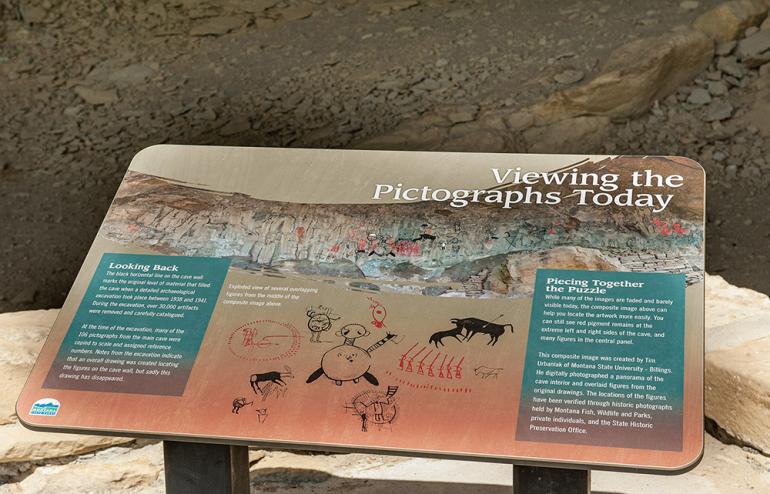
Pictograph Cave State Park
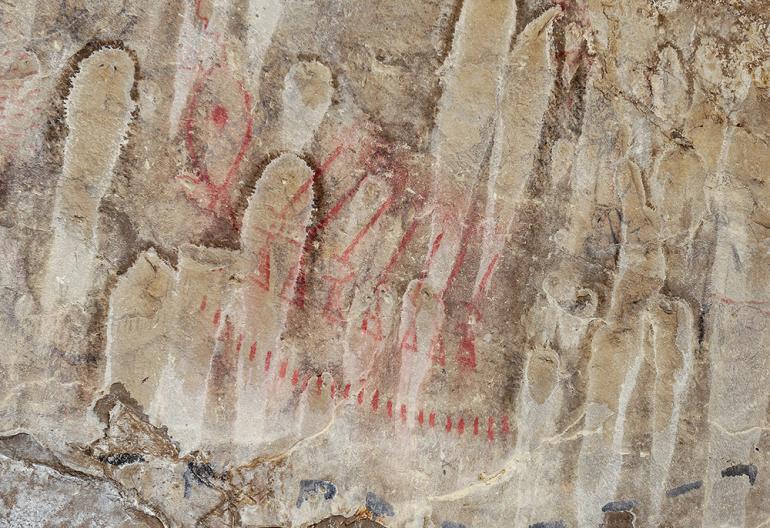
Pictograph Cave State Park
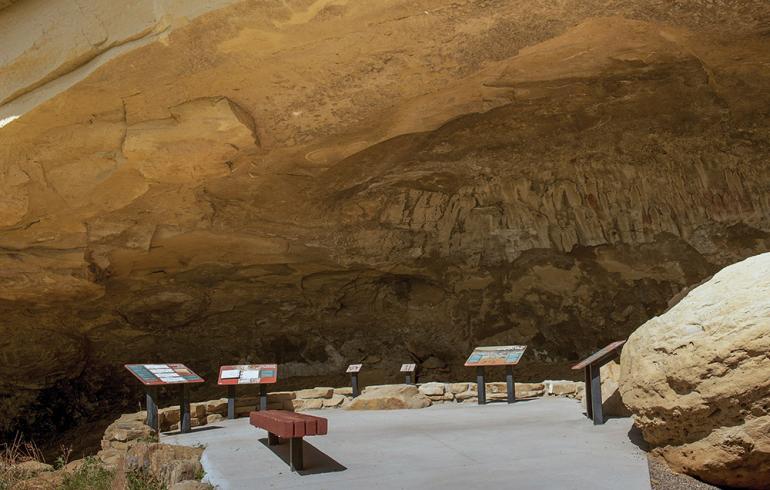
Pictograph Cave State Park
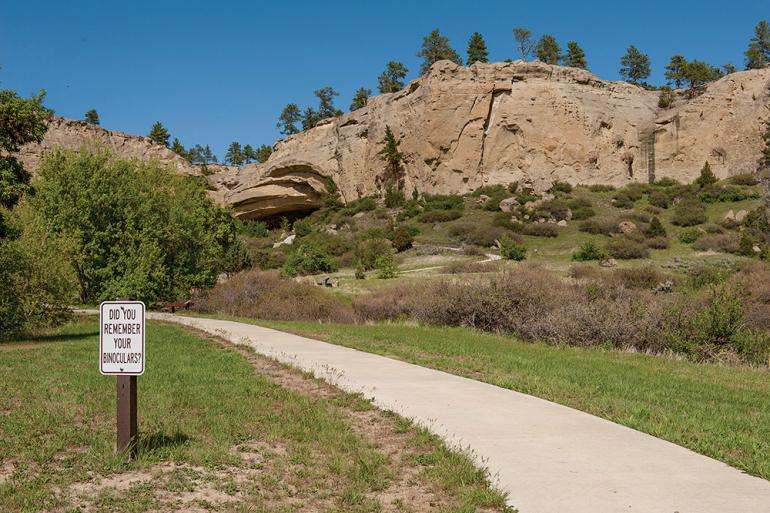
Pictograph Cave State Park
If you left Bozeman bright and early, there’s time to swing back through Billings for lunch before continuing east toward Glendive—an old railroad town that still has plenty of life. After a long day of driving, especially if you tackled it all in one push, you’ll want to rest up before logging any more miles. Don’t worry, the features of our next stop have been around for 60 million years, give or take, so they aren’t going anywhere soon.
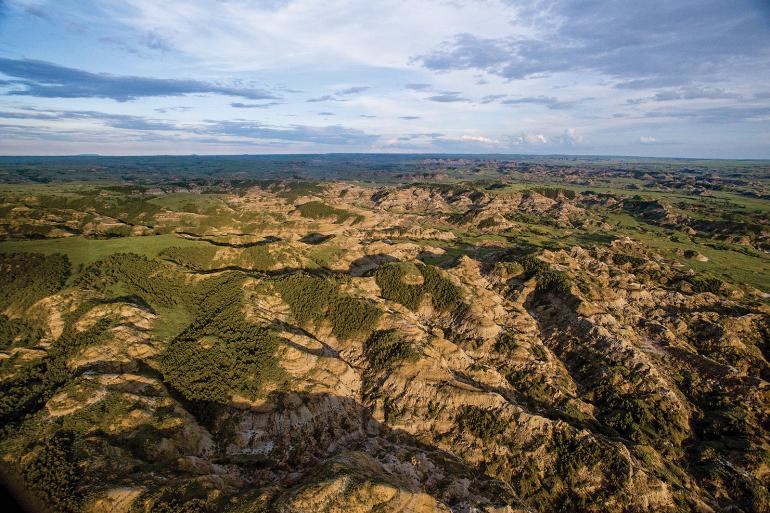
Here at Makoshika State Park, Montana’s largest, we’re given a chance to refocus our lens when reading the world and stories around us. Unlike the close, deliberate attention required with the pictographs, a broader and more interpretive perspective is needed here to understand the story the land tells. It’s more subtle. The otherworldly landscape (Makoshika is a Lakota term meaning “bad land” or “bad earth”) speaks a different language altogether, one that’s entirely unhuman. The barrenness of this place is part of the appeal. The cracks and streaks on the hillsides reveal the exposed hearts of ancient mountains, eroded by millions of years of wind, water, and time.
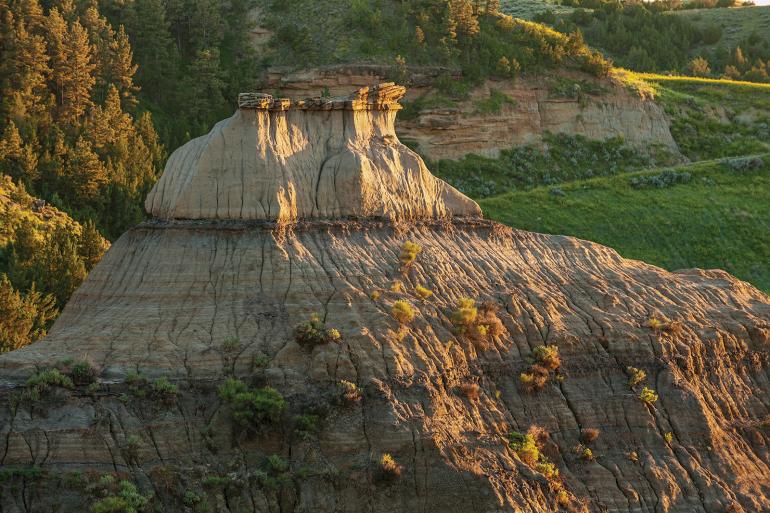
Makoshika State Park
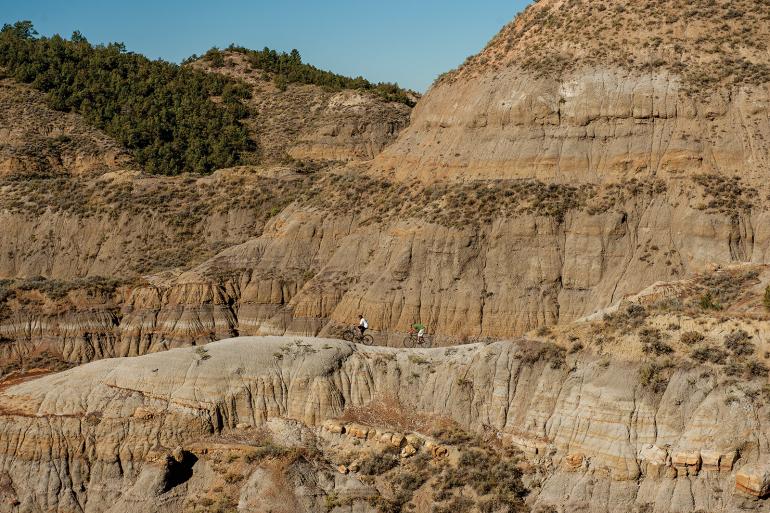
Makoshika State Park
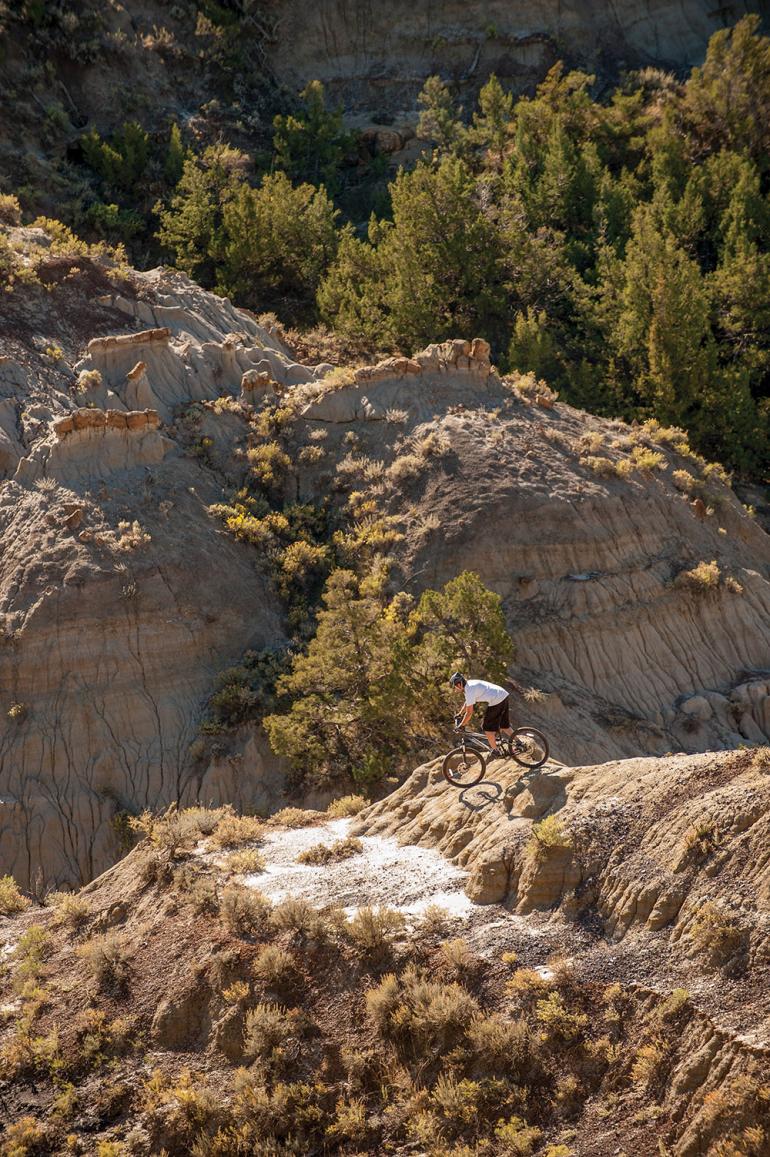
Makoshika State Park
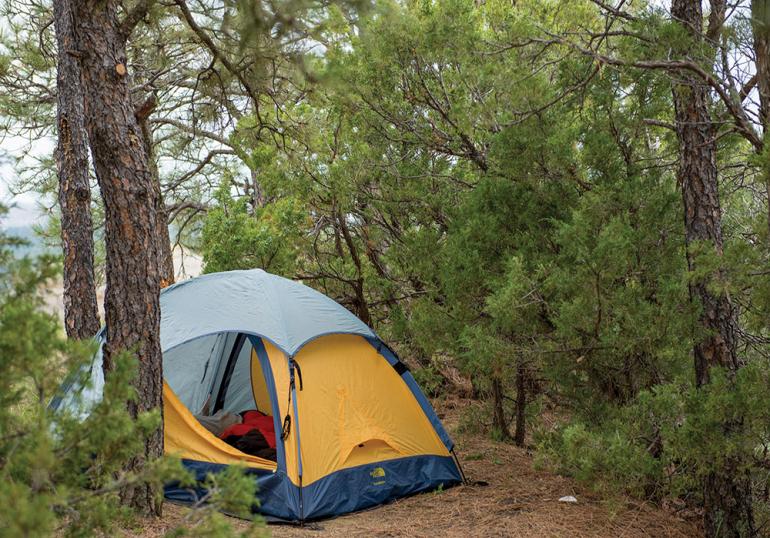
Makoshika State Park
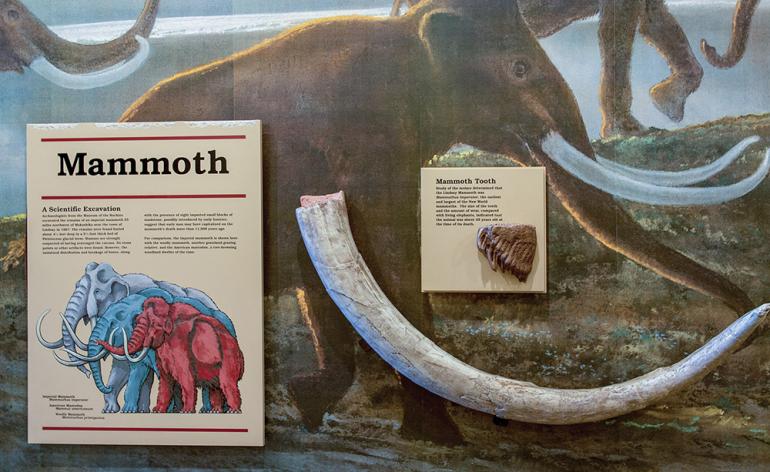
Makoshika State Park
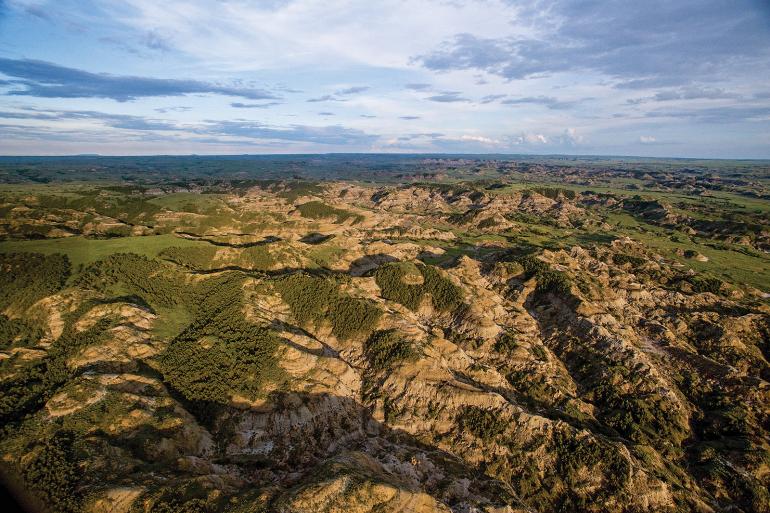
Makoshika State Park
It’s the furthest back in time we’ll go on this trip, and the farthest we’ll be from Bozeman. But there’s one last stop to bring the journey full-circle: Judith Landing State Park.
Defined by sweeping river views and quiet reminders of those who came before us, Judith Landing sits along the Missouri River at the mouth of the Judith River. Lewis and Clark passed through this region on their westward journey, and long before that it served as an important meeting place for native tribes, including the Blackfeet. Standing along the riverbank, it’s hard not to notice how different this story feels. Here, the past isn’t etched into stone or revealed through erosion. It moves. Looking downriver, the water flows away, carrying everything in front of it into memory. Looking upriver, more water approaches and then continues on. The river cuts its path through the land slowly but persistently, leaving a lasting mark as it goes.
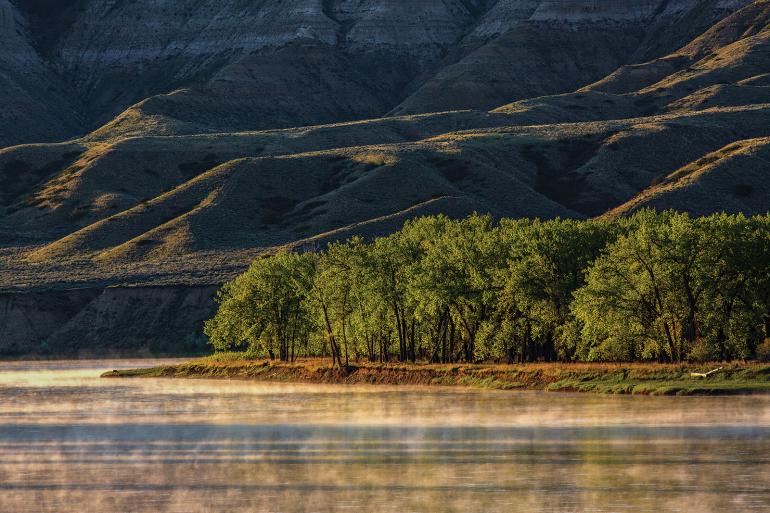
Judith Landing State Park
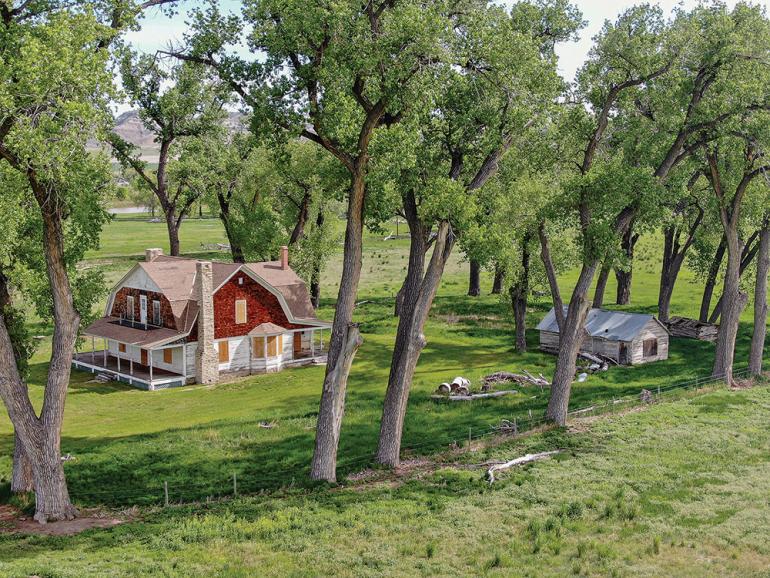
Judith Landing State Park
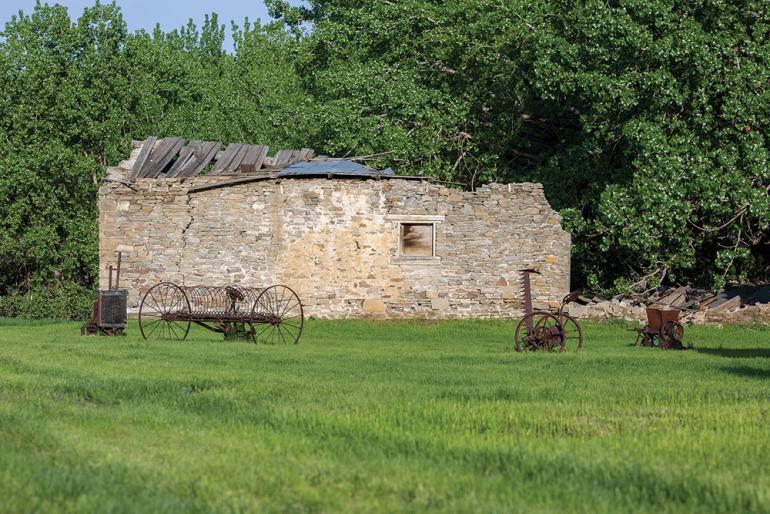
Judith Landing State Park
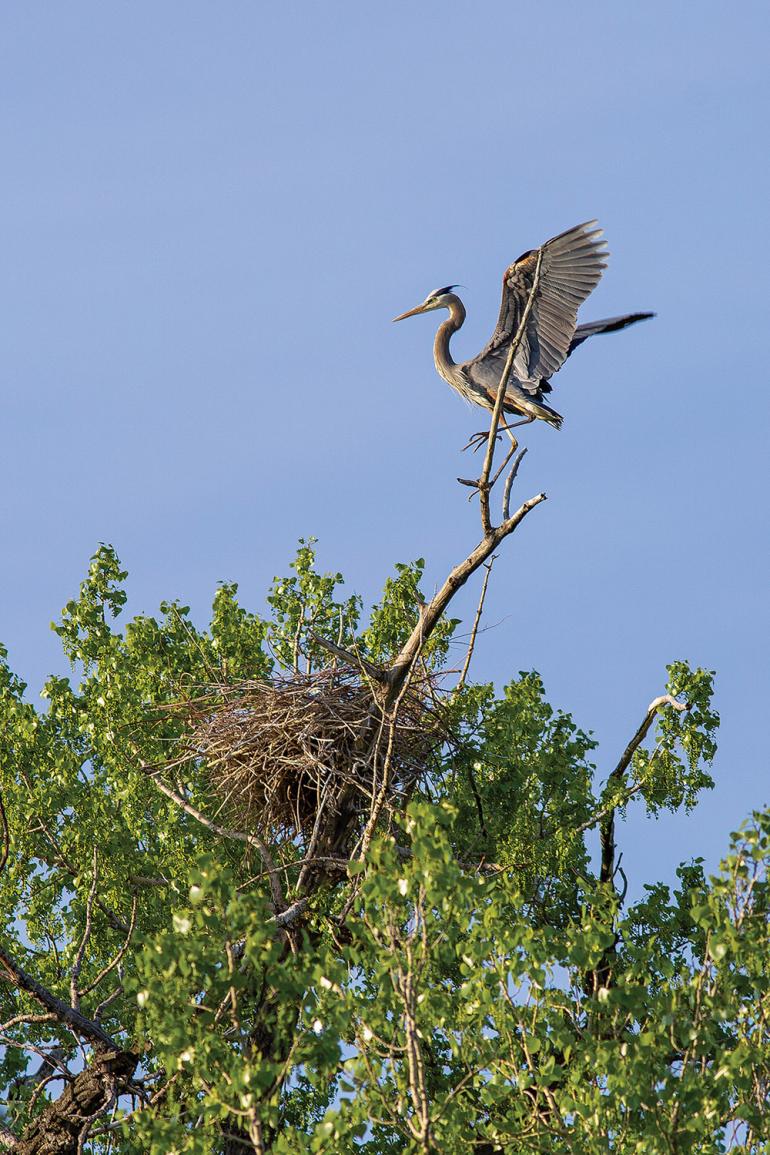
Judith Landing State Park
Here, on the banks of the Missouri, our journey comes to an end. Through it, we’ve gained a deeper appreciation for the landscapes around us and the stories they tell—whether that be drawings on a cave wall or the quiet curves of a hillside or riverbank. Not to mention, our bodies tell the tale, with wrinkles on our faces from hours spent gazing out at the eastern-Montana landscape. With so much to see, there’s no time to waste. Just don’t be afraid to wander down a few side roads or dirt spurs while you’re at it.
Feeling inspired? Adventure Van Expo comes to the Gallatin County Fairgrounds August 15-16. Gallivant through a weekend full of unique builds and interiors, new models, custom designs, open house vans, campers, and RVs up for purchase. There'll also be good food, a DIY display contest, and on-site camping. Learn more here.