Wild & Free

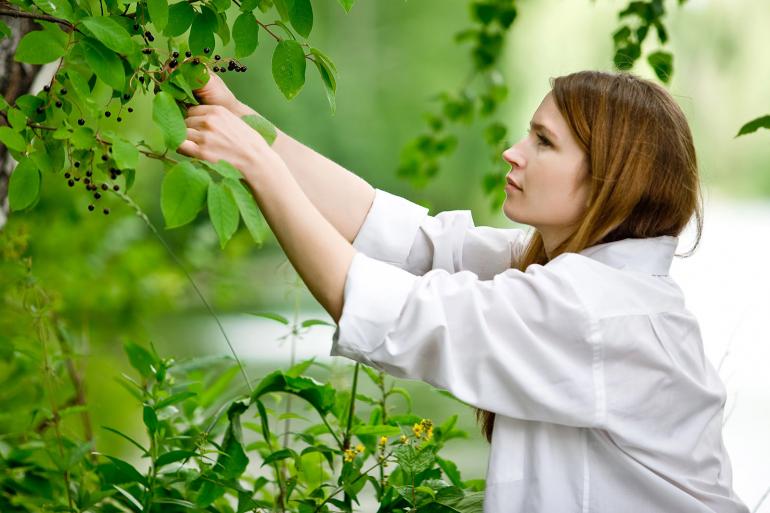
Edible plants of Montana.
How many times have you been walking along a wooded trail when something bright, shiny, or colorful catches your eye? As you impulsively reach for it, your inner voice shouts a warning: Don’t eat it! That reservation exists for good reason. From childhood, we are cautioned that several attractive plants and berries can be harmful—or even deadly—if misidentified. Still, not everything in the wild is off-limits. With the right knowledge, some of those eye-catching finds can make for safe, delicious trailside snacks or take-home ingredients.
That’s what led me to sit down with Caiseal from Hillside Nursery in Bozeman. I wanted to learn more about native edible plants, as well as Montana-friendly species that can thrive in my own back yard. I was surprised to discover how many edible options have been right under my nose all along.
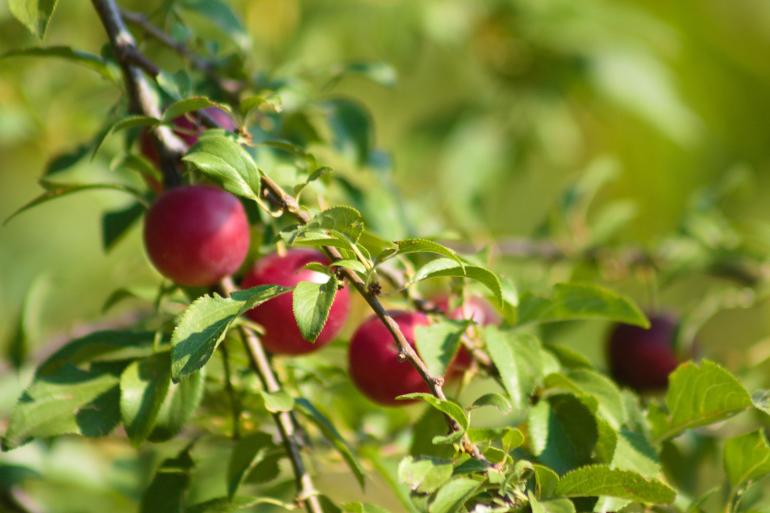
Caiseal began by describing what I may discover while out & about. The American plum (Prunus americana) is often found near waterways. Its small fruits are tart and contain pits, so they’re not the best for snacking straight off the branch—but they make excellent jams, tonics, or even non-alcoholic drinks. Wildlife is fond of them too, so don’t be surprised if you end up sharing.
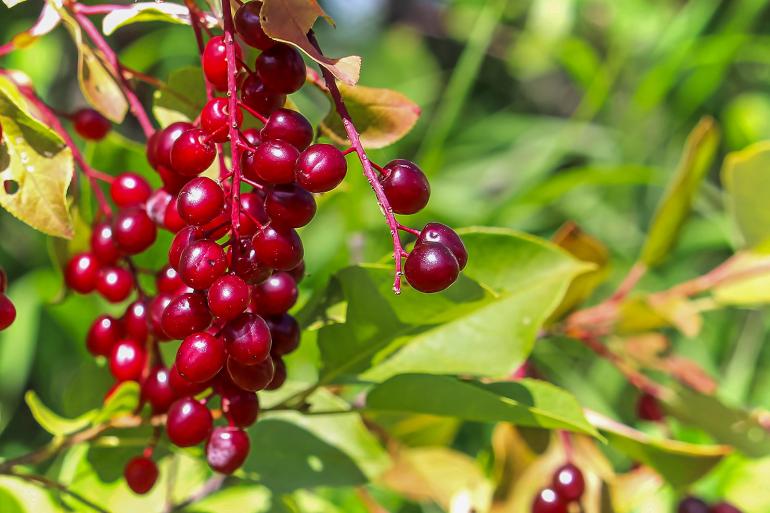
Chokecherry (Prunus virginiana) is one of the most common Montana finds. It grows as a shrub or small tree along sunny woodland edges, with drooping clusters of dark fruit that resemble tiny bunches of grapes. The berries can be a bit tannic, but “are rich in antioxidants and offer a quick hit of natural sugar—ideal for a mid-hike energy boost,” said Caiseal. Around Bozeman, you’ll often spot them near places like Kirk Hill or Drinking Horse.
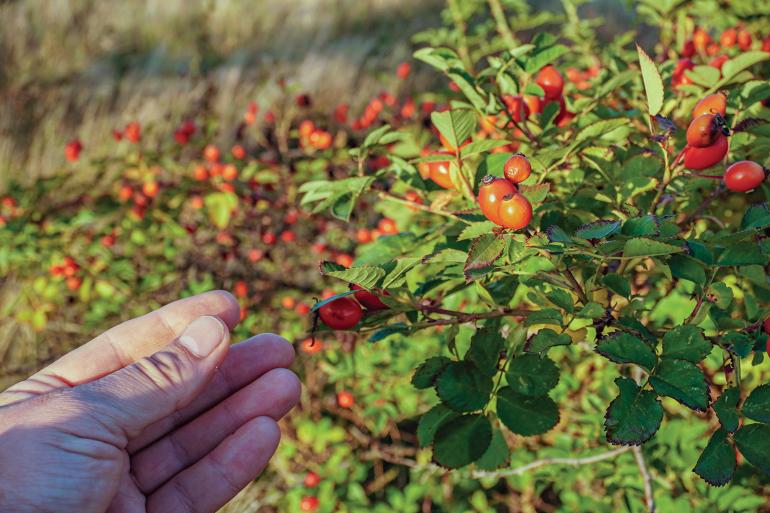
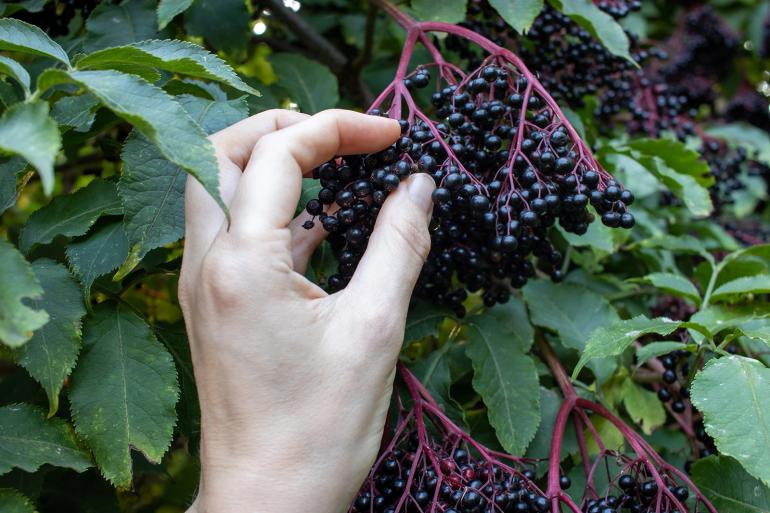
Raspberries, rose hips, and elderberries are also common finds. You’ve likely seen those same ingredients in teas or supplements, thanks to their numerous health benefits including immune support and anti-inflammatory properties. Buffaloberries and huckleberries also contribute to Montana’s impressively diverse wild-food landscape.
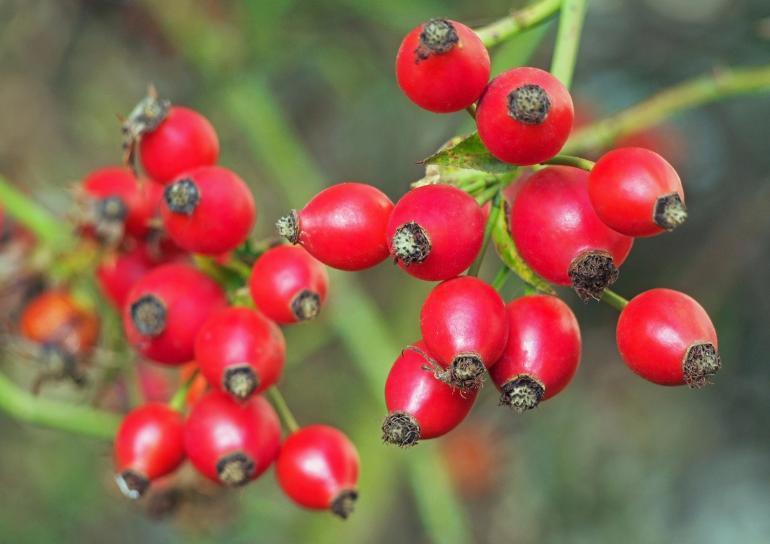
Rose hips
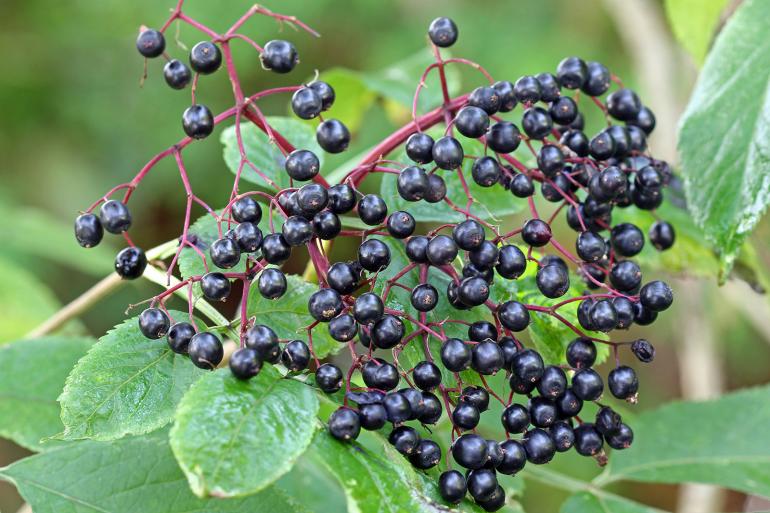
Elderberries
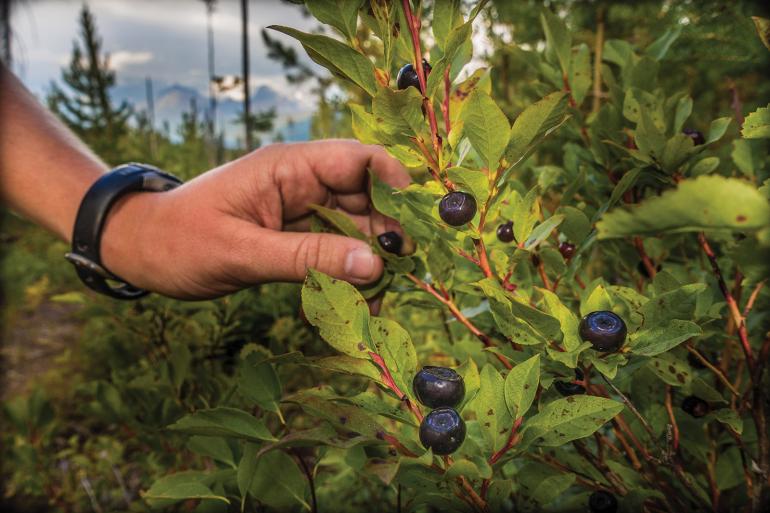
Huckleberries
One plant to avoid at all costs, Caiseal pointed out, is the baneberry—a toxic species with glossy berries and a distinctive dark tip. Also called “doll’s eyes,” these plants thrive in moist, shady areas and can cause severe symptoms if ingested by humans or pets. If you’re like me, the somewhat creepy nickname will remind you to stay clear.
Beyond fruits, Montana offers a variety of edible greens as well. Dandelion—often dismissed as a weed—is entirely edible, from root to flower. It’s incredibly nutrient-dense and has long been used to support liver function, kidney health, and digestion.
Chickweed and lamb’s quarters are also worth knowing about. Both taste somewhat like spinach and are rich in iron. Caiseal emphasized that they are “best harvested young, before they flower, and lightly steamed to preserve their nutrients.” Adding a bit of butter or olive oil and a pinch of salt can quickly turn these into a delicious and nutrient-dense dish—a detail that made my mouth water just thinking about the process.
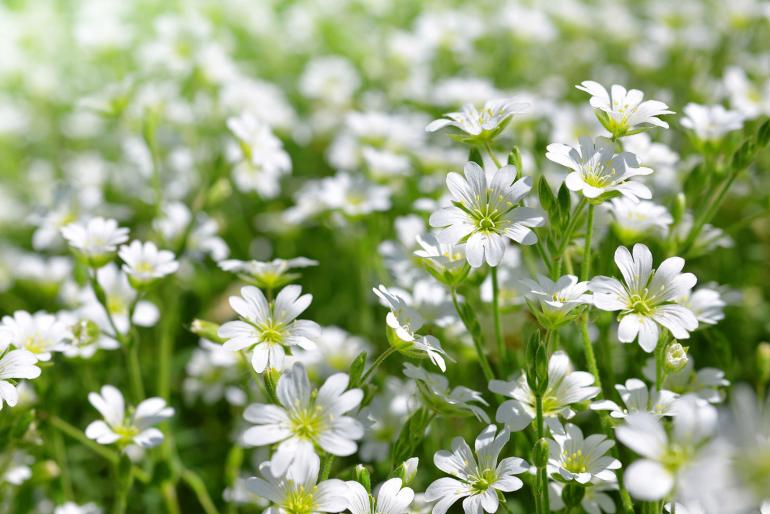
Chickweed
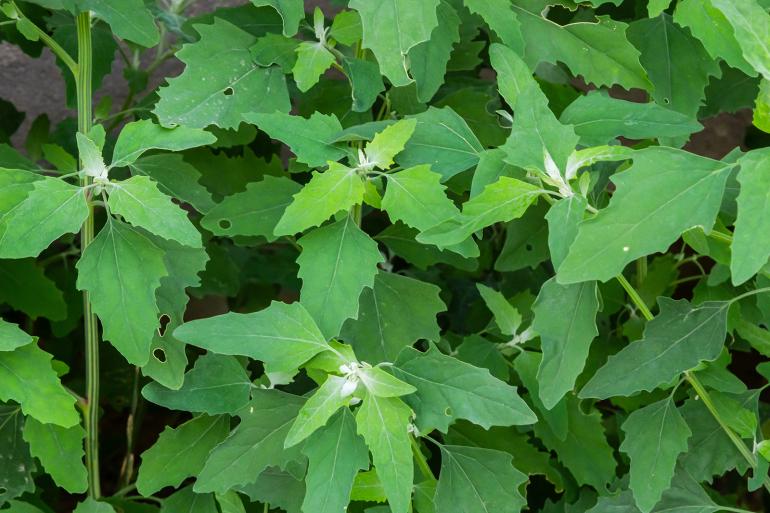
Lamb's quarters
And if you come across plants in the allium family—anything that smells like onion or garlic—you’re in luck, as those are edible, too. Wild ramps, for example, are considered a delicacy and are best found early in damp areas or hillsides.
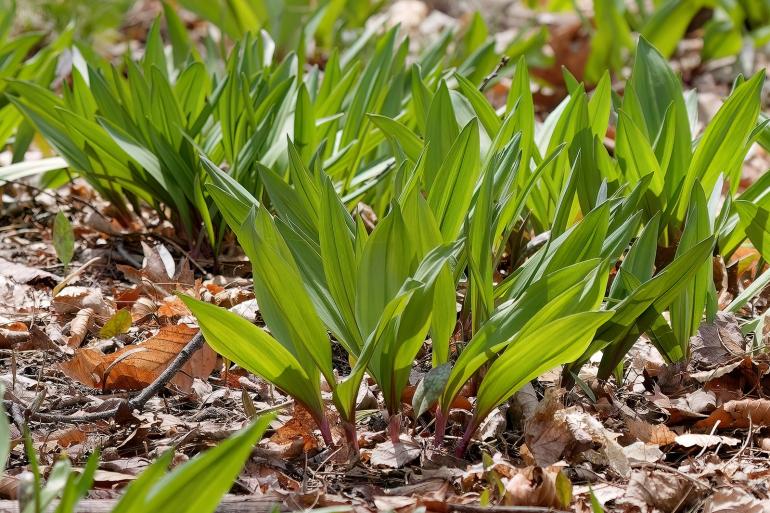
Ramps
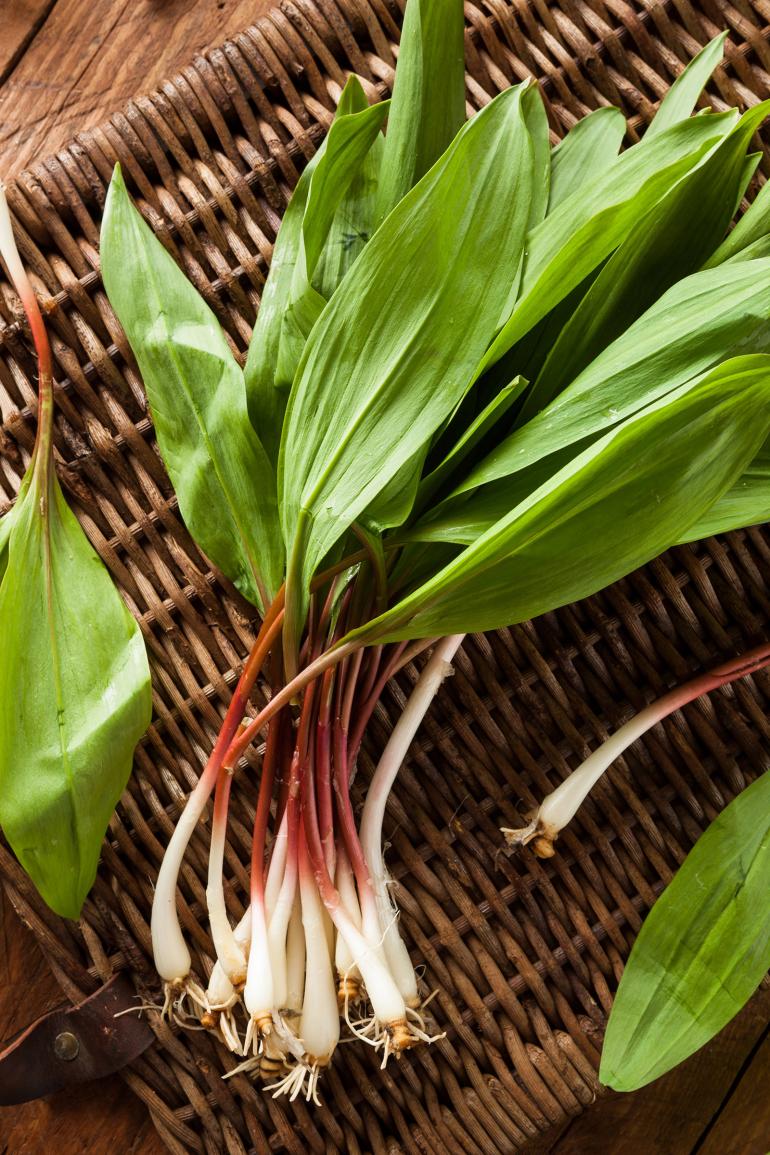
Ramps
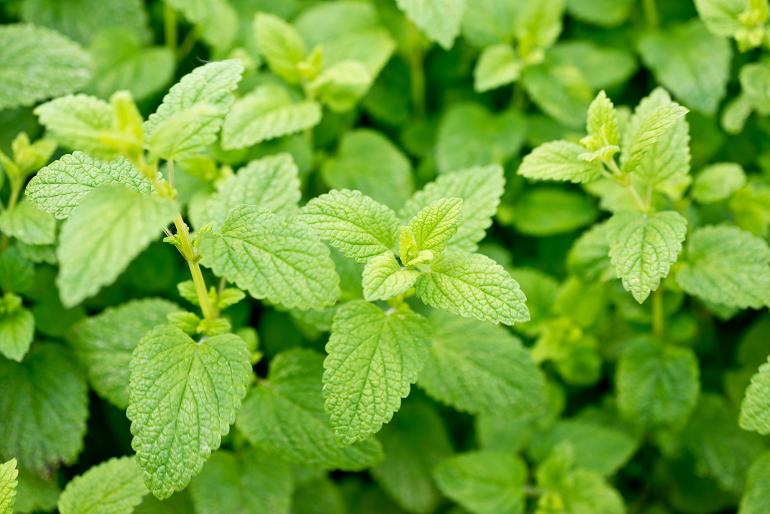
For those less interested in foraging and more drawn to growing their own food, Caiseal said that building a Montana-friendly “food forest” is a great option. It’s important to plant a variety of species together to create a system that’s both productive and resilient. Ground covers like wild strawberries, oregano, and thyme help retain moisture and keep weeds down. Grapes can be trained along trellises or fences to make use of vertical space. And herbs such as mint, lemon balm, and chives are easy to grow here—though mint tends to take over if you’re not careful.
When it comes to fruiting plants, a few standouts grow especially well in our climate. Honeyberry (Lonicera caerulea) is a cold-hardy, reliable producer. But Caiseal has a favorite: “If I could only plant one thing, it would be Nanking cherry.” These small fruits are incredibly sweet—arguably the sweetest cherries you can grow here—and lend themselves well to preserving. One simple method is to cook them down, mash them with water, strain the mixture through cheesecloth, and freeze the liquid in glass jars (leaving a little room for expansion). The result is something like a homemade juice or tonic you can enjoy through the winter.
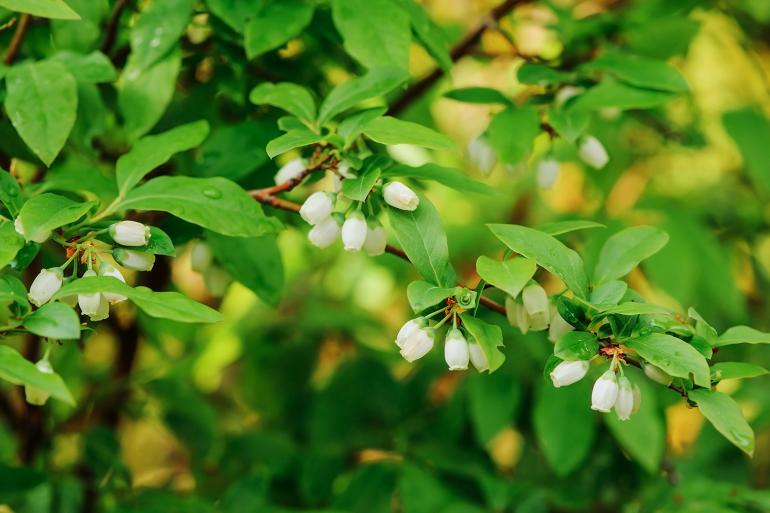
Honeyberry
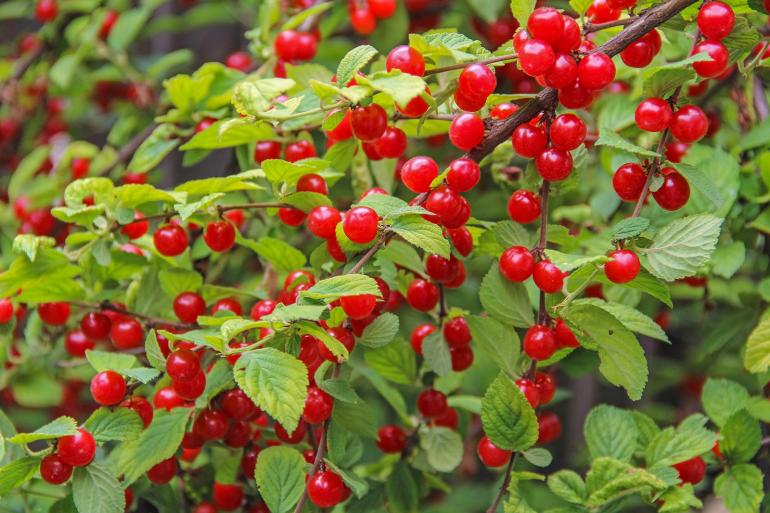
Nanking cherry
By the end of our conversation, it seemed that we had only scratched the surface. But after everything I’d learned, Caiseal circled back to the same instinct and rule of thumb I started with: “If you’re not absolutely certain what a plant is, don’t eat it.”
Nutrition and tastiness aside, Montana’s edible plants offer us a way to turn off our screens and forge a deeper connection with the landscape. Whether it’s spotting chokecherries along a hillside trail, tending herbs in your backyard, or cooking a delicious homegrown meal, the opportunity is there. It just requires a bit of knowledge, attention, and respect. But your mind, body, and soul will likely thank you for it.
Hillside Nursery is a family-run retail nursery in Bozeman, open from April through October. Caiseal and her staff are a great local resource for native plants and regionally-suited edibles.