Holding Your Own


A local PT's thoughts on regaining bladder control.
Are you the friend who has to run into the lodge to pee every other ski run? Maybe holding up the road-trip progress with frequent gas-station stops? Or, noticing a little leakage when running, weightlifting, or simply lifting up your kid? Urinary urgency, stress and urge incontinence, and other various bladder dysfunctions, although very common, are often shrugged off or never fully dealt with. If you find yourself accepting you have a “small bladder” or commiserating with local mom groups about a little bit of leakage when you laugh or jump, understand that these issues do not have to be your norm. The stigma and acceptance regarding bladder dysfunction are luckily changing, with the ever-growing awareness of pelvic-health physical therapy.
If you’re looking for somewhere easy to make changes, simple dietary changes may be a good place to start. Coffee, alcohol, carbonated beverages, and fruit juices are common bladder irritants.
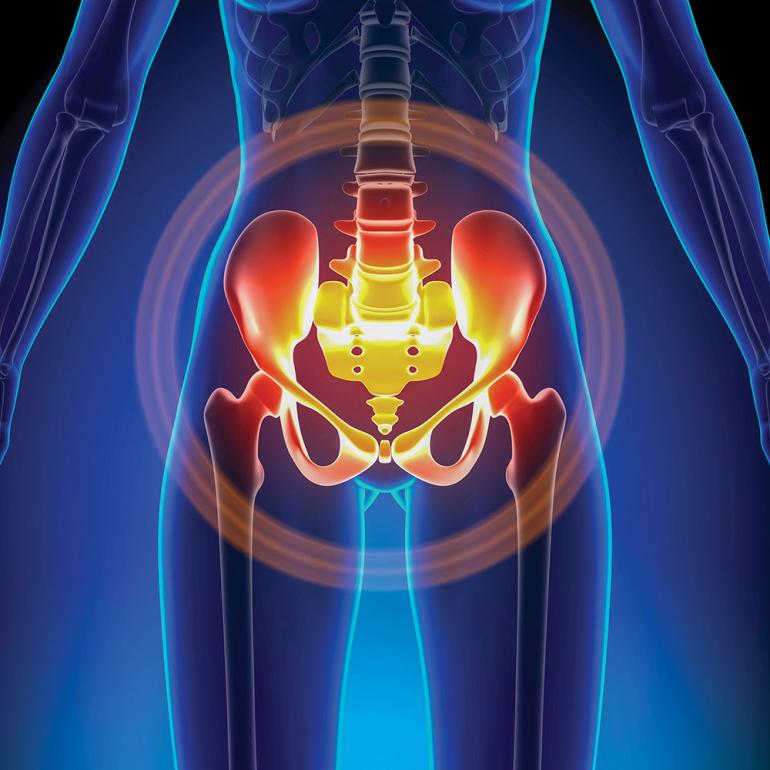
Issues related to bladder dysfunction can stem from a multitude of factors, likely linked to the function, or lack thereof, of the pelvic-floor muscles. These are a group of muscles that act as a sling within your pelvis that drive urinary and bowel function, support internal organs, and aid in sexual function. The hip, glute, and abdominal musculature are equally important neighbors to help support the function of the trunk and pelvis as a whole. Additionally, tying in the breath and function of the diaphragm can ensure that you are controlling intra-abdominal pressure successfully—a key component in addressing the entire system.
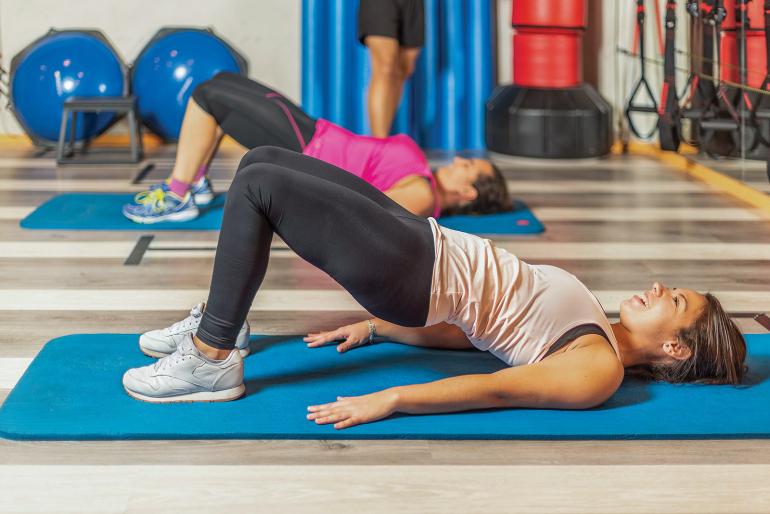
The utilization of pelvic-health physical therapy for urinary dysfunction issues is highly successful. A trained professional can determine if your pelvic-floor musculature needs strengthening, lengthening, or improved coordination, or if it requires specific techniques to address painful muscle tension. Additionally, education surrounding stress management, urge-suppression techniques, and dietary habits can greatly improve symptoms. If you’re looking for somewhere easy to make changes, simple dietary changes may be a good place to start. Coffee, alcohol, carbonated beverages, and fruit juices are common bladder irritants, and decreasing consumption may help to play a role in symptom management.
Having issues in other areas? Physical therapy can also address pelvic pain, bowel dysfunction, sexual dysfunction, and concerns during pregnancy or postpartum.
Kylie Metzger, DPT, is an orthopedic-residency-trained, board-certified orthopedic clinical specialist at Excel Physical Therapy in Bozeman. Kylie specializes in women’s pelvic health, working with patients to address issues while helping them get back to daily life and the activities they love. When not in the clinic, she enjoys fly fishing, mountain biking, skiing, and hiking with her pup Olive.