
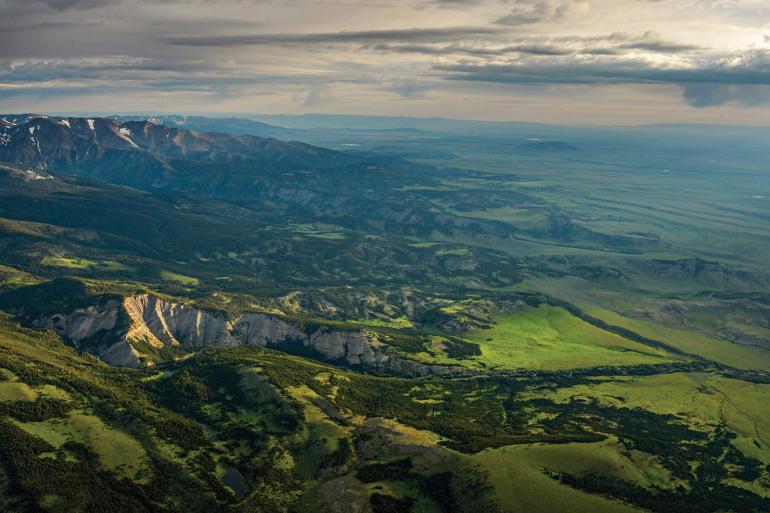
East Crazies: beautiful but inaccessible
Unscrupulous privatizers are taking over our state—one trail, one mountain range, and one land-swap at a time. We need to stop them, before there’s nothing left for the rest of us.
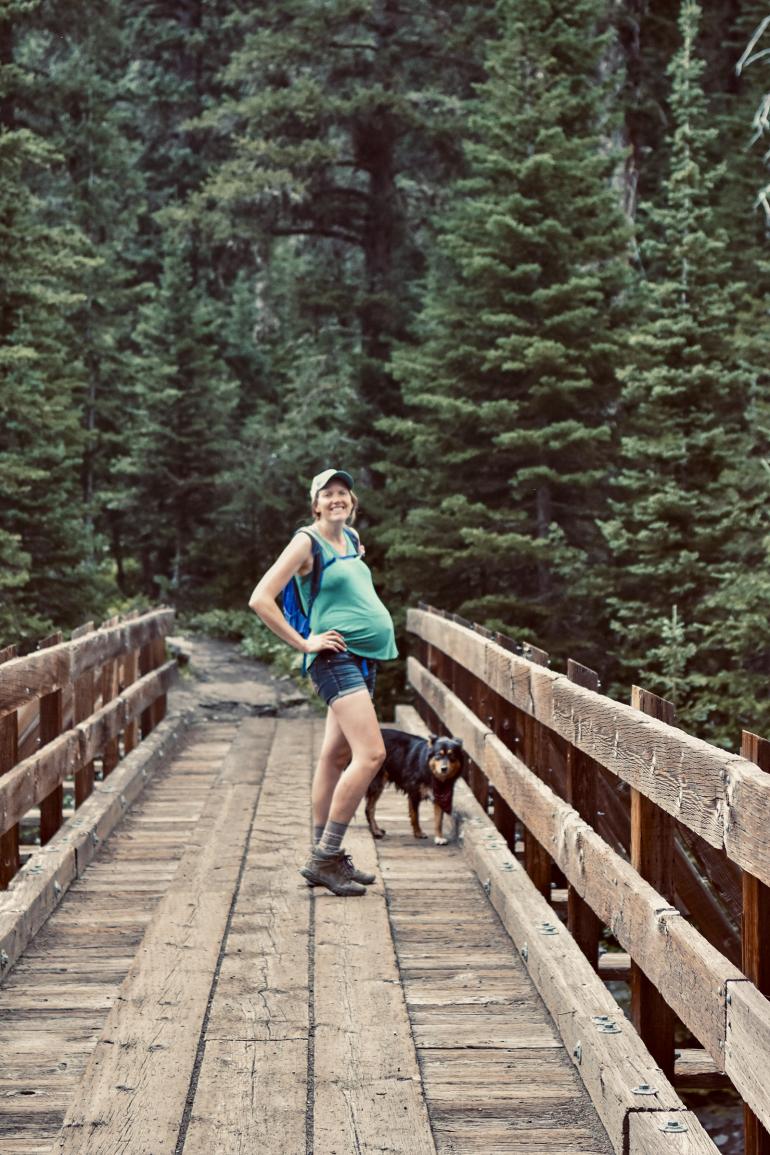
There’s a photo of my wife that I love. She’s standing on a bridge in the Crazy Mountains, about two miles up the Big Timber Creek trail. She’s seven months pregnant with our twin boys and is wearing a fantastic grin. We make the pilgrimage to that bridge every summer, and she always rocks the same teal shirt.
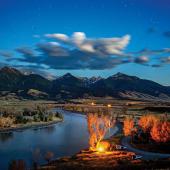
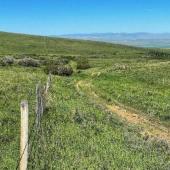
To get to the bridge, we must first drive the long, dusty Big Timber Canyon road to the Half-Moon Campground. Not that it’s a chore—the scenery is spectacular, with wide-open fields, rolling hills, and in the distance, jagged peaks clawing at the sky. This year, it’s 8pm by the time we hit the gravel, and I’m grateful that we’re getting out of the Bozeman grind for the weekend. The boys have starting sleeping and my mind drifts to a historic lawsuit I read about earlier in the day. In 1948, the United States of America filed suit against a landowner named Van Cleve, preventing him from locking up the road we’re driving on. It reminds me of how the federal government used to stand up to private-property owners who tried to shortchange the public.
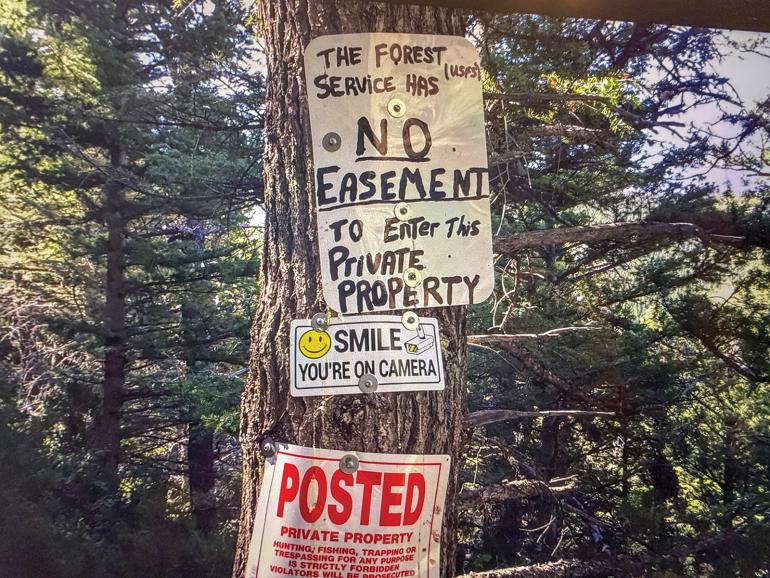
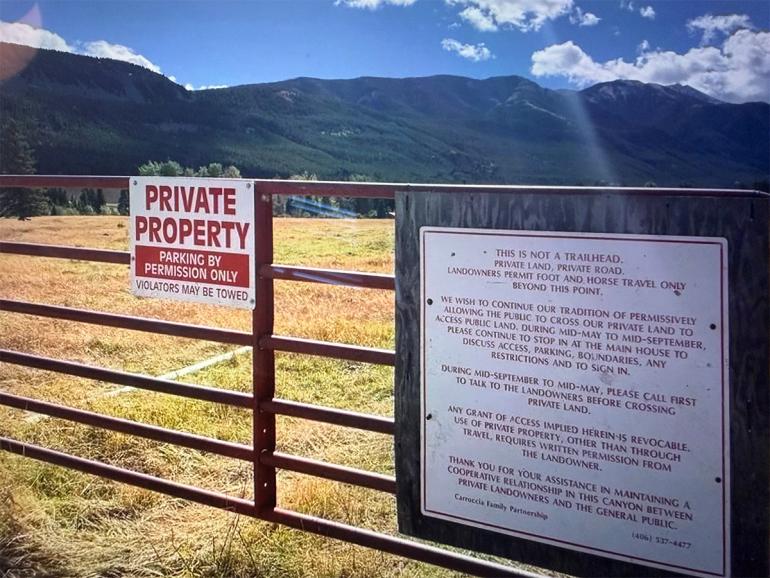
After the court ordered Van Cleve to unlock the gate across Big Timber Canyon road, he bought a ranch in the Sweet Grass drainage about ten miles to the north and sold it to his granddaughter Shelly Carroccia. In 1973, the Carroccias provided the Forest Service with an easement that allowed the public to travel on the Big Timber Creek trail, the Sweet Grass Creek Trail, and the East Trunk Trail that connects the two canyons. Fast forward to 2001, and the Carroccias had flipped the script: they were now requiring the public to sign in to their private register before using the Sweet Grass and East Trunk trails. For 20 years, the Forest Service insisted the public should not be required to sign in, but the agency never took any legal action.
The questionable land-swap
Private Plunder
This idea of taking land away from people—through restrictions, blockage, or outright theft—is nothing new. The U.S. government took the Crazy Mountains from the Crow Indians before Van Cleve and the Carroccias arrived. After that, and in the interests of “progress,” the feds offered the railroad companies alternating 640-acre sections of land in exchange for building a railroad to fuel westward expansion. The reasoning behind this program was that the railroad companies could harvest timber from those lands for railroad ties and other necessary infrastructure. Once the tracks were laid, the iron horses carried the supplies used by homesteaders to settle the West. Today, that historic checkboard pattern of private and federal land can be seen when looking at a map of the Crazies.
Ultimately, the railroads sold off their gifted land, mostly to timber companies, many of whom eventually re-sold it to ranchers and other private parties. Stories abound of the new landowners preventing the public from accessing that land—an unintended consequence the federal government, and the general voting public, never anticipated.
This idea of taking land away from people—through restrictions, blockage, or outright theft—is nothing new.
Regardless of the original intent, “landlocked” public parcels—those surrounded completely by private land, disconnected from other public parcels—are almost universally regarded as off-limits without permission. However, crossing at public corners was never much in question until trophy elk hunts became popular—and profitable. Since then, the war over whether the public can cross those checkerboard corners has been raging, with mixed results. It’s a battlefield marred by dirty, and often cowardly, tactics.
Righteous Resistance
A few years back, a group of hunters captured national attention when they placed a ladder over a fenced corner in order to access checkerboarded public land in Wyoming. The wealthy landowner used his influence to have the hunters cited for criminal tresspass; however, the hunters were acquitted by a jury. The same day as the acquittal, the landowner sued the hunters for civil trespass, seeking $9 million in damages.
The now-famous “Iron Bar” case is named for the holding company that owns Elk Mountain Ranch, which surrounds the public land in question. Iron Bar lost the case in Wyoming federal district court, and the landowner appealed to the Tenth Circuit Court of Appeals, whose jurisdiction includes Wyoming, Colorado, Utah, New Mexico, Kansas, and Oklahoma. The Tenth Circuit Court affirmed the lower court’s decision. The landowner then asked the U.S. Supreme Court to review the case, but the Court denied his petition.
The foundation of the defense was that private landowners could not exclude the public from accessing public land. Citing the Unlawful Inclosures Act of 1885, the hunters successfully argued that they had a right to access public land, and the private landowner had no right to stop them. (It seems that the courts—some of them, at least —can still be counted on to stick up for the people.)
In its decision, the Tenth Circuit made the landowner sound like a jerk. The Elk Mountain Ranch had deliberately constructed barriers to prevent the public from crossing the corner, even though there were no other posts, fencing, or buildings within a quarter-mile. It was impossible for the hunters to walk directly across the corner, and they could not go underneath the chains. The ranch manager would confront “suspected trespassers” found on public land behind the corner and instruct them to leave. If a hunter resisted, the ranch would contact law enforcement about the “trespass” and push officers to issue citations. Hunters reported that ranch hands drove motorized vehicles on the public land to scare the game and ruin the hunts. When the four hunters used a specially designed ladder to surmount the corner obstacle, the ranch manager called the authorities. But neither the Wyoming Game & Fish Department nor the local sheriff’s office agreed to cite the hunters for trespass. That’s when Iron Bar pressed the local prosecutor’s office to file criminal charges.
Access Appropriation
Montana is not located in the Tenth Circuit, and the Supreme Court’s decision not to review the Iron Bar case has put the status of corner crossing on federal land in Montana in question. To the people of Montana, it’s an obvious non-issue, supported now by case law: corner-crossing is not only fair, it’s legal access, and blocking access is not only unfair, it’s illegal enclosure of public land. But both the head of Montana Fish, Wildlife & Parks and our lieutenant governor have stated the opposite—that corner crossing is illegal. The state government has also routinely sided with private landowners who close roads, block access, and monopolize landlocked public land for their own exclusive use. So if the public is going to secure a court decision that restores our right to access our land, at corners or through easements, we need good facts. Enter Alex Sienkiewicz.
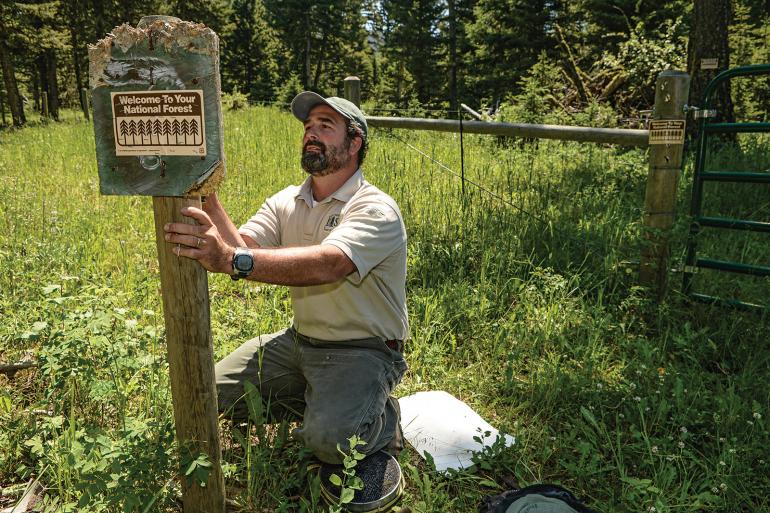
Alex is a typical Montanan in many ways. He likes to fish and hunt and is a strong supporter of public access to federal land. What makes him unique is his willingness to fight for the public good, even when it comes at great personal and professional cost. As the district ranger for the Yellowstone Ranger District, which includes the Crazy Mountains, Alex brought volunteers to maintain the Sweet Grass and East Trunk trails. On the Sweet Grass road, he fought like hell to keep the road open. Easements can be negated when users sign a private register—it creates a record of permission being required, which undermines the public easement. Alex consistently told people not to sign in to the Carroccia’s register, because the opposite is also true: if the easement is used freely, without permission, it establishes a record of “prescriptive use” and bolsters the strength of the public easement.
The government made Alex's life so miserable that he eventually left the Forest Service. The force inside the government actually fighting for the people had been forced out.
Forest Service employees weren’t the only ones saying that the Sweet Grass access road was public. The Ward & Parker Ranch, a private parcel farther up the road, told the Forest Service in 2001 that the road was public and that private individuals shouldn’t be blocking it. Correspondence between Ward & Parker and the Forest Service in the 1930s and ’40s show the road was publicly maintained. There was a public school up the Sweet Grass road until the ’30s. Minutes from a 1987 Sweet Grass County Commission meeting state the “Road Foreman” had prioritized it as a “county road” in need of repair.
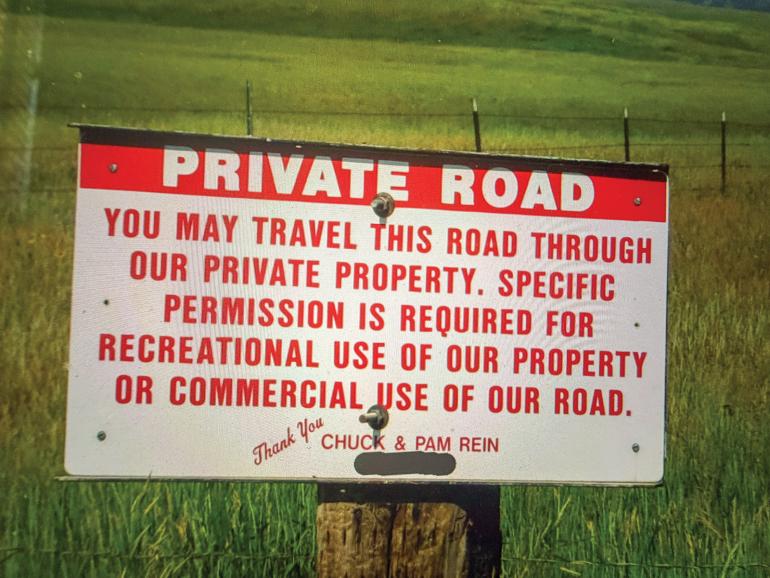
But none of this swayed the landowners, including the Rein Anchor Ranch, which straddles the Sweet Grass road and after whom the road is officially named (Rein Lane). Although Rein Anchor does not require signing in, it does post signs maintaining that the road is private. Eventually things came to a head, and Alex, a few of his colleagues, and the Forest Supervisor, Mary Erickson, met with Chuck Rein at the Sweet Grass trailhead to talk about access. During that meeting, Erickson signed into the Carroccia’s register, thereby compromising the Forest Service’s—and the public’s—position. U.S. Secretary of Agriculture Sonny Purdue and U.S. Senator Steve Daines got involved. Alex was removed from his job, investigated three times, and later reinstated. But the government made his life so miserable that he eventually left the Forest Service. The force inside the government actually fighting for the people had been forced out.
Alex Sienkiewicz
Ongoing Encroachments
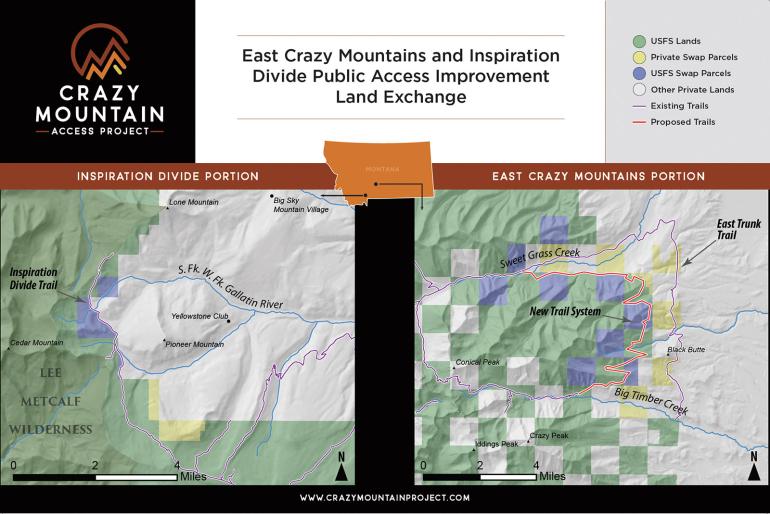
In 2025, the Forest Service made a decision to exchange some of its checkerboarded public land for private land in the Crazies, ostensibly to address access issues. Ultimately, the public gave up forested foothills that hold deer, elk, and other wildlife, in exchange for several sections of high-alpine terrain. Not only did the public lose good hunting and hiking land, but also access to Sweet Grass Canyon. What we gained was rocks and ice, miles from the nearest trailhead.
My nonprofit law firm, Cottonwood Environmental Law Center, opposed the land exchange because the agency never considered it could reroute the disputed trails across public corners. The Forest Service’s environmental assessment did not resolve the legality of corner crossing, even though the stated purpose of the exchange was to “address historically complicated management of checkerboard ownership patterns.” Instead, the Forest Service punted on the issue, saying that state law governed corner crossing. Only after the land exchange was finalized did the Tenth Circuit rule against Iron Bar, establishing that the public has a right to cross corners to access federal lands, regardless of state law.
The East Crazy Mountains & Inspiration Divide Land Exchange, as it’s officially known, also involved the Yellowstone Club and Crazy Mountain Ranch. Both luxury resort properties have the same parent company and developer: CrossHarbor Capital Partners and Lone Mountain Land Company. The Yellowstone Club’s interest lay in acquiring land in the Madison Range, presumably for additional skiing opportunities, while the Crazy Mountain Ranch—previously known as the Marlboro Ranch when it was owned by Philip Morris—offered up a section of high-elevation land, that includes Smeller Lake, in order to sweeten the deal.
They already have thousands of acres, they’ve already restricted or blocked access to thousands more, but it’s not enough. And that’s the problem: it’s never enough. They won’t stop.
Lone Mountain Land Co. has a history of running roughshod over others. Crazy Mountain Ranch violated Montana water law by irrigating its golf course without proper authorization. The Yellowstone Club allowed 30 million gallons of its treated sewage to be flushed into the Gallatin River. It also used its influence to have me and another Cottonwood employee arrested for criminal trespass, after said employee collected water samples from discharge flowing into a tributary of the Gallatin River—which we accessed legally by hiking into the Club below the high-water mark. A former president of the Montana Bar represented my colleague, who ultimately accepted a plea agreement to avoid risking a criminal record that could compromise his acceptance into law school. Cottonwood hired a private criminal-defense firm in Bozeman to represent me. The court dismissed the charges, with prejudice—meaning the case was thrown out for good.
A former Yellowstone Club employee contacted me and later gave an interview to the Mountain Gazette about how the Club is over-irrigating its property with treated sewage and that this fouled water is leaking into the streams, which ultimately feed the Gallatin River. That same employee, who started his own landscaping company in Big Sky, later decided he didn’t want to be a part of a Clean Water Act lawsuit against the Club because they “have control over the town and when I left them initially they threatened to make my life harder than it has to be as a new business owner in a small town.”
Feudal Friendship
The fact that the large property owners up the Big Timber and Sweet Grass drainages teamed up with the Yellowstone Club for the Crazies land exchange is no coincidence. They’re on the same side—the landowning haves—and together, they’re working against us, the landless have-nots, to block more access and acquire more property for their own exclusive use. They already have thousands of acres, they’ve already restricted or blocked access to thousands more, but it’s not enough. And that’s the problem: it’s never enough. They won’t stop. They can’t stop. So it’s up to us to stop them. The time is now. Let the revolution begin.
John Meyer is the Executive Director of Cottonwood Environmental Law Center. Cottonwood is part of a global grassroots campaign to stop environmental terrorism at home and abroad. Learn more at globalgrassroots.earth.