Avoid the Trap
Avoid the Trap.
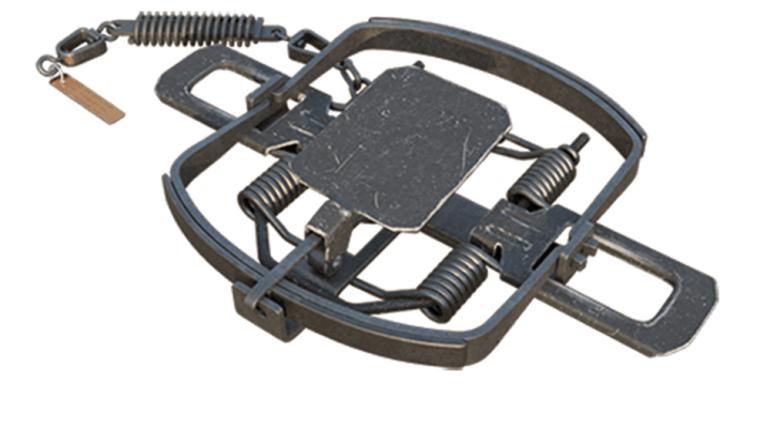
Love it or hate it, trap season is upon us here in Montana and for some species, it lasts through spring. It’s important to recognize where traps are placed and how to keep your dog out of them. Traps come in a variety of types, including snares, Conibear traps, foothold traps, and live traps.
To avoid a trap, you need to know where legal traps may be placed. I emphasize legal traps because, throughout my career, most of the dogs I have seen caught in traps were in prohibited spots or on private property where the landowner forgot to disclose them.
If someone is trying to trap coyotes, foxes, or other predators, fencelines, country roads, and frequently used game trails are popular spots (go where the animals are). You’ll usually find foothold traps or live traps in these places. Snare traps (neck-hold traps) are more often placed where an animal will try to sneak through brushy trails, paths along riverbeds, or den-friendly areas. Conibear traps tend to be placed around ponds, streams, and lakes, where they’re used to trap beavers, muskrats, and other water animals. The other part of this equation is knowing what animal sign to look for: fresh tracks, scat or, in the case of beavers, “slide” marks in the mud around dams or ponds.
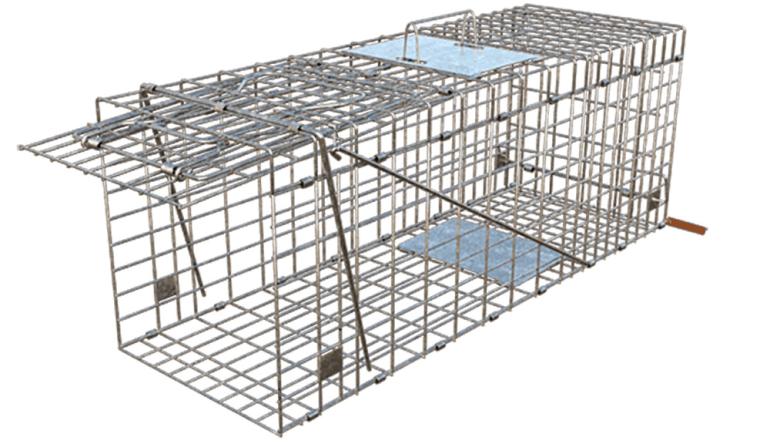
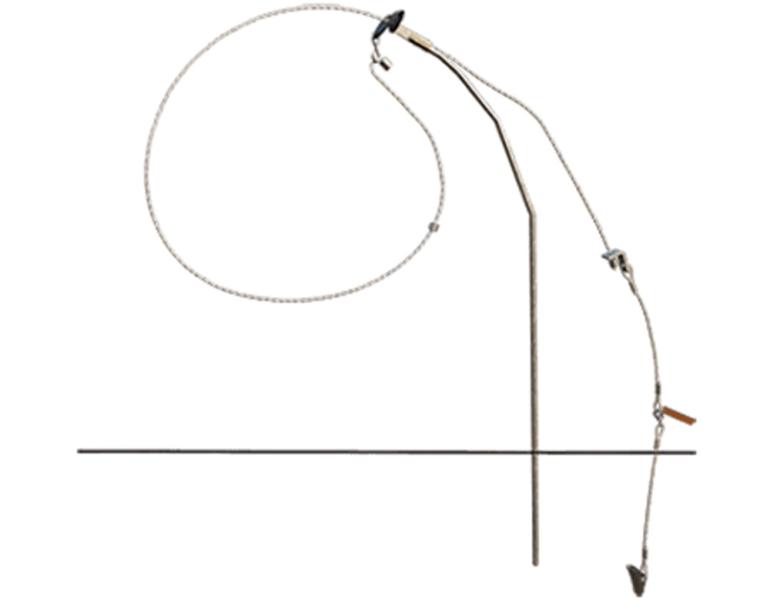
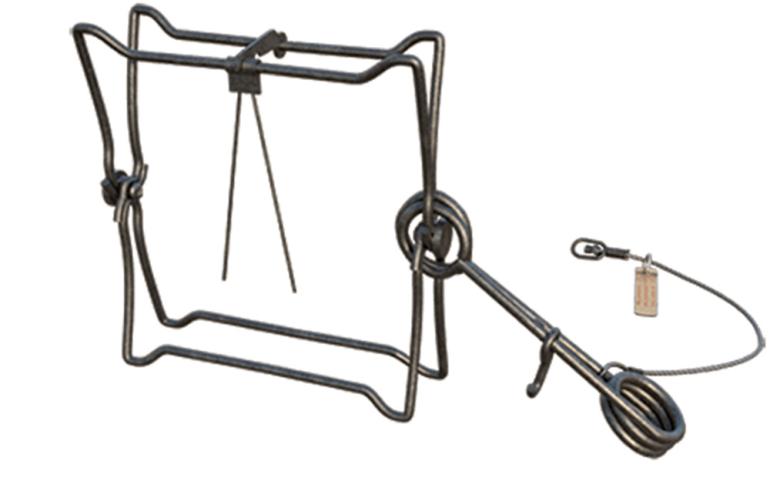
One of the best ways to avoid a trap is to know where your dog is at all times. Line of sight is great, but once in a while your dog may get a little curious and drop into a ravine or disappear into the woods. Try using a GPS tracking device or adding a bell to the collar.
If your dog gets caught in a trap, first and most important: stay calm (admittedly, easier said than done). Use a coat or sweatshirt to cover the dog’s head; this will hopefully prevent an unwanted bite as the dog may panic. If you’re educated in how to remove a trap, do so. If not, gather the trap and your dog and head to help immediately. If it’s a foothold trap, you have time, but if your dog is in a conibear or snare, time is not on your side. There are a variety of educational informational outlets including the internet for a brief orientation on how to remove an animal from a trap.
Remember that trapping is allowed on public lands, though certain high-traffic areas like the “M” in Bozeman—managed by the Custer-Gallatin National Forest—are designated trap-free zones to protect people and pets. Other trails and recreation facilities may have the same designation or setbacks of up to 1,000 feet. It is your responsibility to check regulations. If you think you found a trap that was illegally placed, do not remove it. Contact Montana Fish, Wildlife & Parks and let them handle it.
Ron Murray owns Montana Murray Kennels in Belgrade, which offers dog training and trap-avoidance seminars where you can handle traps and learn how to free your pet from them. Learn more at montanamurraykennels.com.