
A full fall experience.
Another year has gone by, and here we are again—it’s autumn in Bozeman. Take a moment, close your eyes, and think about what the season brings to mind. Is it the smell of woodsmoke drifting through the cold air, the glow of yellow cottonwoods along the river, or the eerie sound of rutting bull elk? Maybe it’s the thump of an axe splitting wood or the warmth of a familiar meal after a chilly day outside.
Fall is easy to recognize, but difficult to describe through only one sense. It’s not simply a change in color or temperature. We experience it through the combination of sights, smells, sounds, textures, and tastes that together make the season feel distinct from any other time of year.
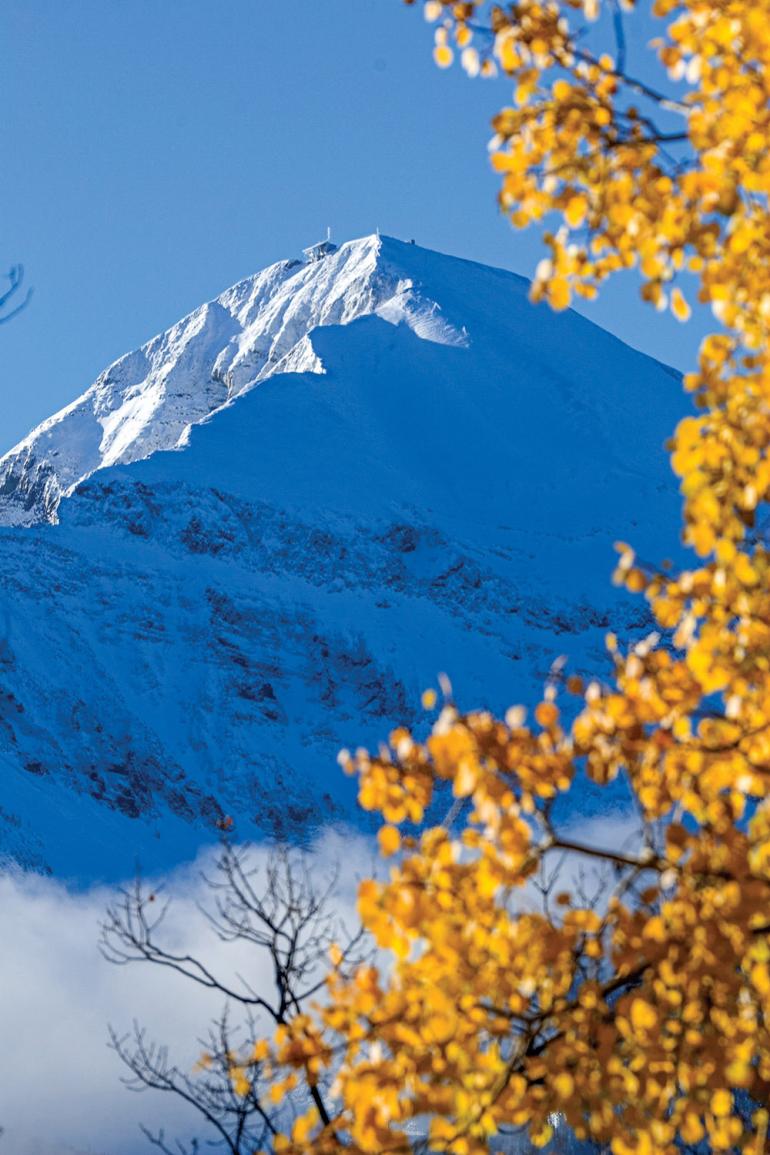
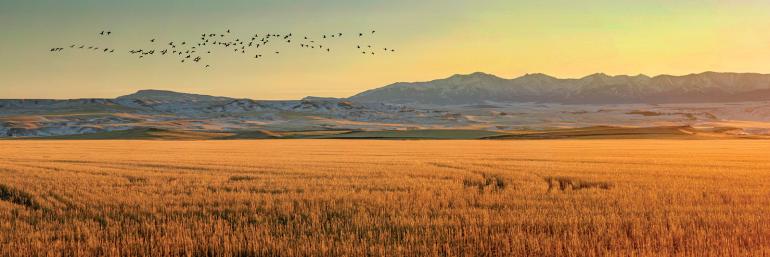
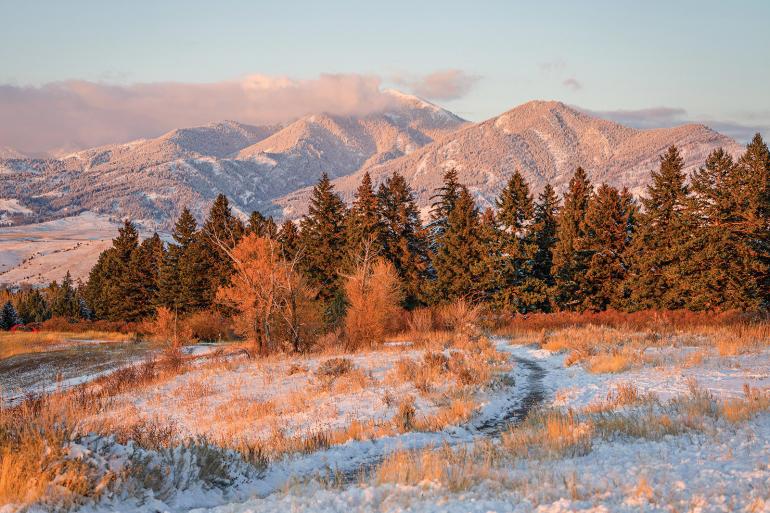
Sight is often the first sense that we associate with fall. Around Bozeman, green leaves fade into shades of yellow and orange, while the grass turns gold and the mountains begin collecting snow. The light also changes. As the sun sits lower in the sky, familiar trails, neighborhoods, and fields take on a softer appearance.
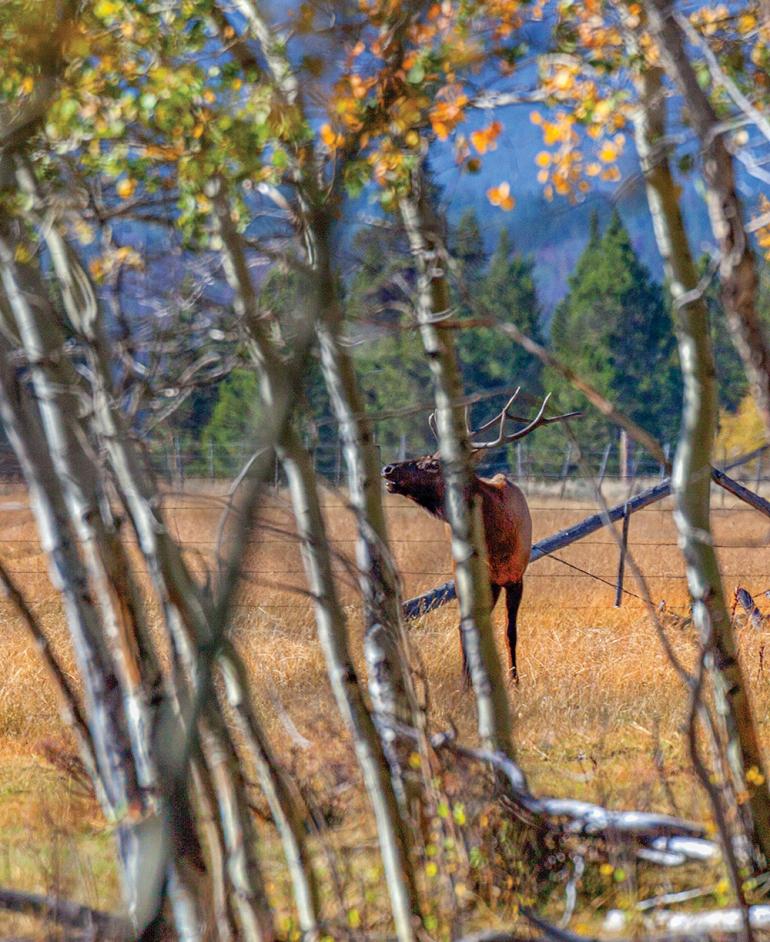
The wildlife offers its own visual signs. Migrating northern flickers flash their bright underwings as they move between trees, while waterfowl gather in groups before heading south. Leaves thin along the branches, opening views that have been hidden throughout the summer. The landscape may appear quieter, but it is filled with movement as animals prepare for the cold winter to come.
Fall also has a recognizable sound. The steady buzz of summer insects fades, leaving room for the rustle of dry leaves, the calls of geese overhead, and the wind moving through thinning branches. In the mountains, elk bugles echo through the crisp fall air. It is a sound that belongs so completely to the season that hearing it can erase any lingering remnants of summer in an instant.
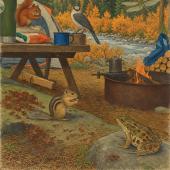
Other sounds are smaller but just as familiar: frost-covered grass crunching underfoot, rain tapping against a window, or logs shifting and popping in a fire. As the season grows quitter, these details can seem sharper and more noticeable.
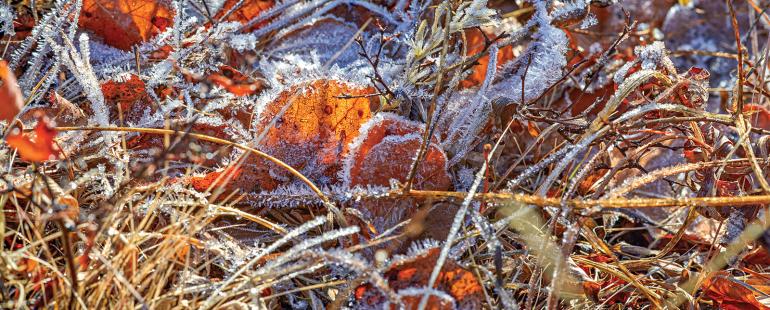
Touch may also provide the most immediate reminder that fall has begun. The first truly cold morning can sting the cheeks and fingertips. Grass becomes stiff with frost, handlebars turn cold, and the afternoon sun no longer carries the deep heat of summer. Autumn is often felt through contrasts: the chill of the shade against the warmth of the sun, cold air against a warm jacket, or the heat of a mug held between cold hands.
The sight of changing leaves, the sound of an elk bugle, the cold air against the skin, the taste of a warm meal, and the smell of cottonwoods all become markers of time and place.
Taste also changes with the season. Warm drinks, soups, baked goods, squash, apples, and other hearty foods begin to replace the lighter meals of summer. Some of this shift is tradition, but part of it is sensory. Warm foods feel more comforting when the air is cold, particularly after a morning spent hiking, fishing, hunting, or simply moving through the outdoors.
Taste, however, is closely connected to another sense: smell. Dr. Brennan Dodson of Bridger Ear, Nose & Throat explains, “Most of what we call flavor is actually smell. The tongue detects basic tastes like sweet, salty, sour, bitter, and savory, but smell provides the details that make foods distinct.” Without it, coffee, cinnamon, or a smoky meal would lose much of its character.
Smell does more than shape flavor; it also has a particularly strong relationship with memory and emotion. According to Dodson, scent reaches the areas of the brain connected to memory and feeling, more directly than the other senses. That helps explain why a familiar smell can bring back a person, place, or moment, before we’ve even identified the scent itself
Seasonal smells may be especially powerful because we encounter them for only a limited part of the year. Around Bozeman, the scent of cottonwoods, damp leaves, woodsmoke, cold soil, and dry grass can signal that fall has arrived. These smells can bring back not only the memory of a past season, but also how that time felt and who was part of it. For Dodson, the smell of cottonwoods is inseparable from hunting season—an example of how a scent can become closely tied to a particular place, activity, and time of year.
That connection is one reason why fall feels so nostalgic. Individual senses carry part of the season, but together they create something larger. The sight of changing leaves, the sound of an elk bugle, the cold air against the skin, the taste of a warm meal, and the smell of cottonwoods all become markers of time and place.
Fall in Bozeman is brief, but its sensory details can remain long after the leaves have dropped and the snow has arrived. We do not simply watch the season change. We see it, hear it, taste it, feel it, and smell it—and through those senses, we remember it.