From Trails to Tracks
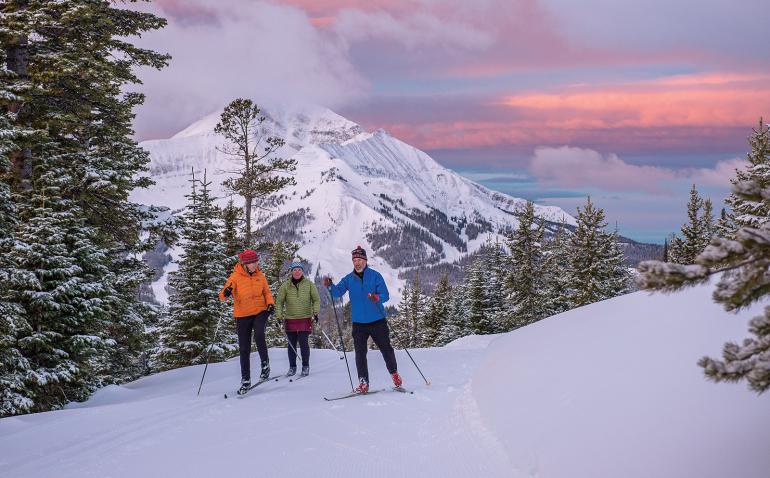
Safe preparation for winter exercise.
Bozeman athletes thrive on outdoor excursions year-round. And sure, you might have crushed it at the Butte 100 or raced your heart out at the Rut, but don’t think that makes you invincible heading into the cross-country ski season. Even if you do CrossFit twice a week and sneak in a yoga class here & there (but, you know, don’t tell anybody), the transition to skiing still brings its own set of challenges. Making this transition smoothly ensures we stay injury-free while embracing the season’s new demands.
Building a Foundation
Transitioning to cross-country skiing requires maintaining your warm-weather endurance base. Activities like mountain biking, hiking, and trail running contribute well to this, but now it’s about adjusting to the sustained aerobic demands and muscular endurance unique to skiing. To avoid a drop in your chronic loading, it’s important to continue with sustained hiking, biking, or any running you’ve had in place before ramping up skiing activities too quickly. This ensures a smoother transition and helps prevent overuse injuries while preparing your body for the unique challenges of cross-country skiing.
Skiing brings new movements and demands for your muscles. To get your body ready, focus on enhancing flexibility and strength in key areas. Work on hip extension, ankle dorsiflexion, and shoulder mobility to keep your range of motion fluid and effective. For strength, add exercises like single-leg Romanian deadlifts, lateral lunges, and split-squats to build the power and stability needed for skiing. These exercises will help you feel strong and balanced as you glide through the snow.
Preparing the Body
Introduce cross-training methods such as roller skiing, ski ergometers, and plyometric exercises. These methods can help ease the transition from dryland sports and prime the muscles for skiing’s unique motions. Consider ski-conditioning courses offered by local gyms, which are designed to prepare athletes specifically for skiing’s demands.
Skiing requires excellent balance and core stability. Incorporating exercises that focus on these areas, such as using the MOBO board to develop single-leg stability, the BOSU ball for overall balance, and dynamic planks for core strength, will improve overall skiing performance and reduce injury risk.
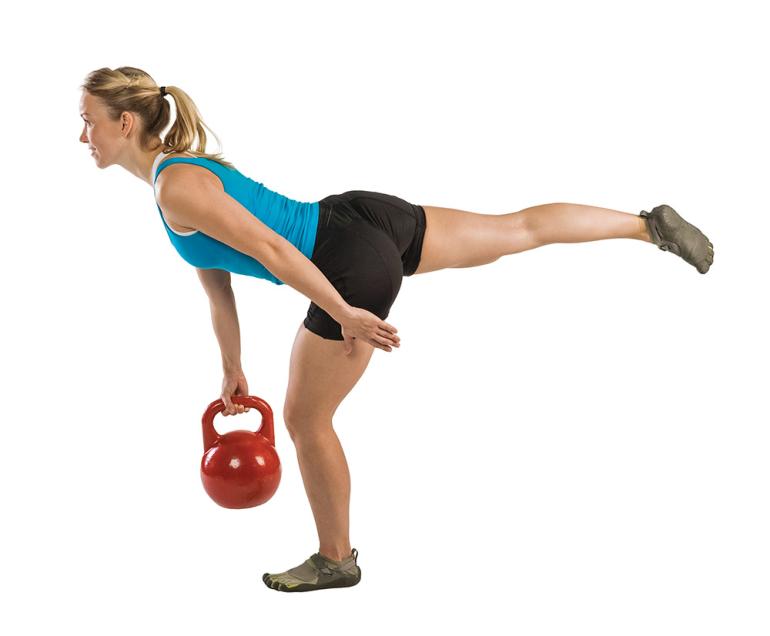
One-Leg Deadlift
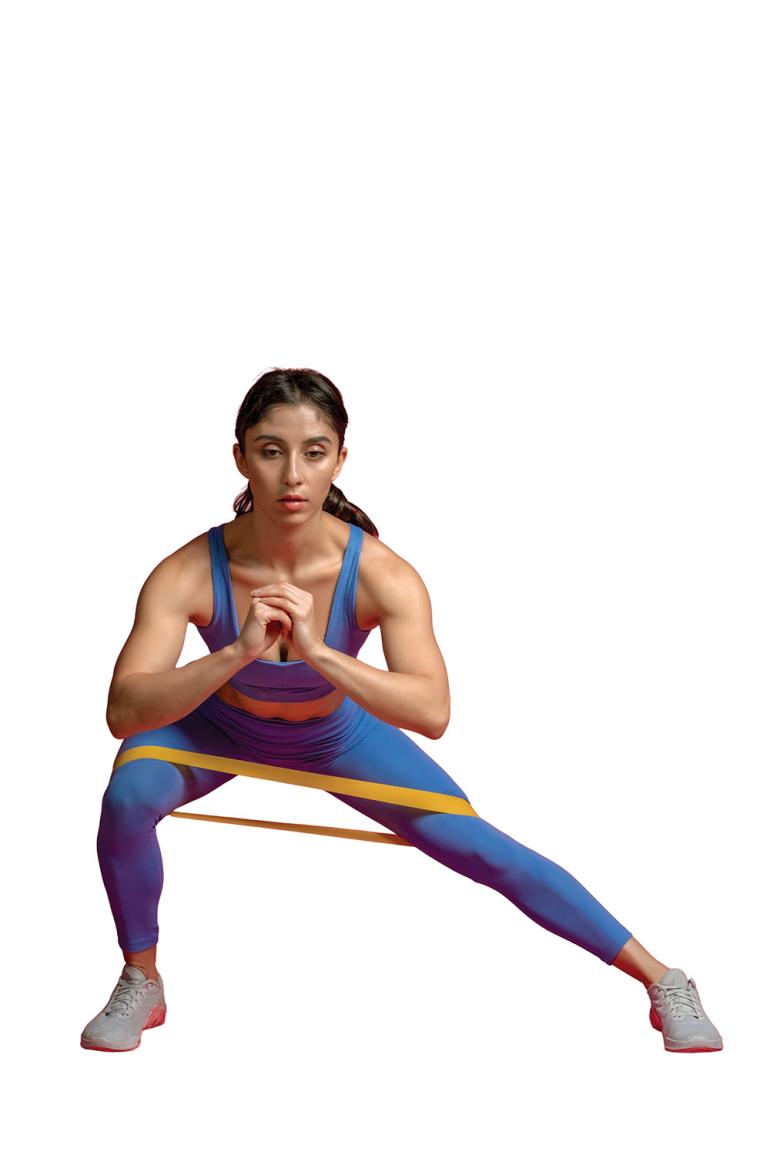
Lateral Lunge
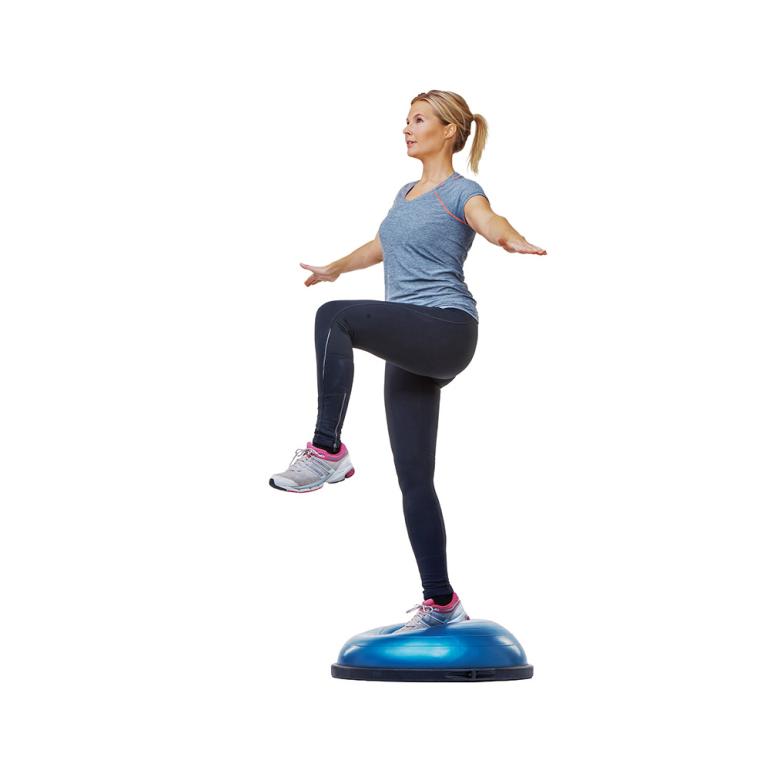
Bosu Ball One-Leg Stability
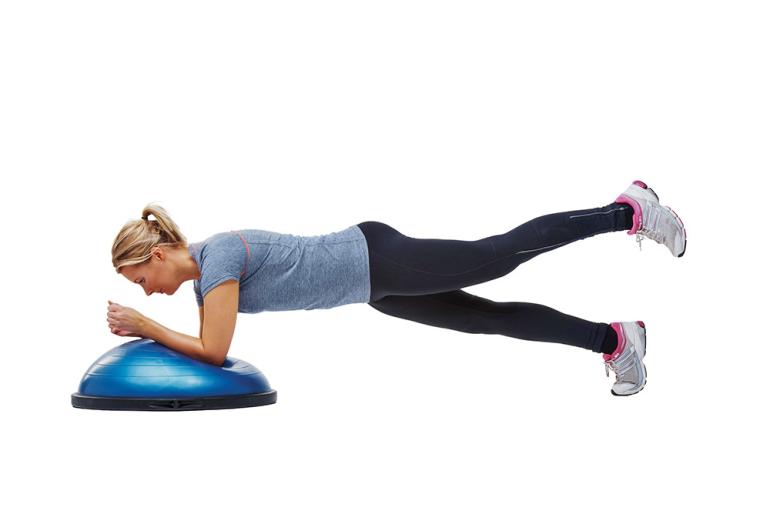
Bosu Ball Plank
Injury Prevention
Many athletes experience overuse injuries like knee pain, hip pain, and back pain during the transition to skiing. Ensuring you are addressing the critical physical elements needed for cross-country skiing will provide a high-quality recipe for success and help you avoid these common issues.
Building up skiing loads gradually and transitioning slowly is one of the most crucial elements for injury prevention. Avoid the temptation to dive straight into long or overly intense ski sessions.
Your body may need more attention during the transition. Focus on recovery strategies such as foam rolling, stretching, and adequate rest between training sessions. You might even need a complete break after the high-intensity efforts of summer and fall, but don’t forget about these recovery strategies as you ease back into winter activities.
Attitude Adjustment
Moving from fast-paced warm-weather sports to the slower, more methodical pace of cross-country skiing requires a mental shift. Winters in southwest Montana can be long and challenging, but they also offer a unique opportunity for mental rejuvenation. Embracing the tranquility of winter and focusing on the experience of being outside can be incredibly beneficial for your mental health. Rather than concentrating on how far or how fast you’re skiing, take the time to enjoy the serene landscapes and the meditative nature of skiing. This approach not only enhances your well-being but also helps you maintain a healthy, balanced mindset throughout the season.
As Bozeman transitions into winter, so too should our athletic pursuits. Cross-country skiing offers an excellent way to stay fit, embrace the outdoors, and discover the beauty of Montana’s snow-covered landscapes. By preparing both body and mind for the shift, athletes can enjoy a seamless and fulfilling transition into the ski season. And if you find yourself getting sidetracked by injury or illness and struggling to get onto the tracks like you want, don’t write off the season. Instead, reach out to your local physical therapist for support and guidance.
Dr. AJ Sobrilsky is a physical therapist at Excel Physical Therapy in Bozeman.